
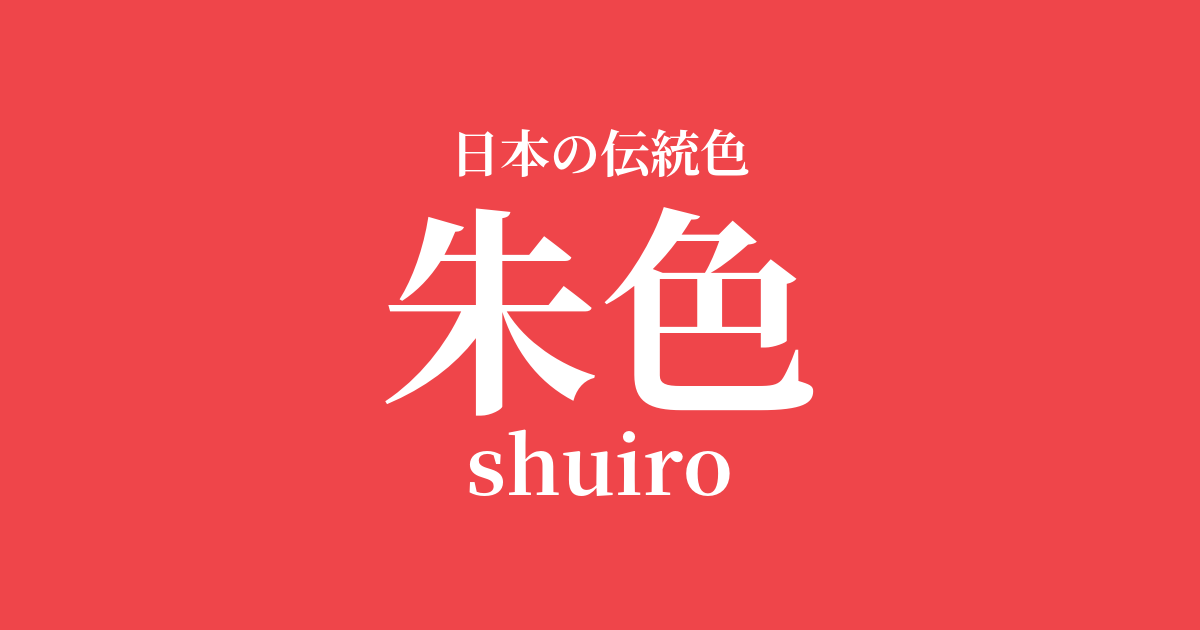
| Japanese color name | vermilion |
|---|---|
| reading | shuiro |
| HEX | #EF454A |
| RGB | 239, 69, 74 |
What is vermilion? Origin and etymology
The color vermilion originates from the pigment extracted from cinnabar, a natural mineral. The main component of cinnabar is mercury(II) sulfide, and in ancient times it was also called "tan" and was highly valued as a red pigment. Its vivid red color is reminiscent of the sun, fire, and blood, and it has been considered a symbol of vitality, and has been believed since ancient times to have the power to ward off evil and misfortune.
The kanji character "朱" (shu) is believed to originate from a pictograph representing the red center of a tree trunk. From this, it came to symbolize something central or essential. The frequent use of vermilion in Shinto shrine gates and buildings is thought to stem from its sacred and magical connotations.
The historical background of the color vermilion
In Japan, pottery, clay figurines, and ornaments painted with vermilion have been discovered at Jomon period sites, indicating that it was used for decoration and magical rituals from ancient times. Cinnabar, in particular, was a valuable pigment and was used in burial goods in the tombs of powerful figures.
During the Heian period, vermilion was highly valued in aristocratic society as a color of nobility. Its vibrant color was used in various aspects, including clothing, furnishings, and temple architecture, becoming a symbol of splendor and authority. In particular, the vermilion used on the torii gates and shrine buildings of Shinto shrines is said to have played a role as a boundary separating the sacred space from the secular world.
During the Edo period, vermilion lacquerware and other items became popular among ordinary people, and vermilion became a familiar color that added color to everyday life. It was also one of the important pigments used in woodblock prints for ukiyo-e, and established its position as an indispensable color in the field of art.
Related literature, waka poetry, and seasonal words
Vermilion, due to its striking appearance, is symbolically used in classical literature such as "The Tale of Genji." It appears in descriptions of the clothing of noble figures and magnificent buildings, functioning as an effective color to express the splendor of the scene and the high status of the characters.
The proverb "He who associates with vermilion will become red" is widely known in Japan and originates from a Chinese story. It teaches that people are influenced, both good and bad, by the friends and environment they associate with. Here, "vermilion" symbolizes something with such a strong influence that it can stain something pure.
While vermilion itself is not a seasonal word, in the world of haiku, it is sometimes used in phrases like "vermilion torii gate" or "vermilion bridge," associating it with the strong sunlight of summer or the colorful foliage of autumn. The vibrant vermilion, when contrasted with the natural landscape, plays a role in making the seasonal scenery even more striking.
On a vermilion plate, dew gathers, like a chrysanthemum flower.
Color scheme preview
This is to check the readability of the text when this color is used as the background.
Vermilion color scheme proposal
Golden (#E6B422)
Vermilion and gold are a traditional and luxurious combination often seen at shrines, temples, and celebratory occasions. The sacredness of vermilion and the nobility of gold complement each other, creating a dignified and magnificent impression. They are suitable for decoration and special designs.
Black (#1C1C1C)
Combining vibrant vermilion with deep ink black creates a powerful and refined impression. The ink black calms the energy of the vermilion, creating a modern and sophisticated atmosphere. This color scheme is often seen in lacquerware and contemporary Japanese designs.
White green (#D6E9D6)
Combining a bright, vibrant vermilion with a soft, gentle white-green creates a pure and refreshing impression. The colors are almost complementary, softening the intensity of the vermilion while enhancing each other's beauty, resulting in a fresh color scheme reminiscent of spring or early summer.
Practical Scenes
In the world of kimono, vermilion is often used in formal wear such as furisode and uchikake, expressing youthfulness and celebratory feelings. Incorporating vermilion into accessories such as obi, obijime, and haneri can add a touch of elegance and sophistication to the entire outfit.
In interior design, effectively using vermilion as an accent color can bring vitality and a Japanese atmosphere to a space. Limiting its use to a single wall, cushions, vases, or other decorative items can attract attention and create a modern and striking space.
In the fields of web design and graphic design, vermilion is a very effective color for attracting attention. By using it on elements that you want to draw the user's attention, such as purchase buttons or important headings, you can expect to increase visibility and encourage action.