
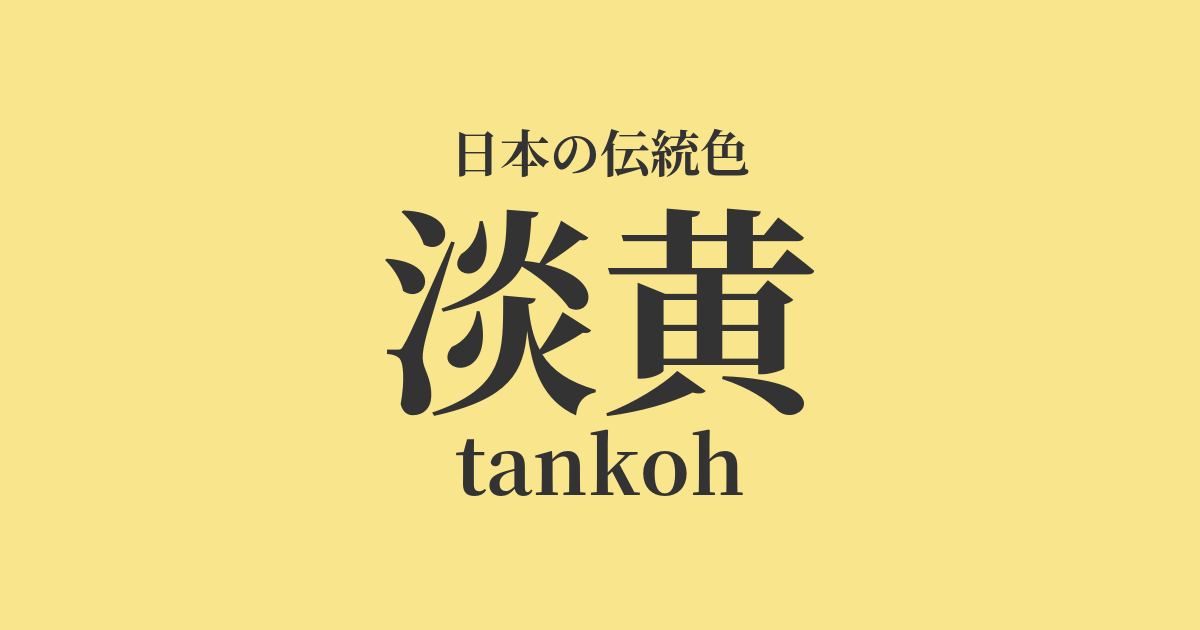
| Japanese color name | light yellow |
|---|---|
| reading | tankoh |
| HEX | #F8E58C |
| RGB | 248, 229, 140 |
What is pale yellow? Origin and etymology
Tankō (淡黄) is a color name that, as the name suggests, means "pale yellow." This gentle and mild hue is said to have been created mainly from the fruit of the gardenia (Gardenia jasminoides) as a dye. Gardenia has been used since ancient times as a representative yellow plant dye, and by adjusting the concentration of the dye, a variety of shades from dark yellow to pale yellow could be expressed. Tankō is thought to be a color obtained by dyeing with a very thin amount of gardenia, or by diluting other yellow dyes.
Its simple and direct name honestly describes the visual characteristics of the color.
Besides gardenia, other plants such as Japanese yew and Phellodendron amurense are also known as yellow dyes, but the clear, less reddish yellow of pale yellow is particularly reminiscent of gardenia dyeing. These plant dyes change in hue depending on the type and concentration of mordant used, so subtle differences in color were created through the skill of the craftsman. Pale yellow can be said to be one of the colors that symbolizes the delicate and profound Japanese color culture, woven from the blessings of nature and the hands of human beings.
The historical background of pale yellow
The color name "pale yellow" is found in the section on the Imperial Sewing Bureau of the Engishiki, a legal code from the Heian period, indicating that it was already an established official color name at that time. In this era, color was an important element indicating social status and rank, and pale yellow is said to have been mainly used for the attire of court nobles, especially the clothing of young women and boys. This was because its bright and pure hue was considered suitable to symbolize youthfulness and purity.
Even after the Kamakura period, pale yellow clothing remained popular among samurai and commoners alike. In the Edo period, more readily available dyes became available, and understated, elegant colors like pale yellow were widely accepted within townspeople's culture. Even under sumptuary laws that prohibited bright colors, these pale, intermediate shades were cherished as sophisticated colors, exemplified by the "forty-eight shades of brown and one hundred shades of gray."
Related literature, waka poetry, and seasonal words
Literary works from the Heian period, such as "The Tale of Genji" and "The Pillow Book," describe the colors of the characters' clothing in detail, offering a glimpse into the color sensibilities of the time. Expressions like "fabric with the scent of yellow roses" and "yellow robes" indicate that various shades of yellow, including pale yellow, were an important element in court life. These colors also played a role in symbolizing the changing seasons and the emotions of the characters.
The gardenia, a pale yellow dye, was frequently used in the world of Japanese poetry as a pun to express "unspoken feelings," due to its name sounding similar to "mouthless." A prime example is the poem by Sosei Hoshi: "Who is the owner of this garment the color of the yellow rose? I ask, but there is no answer; it is a gardenia." Although it does not directly describe pale yellow, this literary imagery behind the dye speaks to the cultural depth of the color.
Color scheme preview
This is to check the readability of the text when this color is used as the background.
Pale yellow color scheme proposal
Light green (#A9D159)
When combined with a fresh, light green reminiscent of young leaves, it creates a bright, vibrant color scheme that evokes the spring fields and mountains. The natural hues of each color harmonize, giving a fresh and hopeful impression.
Mauve (#BB9FCD)
Pale yellow and pale purple are close to complementary colors, beautifully enhancing each other. When combined with wisteria purple, it creates an elegant, dignified, and noble color scheme reminiscent of the layered color combinations of the Heian period.
White training (#F3F3F3)
When combined with pure white, the gentle and calming hues of pale yellow are further enhanced. This color scheme combines cleanliness and elegance, and is expected to bring brightness and spaciousness to the space.
Practical Scenes
In the world of traditional Japanese clothing, pale yellow is widely used in everything from formal kimonos and casual kimonos to undergarments and accessories such as obiage (sash ties). It is particularly suitable for expressing the feeling of spring, and when combined with other pastel colors, it can create a gentle and elegant look.
In interior design, incorporating these elements into wallpaper, curtains, cushions, and other textiles can create a bright and warm atmosphere throughout the entire space. They pair well with natural wood and white-based spaces, contributing to the creation of a relaxing environment.
In web and graphic design, using it as a background or accent color creates a friendly and soft impression. It is particularly suitable for content that aims to convey a sense of security and gentleness, such as organic products, baby products, and natural-oriented services.