
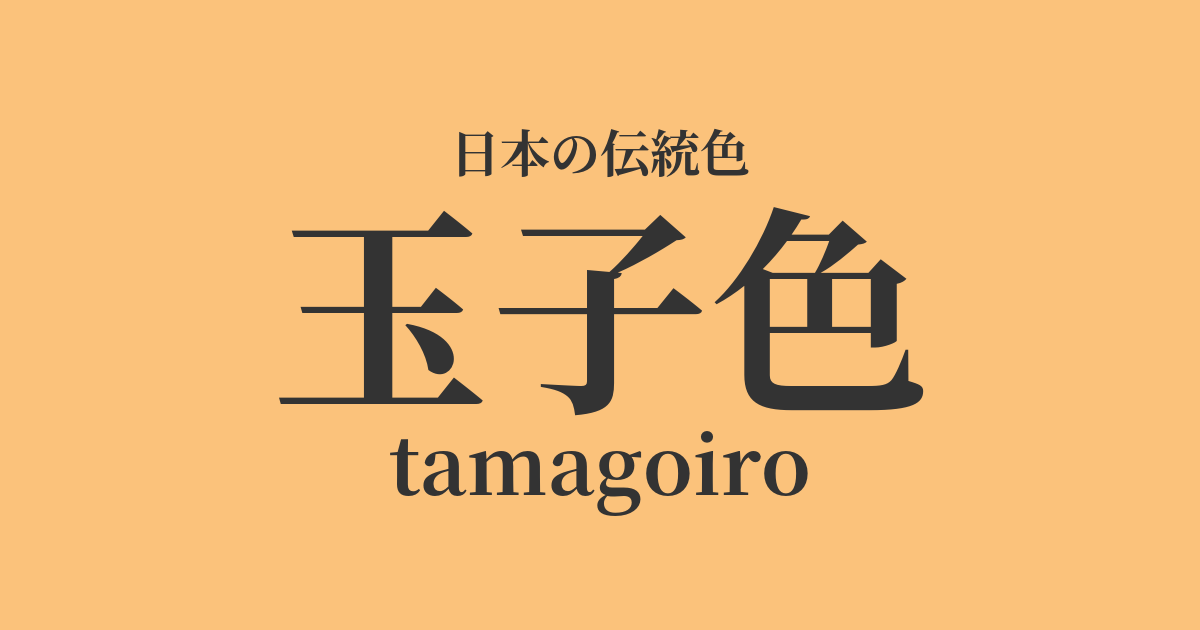
| Japanese color name | Egg color |
|---|---|
| reading | tamagoiro |
| HEX | #FBC27B |
| RGB | 251, 194, 123 |
What is "egg color"? Origin and etymology
"Tamago-iro" (egg color), as the name suggests, is a color name derived from the yolk of a chicken egg. Eggs have long been considered a symbol of life and, due to their high nutritional value, have been an integral part of people's lives. The color name was adopted directly from the color of this familiar food, and it is characterized by a bright, slightly reddish, gentle yellow. It is considered a relatively new color name, having come into common use after the mid-Edo period, and symbolizes the development of a color culture rooted in the lives of ordinary people.
The historical background of egg-colored
The name "egg yolk color" first appears in historical documents from the mid-Edo period. With the improvement of dyeing techniques at the time, a wide range of colors became possible, leading to the creation of many color names derived from familiar foods. Egg yolk color was particularly suitable for dyeing cotton and was widely used for the clothing, accessories, and obi sashes of common people. Its warm hue likely added color to the lives of people at the time and was widely loved.
Ukiyo-e prints depicting Edo period customs sometimes feature women wearing kimonos in egg-yellow. This suggests that this color was one of the popular colors in fashion at the time. Furthermore, the widespread popularity of tamagoyaki (Japanese rolled omelet) among common people may have contributed to the establishment of this color name. It can be said that this color well represents the characteristics of an era where food culture and color culture were closely intertwined.
Related literature, waka poetry, and seasonal words
The color "tamago-iro" (egg color) is a relatively new color name, so it is not directly mentioned in classical literature from the Heian period such as "The Tale of Genji" or "The Pillow Book." However, eggs themselves have long been a subject of waka poetry. In Edo period literature and humorous books, egg-colored kimonos and accessories sometimes appear in descriptions of the lives of ordinary people. While the word "tamago-iro" itself is not a seasonal word, "chicken chick" is used as a seasonal word for spring, evoking the birth of life and the arrival of spring.
Color scheme preview
This is to check the readability of the text when this color is used as the background.
Eggshell color scheme proposal
Nightingale (#918D40)
The olive green color is the color of the bird that heralds spring, and when combined with eggshell yellow, which symbolizes the beginning of life, it creates a color scheme that evokes the natural and gentle arrival of spring. While possessing a Japanese atmosphere, it also gives a friendly and calm impression.
Light blue (#00A4AC)
By combining a bright, refreshing light blue with a warm eggshell color, the colors become almost complementary, enhancing each other and creating a lively and youthful impression. It has a bright and open atmosphere, like the sky and sunlight on a clear day.
Dark brown (#664433)
The deep, dark brown tones complement the bright egg-yolk color, bringing a sense of stability and sophistication to the overall design. The combination evokes the warmth of baked goods and wooden crafts, while also possessing a somewhat nostalgic, retro feel, creating a comforting and reassuring atmosphere.
Practical Scenes
In the world of kimono, eggshell yellow is often used for obi sashes, accessories, or as the base color for komon (small-patterned) kimonos. It is especially well-suited to spring attire, giving a warm and gentle impression. It is also a popular choice for children's kimonos, as its approachable hue resonates with the wish for healthy growth.
In interior design, eggshell yellow can be used as an accent color in wallpaper, cushions, and curtains to bring warmth and brightness to a space. It pairs very well with natural wooden furniture and can add a soft atmosphere to Scandinavian or Japanese modern spaces.
In web and graphic design, this color is suitable for websites that want to convey friendliness and a sense of security. It is effective when used as a background color or button color for websites related to food or children's services. The warm tones give users a positive impression.