
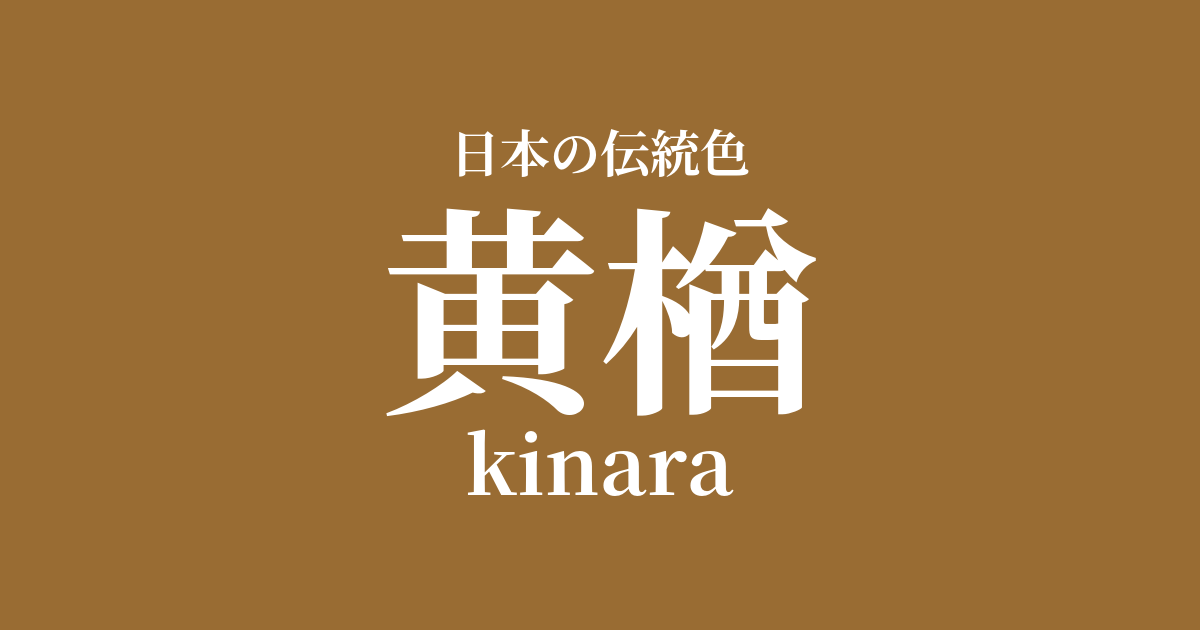
| Japanese color name | Yellow oak |
|---|---|
| reading | kinara |
| HEX | #996C33 |
| RGB | 153, 108, 51 |
What is yellow oak? Origin and etymology
Kinara is a color name derived from the dull yellowish-brown color reminiscent of dyes made from the leaves of the oak tree (Quercus serrata), a deciduous tree belonging to the Fagaceae family. The bark and leaves of the oak tree have been used as dyes since ancient times, and various shades could be produced depending on the type of mordant used. Kinara specifically refers to a yellowish-brown color, reminiscent of the oak leaves that change color in autumn.
"Yellow" indicates the hue, and "oak" indicates the plant from which the dye is derived. This is one of the traditional Japanese color naming conventions where the origin of the color can be directly understood from the name.
Historical background of yellow oak
Plant dyes, including those from oak, have been deeply rooted in the lives of the Japanese people since ancient times. Particularly during the Edo period, influenced by the shogunate's sumptuary laws, subdued colors such as brown and gray became popular among the common people. This trend was so widespread that it was expressed as "forty-eight shades of brown and one hundred shades of gray," and people cultivated a culture of appreciating subtle differences in shades as a sign of sophistication.
Yellow oak, as one of these shades of brown, is thought to have been widely used as a color for kimonos, curtains, and everyday items. Its simple and warm hue, characteristic of naturally derived dyes, is believed to have resonated with the aesthetic sensibilities of people at the time.
Related literature, waka poetry, and seasonal words
Because its wood and leaves have been closely intertwined with people's lives since ancient times, the oak tree appears in many literary works and waka poems. In particular, when describing autumn scenery, the red leaves (yellow leaves) of the oak tree are often featured in poems, and it has been used as a symbol that evokes the changing seasons and a sense of poignant beauty. Several poems in the Manyoshu anthology also mention the oak tree under its old name, "hahaso."
Although the color name "yellow oak" is rarely used directly, descriptions of oak in literary works enrich the cultural background associated with this color. As a seasonal word, it is used in phrases such as "fallen oak leaves," evoking the scenery of late autumn.
The yellow hues of scattered oak leaves are a beautiful sight.
Color scheme preview
This is to check the readability of the text when this color is used as the background.
Yellow Oak Color Scheme Proposal
Kutsuha color (#915E33)
Both colors are derived from autumn plants, and yellow oak and withered leaf yellow have similar hues, resulting in a harmonious and calm color scheme. This combination evokes the changing seasons of nature, creating a deep and warm impression that is gentle and elegant.
Indigo (#274A78)
The yellowish-brown of yellow oak and the deep blue of indigo are close to complementary colors, enhancing each other's beauty. This creates an intelligent and sophisticated impression, making it suitable for modern Japanese designs. The resulting contrast also improves visibility.
Generated color (#FBF9F4)
The natural white of the ecru color enhances the simple and warm atmosphere of the yellow oak. The resulting color scheme has a gentle and natural impression, making it ideal for creating a comfortable and relaxing space in interiors and fashion.
Practical Scenes
In the world of kimono, yellow oak is considered an excellent color for kimonos and obi sashes worn in the autumn season. Its subdued hue makes it easy to wear regardless of age, and it harmonizes well with other colors and patterns. It is especially considered to go well with fabrics that have a simple texture, such as pongee silk and cotton.
In interior design, the warm and calming yellow oak creates a relaxing atmosphere when used for wallpaper, curtains, and furniture in living rooms and studies. It also pairs exceptionally well with wooden furniture and houseplants, creating a natural and comfortable ambiance.
In web and graphic design, it is a valuable earth tone. It is suitable as a background or accent color for websites that deal with natural or organic products, and it is easy on the eyes and can be expected to have the effect of conveying trust and peace of mind.