
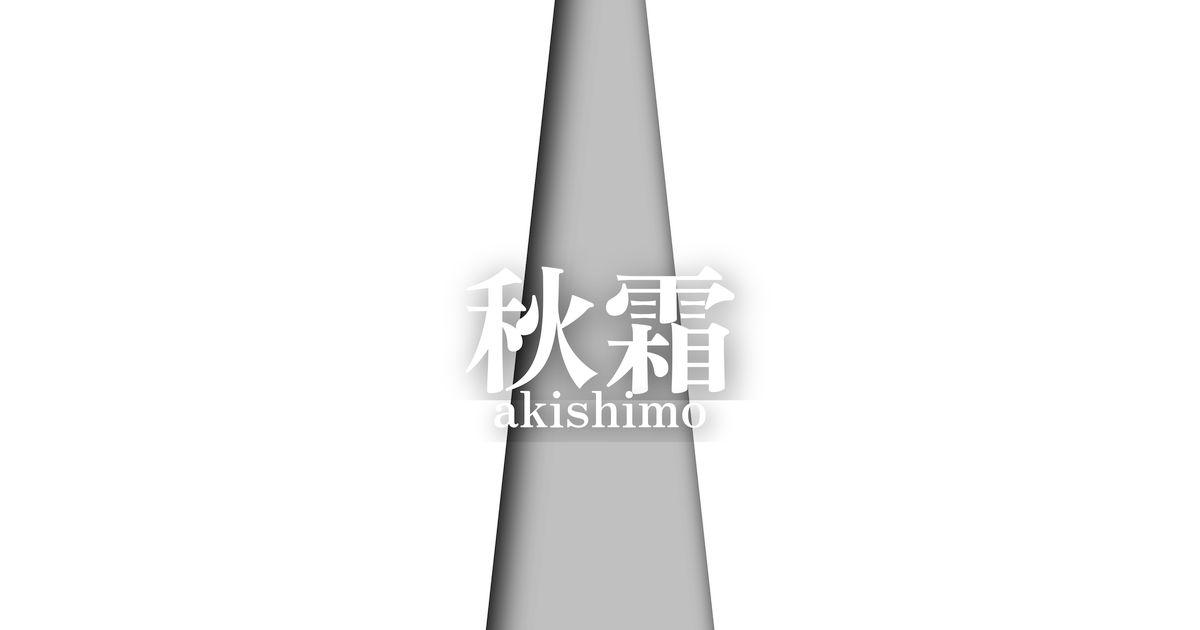
| Japanese color name | autumn frost |
|---|---|
| reading | akishimo |
| season | 秋 |
| Color of the table | White (shiro) |
| Back color | silver (gin) |
What is autumn frost? Origin and etymology
The name "Akishimo" literally represents the frost that falls on autumn mornings. "Autumn" refers to the season, and "frost" refers to the white, cold natural phenomenon. The colors are said to symbolize the frost itself with the "white" on the front and the cold, shimmering light emitted by the frost-covered ground and plants with the "silver" on the back. This color scheme captures the clear and crisp atmosphere that arrives as autumn deepens, revealing the delicate aesthetic sense of the Heian aristocracy.
Historical background of autumn frost
During the Heian period, a culture of "kasane no irome" (layered colors) developed in aristocratic society, expressing the changing seasons through the colors of clothing. "Shūsō" (autumn frost) is one such example, and it is thought to have been used as a color scheme to evoke the feeling of autumn. Although there are not many specific records of its wear, it is presumed to have been worn at occasions where a sense of the season was important, such as autumn official duties or private banquets.
The combination of white and silver, both achromatic colors, is unusual among the many vibrant colors of traditional Japanese layered color combinations, and its sophisticated impression may have made it particularly favored by those with a refined aesthetic sense.
Related literature, waka poetry, and seasonal words
The term "autumn frost" itself is frequently used in waka poetry and classical literature to describe the scenery of autumn. The *Kokin Wakashū* and *Shin Kokin Wakashū* contain numerous poems that describe the whiteness and coldness of autumn frost. These poems express the sense of loneliness and pure beauty brought about by frost, and deeply resonate with the imagery associated with the color scheme of "autumn frost." Although there are few direct descriptions of this color scheme, it is thought that the aesthetic sense towards "autumn frost," cultivated through literary works, culminated in the color combination of these garments.
As a seasonal word, "autumn frost" indicates late autumn.
The autumn frost adds a touch of light, drawing a parallel to the white chrysanthemum blossoms.
Autumn frost season and scenery
"Autumn Frost" is a color scheme that expresses the scenery of late autumn, when autumn deepens and the first signs of winter begin to be felt. Specifically, it is said to have been worn from around the 9th to 10th month of the lunar calendar, and from late October to November in the modern calendar. It symbolizes the crisp air and tranquil beauty of the time when the mornings and evenings become colder and white frost settles on the plants.
Its pure and elegant color scheme would have been suitable not only for ceremonial occasions but also for refined events such as moon-viewing parties and autumn leaf viewing.
Autumn Frost Color Scheme Proposal
Kutsuha color (#917347)
By combining it with a withered leaf color reminiscent of late autumn leaves, the scene of frost-covered fallen leaves comes to life. This color scheme adds warmth and depth to the achromatic "autumn frost," resulting in a rich expression of the changing seasons.
Gentian (#9079AD)
The color of gentian flowers blooming in the autumn fields. The clear white and silver of "Autumn Frost" are complemented by the gentian's purple, adding elegance and grace. Although it is a combination of cool colors, it evokes the vitality of nature and gives a refined impression.
Constitution color (#543F32)
The dark, reddish-brown color of the Constitution evokes images of frost-covered winter trees and bare earth. The contrast with the brighter "Autumn Frost" color is beautiful and creates a sense of balance, resulting in a calm and dignified color scheme.
Practical Scenes
In Heian period attire, this color was primarily used in women's uchiki (outer robes) and was considered to demonstrate a person's refined taste. In modern times, incorporating this color scheme into kimono and obi combinations can express the feeling of late autumn. Furthermore, its minimalist and elegant color scheme is also suitable for interior design. Adding silver accents to white walls can create a modern and clean space.
In web design and graphic design, using it as a background or text color can create a serene and sophisticated impression.