
What is Aoshion? Origin and etymology
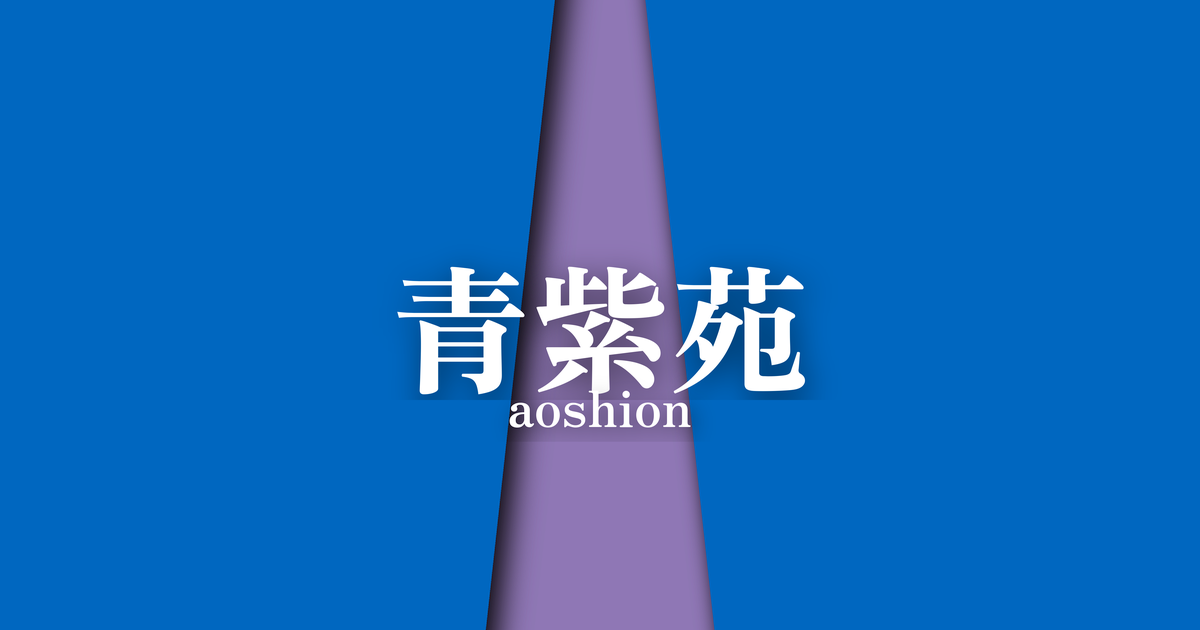
The name Aoshion (青紫苑) originates from the aster plant "Shion," which blooms with pale purple flowers from summer to early autumn. The vibrant blue on the front is reminiscent of the clear summer sky and pristine streams, while the Shion color on the back is said to represent the Shion flower itself blooming in the wild. This color scheme is born from a delicate sense of color based on the Japanese view of nature, evoking the strength of midsummer, the sudden cool breeze, and the lingering signs of autumn.
Historical background of Aster ageratoides
The combination of colors in layered garments was an important cultural element in expressing a sense of the seasons in the aristocratic society of the Heian period. People incorporated the colors of natural landscapes and flowers into their clothing to demonstrate their education and aesthetic sense. "Aoshion" was one such color combination, and it is said to have been used for summer attire. In the "Masasuke Shōzoku Shō," a book on court customs from the late Heian period, "Ashion" is described as "blue on the outside, light blue on the inside," indicating that it was recognized as summer clothing.
Related literature, waka poetry, and seasonal words
The plant "shion," from which the name "ao-shion" (blue-purple aster) originates, frequently appears in classical literature. In "The Tale of Genji," it is depicted as a flower that adorns the autumn garden, and its beauty was greatly appreciated. It is also classified as an autumn seasonal word. However, "ao-shion" as a color combination in kimono is said to capture the transition from summer to early autumn and was worn in mid-summer.
While color names themselves don't often appear in literary works, the elegant yet slightly melancholic impression of the aster flower was deeply connected to the aesthetic sensibilities of the Heian aristocracy.
The season and scenery of the blue aster.
Aoshion is a color combination primarily worn in summer. It is said that its cool hues were favored during the hottest part of summer, from around June to August in the old lunar calendar. The vibrant blue of the outer layer evokes the clear summer sky and flowing streams, while the subdued aster color of the inner layer is reminiscent of aster flowers blooming in the shade, giving the viewer a sense of coolness. This color scheme, which simultaneously conveys the strength of midsummer and the approaching signs of autumn, symbolizes the aesthetic sensibility of the Heian aristocracy, who delicately captured the changing seasons.
A color scheme proposal for Aoi-shion
Shironeri (#FFFFFF)
The pure white further enhances the cool impression of blue and aster. It adds a sense of cleanliness and elegance, and is easy to apply to modern designs. This color scheme highlights the beauty of blue and aster when used as an obiage or obijime for summer kimonos, or as a background color for web designs.
Silver Gray (#AFB1B4)
The understated light gray softens the vibrancy of the blue and aster, creating a refined and calm impression. Silver was considered a noble color in Heian period attire. It is suitable for creating a chic atmosphere in modern interiors and fashion.
Kariyasu (#F5E56B)
Kariyasu is a bright yellow dyed with pampas grass, reminiscent of summer wildflowers. It adds a natural accent to the Aoshion color scheme, and the colors, being close to complementary, enhance each other, creating a lively and vibrant impression.
Practical Scenes
In traditional Japanese clothing, the blue-violet color is used in summer kimonos, yukata, obi sashes, and obi ties, giving a cool and elegant impression. In particular, pairing a blue-violet obi with a white kimono, depending on the combination with other colors, allows for a classic yet modern style. It is also a favored color combination for occasions such as tea ceremonies, where a sense of the season is important.
The azure-purple color scheme can be widely applied in contemporary creative fields. In web design, using azure as an accent color with blue as the main color creates an intelligent and sophisticated impression. In interior design, incorporating it into the color scheme of linens or parts of wallpaper can create a calm and refreshing atmosphere that evokes a sense of the season.