
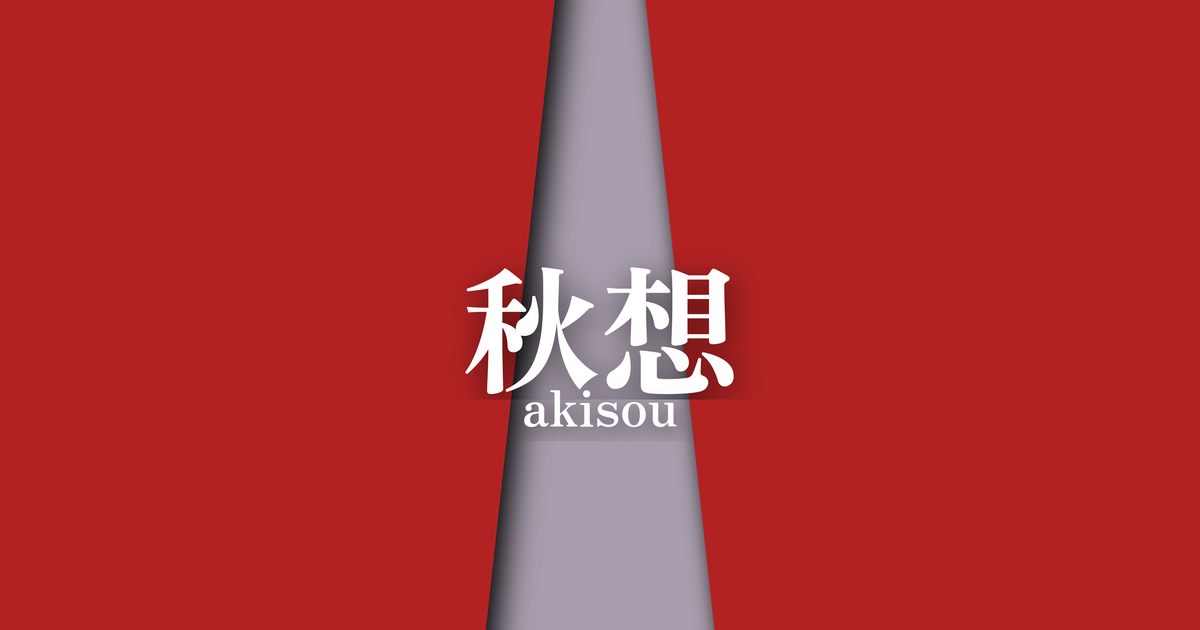
| Japanese color name | Autumn thoughts |
|---|---|
| reading | akisou |
| season | 秋 |
| Color of the table | Deep red (shinku) |
| Back color | Light purple (usumurasaki) |
What is "Shusou"? Origin and etymology
"Akisō" (秋想), as its name suggests, is a color combination that expresses the mental imagery of "thinking of autumn" through color. The deep crimson on the outside is said to symbolize the autumn leaves that turn fiery red as autumn deepens, and the berries of the rowan tree. On the other hand, the light purple on the inside evokes the clear autumn sky, the soft light of dusk, or the colors of autumn flowers such as bellflowers and gentians that bloom in the fields.
This combination of two colors skillfully expresses both the vibrant natural scenery and the contemplative feelings of the people who observe it.
However, the specific name "Shuso" (秋想) is not found in major Heian period texts such as the "Masasuke Shōzoku Shō." Therefore, it is possible that the color was named later or created in modern times. Nevertheless, the combination of red and purple has long been a representative color scheme for autumn and is deeply rooted in traditional Japanese aesthetics.
Historical background of autumnal thoughts
In the aristocratic society of the Heian period, a highly developed culture of "kasane no irome" (layered color schemes), which keenly perceived the changing seasons and expressed them through the color combinations of clothing, flourished. Incorporating the beauty of nature in each season into one's attire was an important element that demonstrated the wearer's education and rich sensibility. Autumn, in particular, was a season when events celebrating the beauty of nature, such as viewing autumn leaves, moon viewing, and chrysanthemum banquets, were frequently held, and these scenes were vividly reflected in the clothing.
The combination of deep red and light purple used in "Shuso" (Autumn Thoughts) is a representative color of autumn and is thought to have been favored by women of the imperial court. It is easy to imagine scenes of people wearing clothing with this color scheme when going out during the time when the autumn leaves are at their most beautiful, or as formal attire for autumn banquets. Even without a specific name, it can be inferred that a similar sense of color certainly existed within the aesthetic sensibilities of the Heian aristocracy.
Related literature, waka poetry, and seasonal words
Heian period literature such as "The Tale of Genji" and "The Pillow Book" depict numerous scenes in which characters wear elegant costumes appropriate for the season, offering a glimpse into the color culture of the time. For example, in the "Autumn Leaves Gathering" chapter of "The Tale of Genji," there is a scene in which Hikaru Genji dances the "Seigaiha" dance beneath the autumn leaves, and the beauty of his costume is described in detail. The color scheme of "Autumn Thoughts" evokes precisely such a scene of an elegant autumn banquet.
Furthermore, autumn leaves, autumn grasses, and the autumn sky are frequently themes in Japanese poetry. The beauty of autumn leaves was often celebrated, as seen in Ariwara no Narihira's poem, "The Tatsuta River flows with a riot of autumn leaves; if I cross it, will the brocade of leaves be broken?" Through these literary works, we can see that colors such as deep red and purple are deeply connected to the classical Japanese aesthetic.
When I hear the cry of a deer treading through the autumn leaves in the deep mountains, that is when autumn feels truly sad.
Autumn thoughts and scenes
"Shuso" (秋想) is a color scheme worn when autumn deepens and the leaves on the trees turn vibrant colors. In the modern calendar, the period from October to November is considered the most appropriate time. It was used as attire for autumn outings such as leaf-viewing and chrysanthemum viewing parties. The deep red on the outside represents the fiery red leaves, while the light purple peeking through from the inside represents the clear autumn sky, the bellflowers and gentians blooming in the fields.
This color scheme not only imitates the beauty of nature, but also symbolizes the Japanese sense of "mono no aware," a feeling of melancholy and contemplation towards the passing seasons. The vibrant yet somewhat ephemeral hues richly express the unique emotions of autumn.
Autumn Color Scheme Proposals
Withered leaf color (#917347)
By combining it with the same autumnal color of withered leaves, the image of fallen leaves is added, creating a deeper autumn scene. The vibrancy of the deep red is toned down, resulting in a harmonious color scheme overall.
Shironeri (#FFFFFF)
Adding pure white enhances the contrast between deep red and light purple, creating a sophisticated impression. It evokes the whiteness of autumn morning mist or frost, adding a sense of clarity to the color scheme.
Indigo Iron (#293047)
The deep, calming indigo iron color evokes the autumn night sky or the clear surface of water. The combination of dark red and light purple brings a sense of gravitas and tranquility, creating a chic and sophisticated color scheme that can be used in modern designs.
Practical Scenes
In traditional Japanese clothing, incorporating the "Autumn Feeling" color scheme into autumn-themed kimonos such as visiting kimonos or casual kimonos, or into accessories like obi sashes and obiage (sash ties), creates a stylish and seasonal look. This combination is especially suitable for autumn outings, such as viewing the autumn foliage. Even if you don't use this color scheme for the entire kimono, using it in just a part of it can effectively express a sense of the season.
The "Autumn Elegy" color scheme remains appealing in contemporary fashion and design. When used in dresses, scarves, and knitwear, it creates a classic and elegant impression. In interior design, incorporating it into cushion covers and tablecloths brings a calm and warm autumnal atmosphere to a room. In web design, it's suitable as a key color for seasonal campaign websites.