
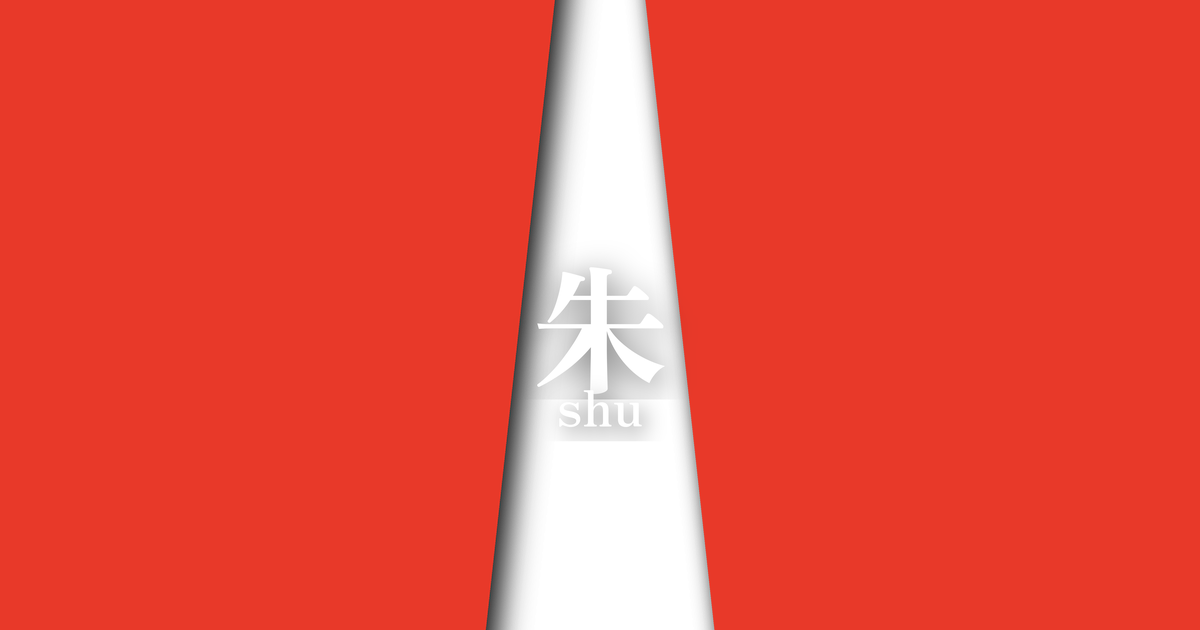
| Japanese color name | 朱 |
|---|---|
| reading | shu |
| season | Miscellaneous (year-round/celebratory) |
| Color of the table | Shu |
| Back color | White (shiro) |
What is vermilion? Origin and etymology
In the context of layered kimono colors, "vermilion" refers to a color scheme where the outer layer is vermilion and the inner layer is white. Vermilion has long been believed to possess the power to ward off evil and misfortune, and it was a sacred color used in shrine gates and palaces. For this reason, it is said that it was a "miscellaneous" color not limited to a specific season, and was mainly worn at celebratory ceremonies and auspicious occasions.
The combination of vermilion, which symbolizes vitality and the sun, and white, which represents purity and sanctity, creates a bright and dignified impression, making it the perfect color scheme to express celebratory sentiments.
The word's etymology lies in cinnabar, a natural mineral. Cinnabar is a red pigment made from mercury sulfide, and in ancient times it was also called "ni." The vivid vermilion color obtained from this precious pigment was a symbol of authority and wealth. The use of "vermilion" as a color in layered garments strongly reflects the cultural and religious meanings behind this color, and it is thought to have played a role not only in its beauty as a color, but also in indicating the status of the wearer and the importance of the occasion.
Historical background of vermilion
In the aristocratic society of the Heian period, the color scheme of one's attire was an important element that reflected an individual's education and aesthetic sense. The "vermilion" color, due to its vividness and sacredness, is believed to have been used in important court ceremonies and banquets. For example, it may have been worn at national celebrations such as the New Year's Day morning ceremony or the enthronement ceremony. Because it is a "miscellaneous" color that is not limited to any particular season, it is thought that there were opportunities to wear it throughout the year whenever there was a celebratory occasion.
In particular, the combination of vermilion and white is an auspicious color scheme that is similar to the modern "red and white" combination, and it is presumed that a similar sentiment existed during the Heian period. When high-ranking ladies-in-waiting and male nobles wore these colors on special occasions, it not only added splendor to the atmosphere but also enhanced the sacredness of the ceremony. However, because these colors are very conspicuous, they were rarely worn on a daily basis and were likely reserved for special occasions.
Related literature, waka poetry, and seasonal words
In Heian period literature, there are not many instances where the color "vermilion" itself is directly described. However, vermilion frequently appears as an important element that colors the stories. In "The Tale of Genji," there are descriptions of the pillars of the Rokujo-in building where Hikaru Genji resides being painted vermilion, and of its use in decorations during ceremonies. This indicates that vermilion was a color that symbolized nobility and splendor in the architecture and crafts of the time.
Furthermore, in "The Pillow Book," the section on "beautiful things" includes the expression "white with red" when describing the color of the undergarments worn by infants, indicating that bright red colors were associated with cuteness. Through these literary works, it can be seen that vermilion was recognized as a color of special value in the aesthetic sensibilities of the Heian aristocracy.
Even in the age of the gods, such a thing has never been heard: the Tatsuta River is dyed crimson.
The season and scenery of crimson
"Vermilion" is classified as a "miscellaneous" color, not associated with any particular season. This is because vermilion was more strongly linked to cultural meanings such as ceremonies and celebrations than to natural landscapes. Therefore, it was worn year-round, and its value was particularly evident at celebratory occasions. It was used at auspicious occasions marking milestones in life, such as coming of age ceremonies, weddings, and investitures, as well as at splendid ceremonies in the imperial court.
The vermilion on the outside symbolizes the dynamism and joy of life, while the white on the inside symbolizes a pure and innocent heart. This combination of two colors was considered extremely auspicious. Even today, red and white are used in shrine gates and celebratory decorative cords, demonstrating that this sense of color is deeply rooted in traditional Japanese culture. The layering of vermilion can be said to have been a special color combination used to express a celebratory spirit that transcended the seasons.
Vermilion color scheme proposal
Gold (#C4972F)
The celebratory atmosphere of vermilion is further enhanced by the gold, creating a magnificent and opulent impression. This combination, also seen in the clothing and furnishings of the Heian period, is considered a dignified and very auspicious color scheme.
Light green (#A5C422)
Combining vibrant vermilion with the fresh green of new leaves creates an even greater sense of energy and cheerfulness. This fresh color scheme is perfect for spring celebrations and for the attire of young people.
Dark purple (#493759)
The vibrant vermilion, combined with the deep purple signifying the highest rank, adds a sense of calm and dignity to the splendor. This color scheme is perfectly suited to extremely formal occasions, such as ceremonies where formality is paramount.
Practical Scenes
In modern Japanese attire, the color "vermilion" is widely used to express celebratory occasions. In particular, incorporating vermilion into bridal attire such as the uchikake, furisode for coming-of-age ceremonies and graduation ceremonies, as well as accessories such as obi sashes, obi-jime (sash cords), and obi-age (sash scarves), creates a vibrant and festive impression for the entire outfit. When combined with white, it conveys purity and dignity, making it ideal for auspicious occasions.
Beyond traditional Japanese clothing, the color "vermilion" is an effective design accent. In interior design, using vermilion in cushions or wallpaper can bring vibrancy and a Japanese aesthetic to a space. In web and graphic design, using vermilion as a key color in celebratory-themed websites or advertisements can attract attention and create a sense of exclusivity.