
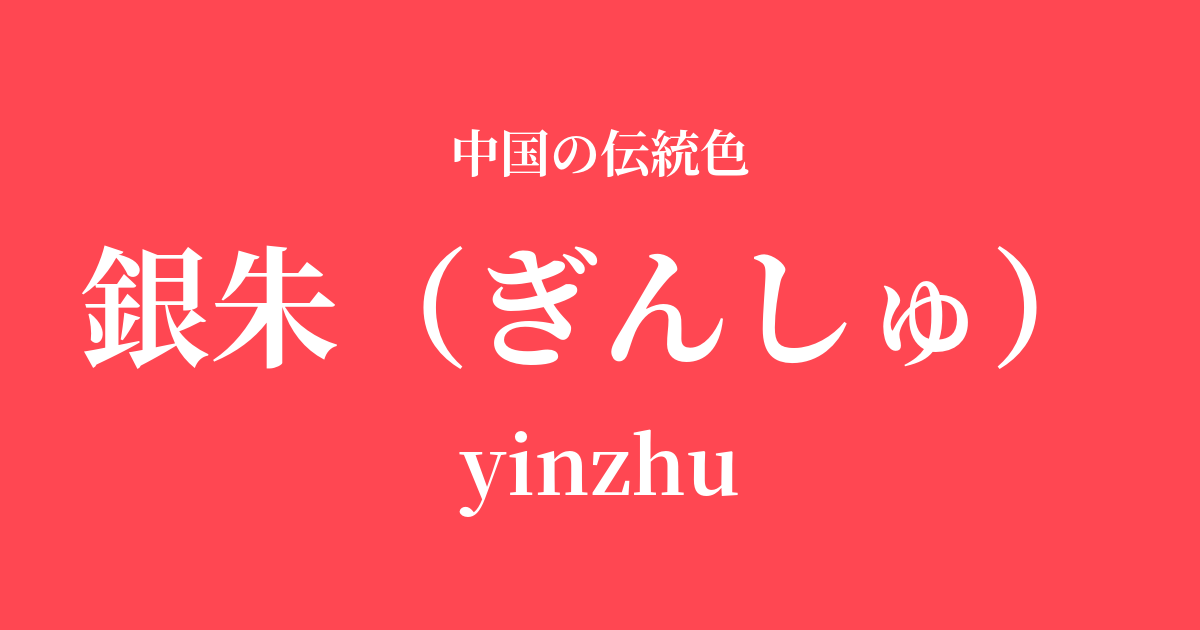
| Color name | Vermilion |
|---|---|
| reading | Ginshu |
| pinyin | yinzhu |
| HEX | #FF4752 |
| RGB | 255, 71, 82 |
What is silver and vermilion? Origin and etymology
Vermilion is a vibrant and powerful red pigment made by refining cinnabar, a natural mineral. Its name is said to have originated from the fact that this high-quality vermilion pigment shines with a silvery luster.
Cinnabar is chemically mercury(II) sulfide and has been highly valued as a precious pigment since ancient times. In ancient China, it was also called "dan," and due to its mystical color, it was believed in Taoist thought to be an ingredient in the elixir of immortality, known as "xian dan."
By crushing and refining natural cinnabar, a higher purity and more vivid color called "ginshu" (silver vermilion) is produced. This color is not simply red, but has been treated as a special color that evokes a sense of the dynamism of life and a mystical power.
The method for producing cinnabar has been known since ancient times, and it was also produced artificially by combining mercury and sulfur. This technique made it possible to produce a stable and beautiful vermilion color without relying on natural cinnabar.
Its vibrant colors are difficult to obtain with other pigments, and it has captivated many people across generations, occupying an important place in Chinese color culture.
Historical background of silver
The history of cinnabar is ancient, with cinnabar-decorated pottery discovered even in Neolithic sites. During the Qin and Han dynasties, its value increased even further, and it was widely used as a majestic color to adorn the pillars and walls of palaces. In the Five Elements philosophy, red is the color of fire, which governs the south, and symbolizes vitality and authority, making it a suitable color to demonstrate the power of the emperor.
A particularly important element was "yindi," the vermilion ink used for the emperor's seal. Official documents signifying the emperor's approval were stamped with this silver-vermilion color. This color was not merely decorative, but embodied the very authority of the state.
Furthermore, in the world of Taoism, silver and vermilion were believed to have the power to ward off evil spirits and repel malevolent forces. This vermilion color was used in the talismans drawn by Taoist priests, and it was deeply intertwined with people's faith.
During the Tang Dynasty, silver was so vibrant that it was incorporated into women's makeup, and records show that it became popular as a rouge to color lips and cheeks. In this way, silver vermilion shone brightly in various aspects of Chinese society, from court ceremonies to folk beliefs and personal attire.
Silver in Chinese Art and Crafts
In the world of Chinese art, silver and vermilion are indispensable and vibrant accents. Particularly in the field of ceramics, from the Song dynasty onward, beautiful, deep red porcelain was produced, such as "cinnabar glaze" (shinsha yu), which used cinnabar as a glaze, and "saikou glaze" (sai kou yu), which was perfected in the Ming dynasty. These works are considered extremely valuable due to the high level of technical difficulty involved in their creation.
In painting, it was used in techniques such as meticulous brushwork to depict important details that enhance the overall composition, such as the clothing of figures or the petals of flowers in bird-and-flower paintings. It was particularly effective when depicting noble figures such as deities or emperors, to express their divinity and authority.
Perhaps the most iconic example of silver-red in architecture is the Forbidden City in Beijing. The walls and pillars of the magnificent palace complex are painted in this vermilion, overwhelming visitors. This design serves both as a protective charm and as a symbol of the grandeur of the emperor's residence.
In the context of clothing culture, this vibrant vermilion color was sometimes used for ceremonial attire worn by emperors and high-ranking officials. Its striking reddish hue served to instantly convey the wearer's high status.
Suzakubashibe wildflowers
Color scheme preview
This is to check the readability of the text when this color is used as the background.
Silver and vermilion color scheme proposal
Black (#3D3A3A)
The vibrant silver-red is balanced by the deep ink black, creating a powerful and dignified impression. This color scheme evokes the world of calligraphy and ink painting, conveying a traditional and serene beauty.
Wisteria yellow (#FFC32B)
Red and yellow have long been considered a noble color combination in China, symbolizing emperors and the imperial family. They evoke a festive and opulent atmosphere, bringing joy and vitality to those who see them.
Moon white (#D6ECF0)
By combining a vibrant silver-red with a quiet, pure moon-white, a refined elegance is created without being overly flashy. It is easy to apply to modern designs and gives a sophisticated impression.
Practical Scenes
In interior design, silver-red is an ideal accent color that brings energy and vibrancy to a space. Simply incorporating it through small items like cushions, vases, or art panels can dramatically enhance the overall impression of a room. Its beauty is particularly striking when combined with dark brown wooden furniture or a modern space based on black tones.
In the world of fashion, silver-red is a leading color that attracts attention. Incorporating it into dresses, coats, or scarves creates a confident and glamorous style. It's also effective as a focal point in makeup, such as lip color or nail polish. Pairing it with basic colors like white, black, or beige further enhances the vibrancy of silver-red.
In web and graphic design, silver vermilion is effective when used for buttons, headings, and icons that you want to attract attention. Setting a dark background will highlight the vibrancy of silver vermilion, creating a sense of luxury and passion. It's a suitable color when you want to convey the strength and vitality of a brand.