
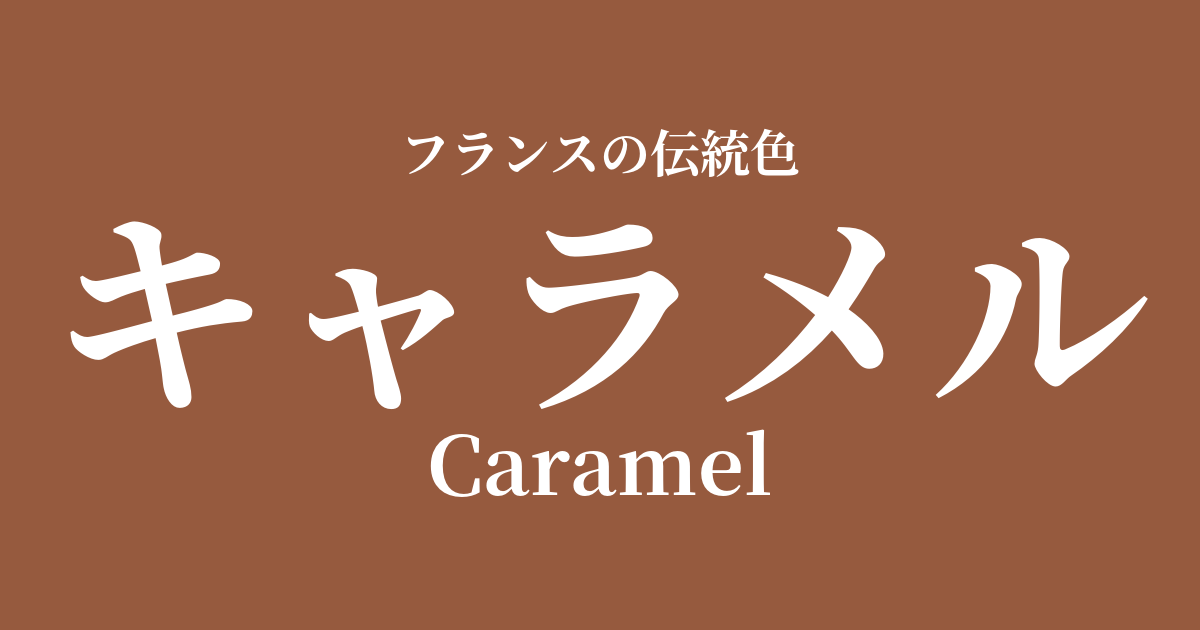
| French | Caramel |
|---|---|
| Katakana | caramel |
| HEX | #965A3E |
| RGB | 150, 90, 62 |
What is caramel? Origin and etymology
The color "caramel" is derived from the sweet, fragrant, brown confectionery made by heating sugar, milk, and other ingredients. Its etymology is said to trace back to the Portuguese and Spanish word "caramelo," and further to a combination of the Latin words "canna," meaning sugarcane, and "mel," meaning honey.
In 17th-century France, caramel as a confection became popular among the royal court and nobility, and its delicious color became widely recognized. As a color name, "caramel" is not simply brown, but carries a special nuance that evokes sweet and happy memories.
The historical background of caramel
The history of caramel is deeply intertwined with the development of French confectionery culture. When sugar was brought to Europe from the Americas in the 16th century, sophisticated confectionery making flourished in France. Initially an expensive luxury item, it gradually spread among the bourgeoisie and the common people.
One particularly famous example is "Caramel au beurre salé," which originated in Brittany, a region in northwestern France. Said to have been invented in 1977 by pastry chef Henri Le Roux in this region renowned for its salted butter, it has now become a representative French confection. For this reason, the caramel color is also cherished as a symbol of simple, heartwarming regional traditions and happy family gatherings, distinct from the opulence of royalty.
Caramel in the world of art and fashion
While there isn't a specific pigment called "caramel color" in the art world, this hue has been beloved by many painters. In particular, the 17th-century Dutch master Rembrandt effectively used warm, deep caramel-like browns, employing pigments such as amber and sienna to express dramatic contrasts of light and shadow. His use of color beautifully captures the inner emotions of figures and the warmth of scenes.
In the world of fashion, caramel is a timeless classic color. It's particularly iconic for trench coats and leather goods, simultaneously expressing intelligence, sophistication, and approachability. In autumn/winter collections, it's paired with warm materials like wool and cashmere to create rich and elegant styles. In interiors, it harmonizes with wooden furniture and linen fabrics, becoming an essential color for creating a cozy and relaxing space.
Color scheme preview
This is to check the readability of the text when this color is used as the background.
Caramel color scheme proposal
Ecru (#F5F5DC)
The warmth of caramel combined with the natural whiteness of ecru creates a gentle, natural, and sophisticated impression. The comforting contrast, reminiscent of café au lait, creates a relaxing atmosphere.
Blue Nuit (#0F2540)
The deep, night-sky blue nuit balances the sweetness of the caramel, creating an intelligent and modern atmosphere. It's a classic yet urban, trustworthy and dignified color scheme.
Rouge Grenat (#9D2933)
Paired with Rouge Grenat, a deep red reminiscent of ripe pomegranates, it creates a rich and passionate impression. The color scheme is rich, warm, and dramatic, evoking the fruits of autumn.
Practical Scenes
In interior design, caramel brings warmth and tranquility to a space. Incorporating it into living room sofas and rugs, or wooden furniture and leather chairs in a study, creates a space that is both relaxing and luxurious. It pairs particularly well with natural materials such as the green of houseplants and unbleached linen.
In fashion, caramel is a classic color essential for autumn and winter outfits. A caramel-colored coat or knitwear instantly elevates your look, giving it an elegant and sophisticated feel. Incorporating it into leather accessories such as bags, belts, and shoes is also recommended. It goes well with any color, expanding your styling options.
In web and graphic design, this style is suitable for brands that want to convey trustworthiness and warmth. When used on websites for organic food, handmade crafts, or lifestyle-related products, it effectively communicates a friendly and high-quality image.