
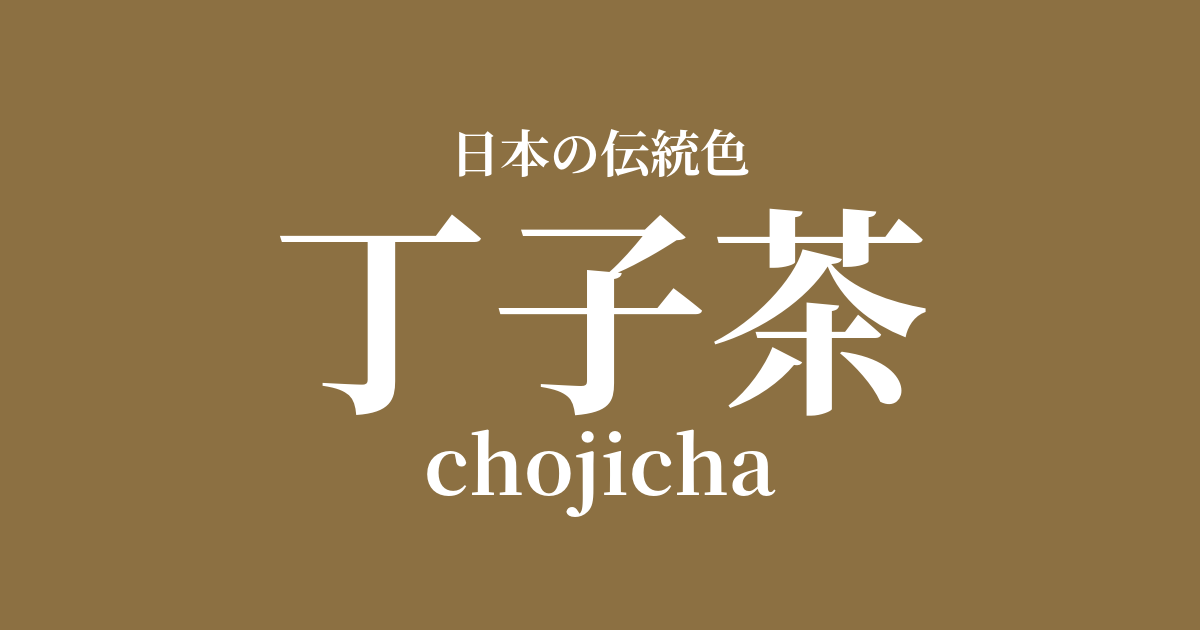
| Japanese color name | Clove tea |
|---|---|
| reading | chojicha |
| HEX | #8C7042 |
| RGB | 140, 112, 66 |
What is clove tea? Origin and etymology
The name "clove tea" comes from its color, which resembles that of dye made from the dried buds of the clove plant, a member of the Myrtaceae family known as a spice. Cloves, also known as cloves in English, have been prized worldwide since ancient times for their unique aroma and medicinal properties. In actual dyeing, it is said that a dye solution made by boiling clove flowers and buds was used, but because cloves were an expensive import, it is said that ordinary people sometimes combined other plant dyes to recreate a similar color.
The "cha" (brown) in the color name indicates that brown tones were extremely popular during the Edo period. At that time, sumptuary laws imposed by the shogunate restricted commoners from wearing brightly colored clothing. As a result, a culture emerged where people expressed individuality through subtle differences in shades of subdued colors such as brown and gray, giving rise to such a diverse range of variations that it was called "forty-eight shades of brown and one hundred shades of gray." Choji-cha (clove brown) is one of the refined colors that emerged during this trend.
Historical background of clove tea
Dyeing with cloves has existed since ancient times, and during the Heian period, its fragrance was highly valued. It was used by the aristocracy as an incense to impart fragrance to clothing and as a dye. During this period, clove dyeing was also believed to have insect-repellent and medicinal properties. There was a strong emphasis on its noble fragrance rather than the color itself.
In the mid-Edo period, clove tea blossomed within popular culture. In particular, the color favored by Kabuki actors, who were fashion leaders of the time, became the cutting edge of fashion. It is said that "Danjuro tea," a color favored by the fifth Ichikawa Danjuro, was also a shade of clove tea. As a result, clove tea was widely accepted among the townspeople of Edo as a "chic" color and was frequently used in kimonos and accessories.
Related literature, waka poetry, and seasonal words
The name "clove" can also be found in literary works from the Heian period. In "The Tale of Genji" and "The Pillow Book," the elegant lifestyle of those who infused their clothes with the scent of cloves is depicted, suggesting that cloves were an important fragrance in the aristocratic society of the time. However, these are mainly descriptions of the fragrance, and the color name "clove tea" does not appear directly.
Edo period humorous books and ukiyo-e prints depict various shades of brown as fashionable colors of the time, and it is believed that clove brown was one of them, adorning people's attire. Although direct mentions are rare, works depicting the customs of the time suggest that this color was deeply rooted in the lives of ordinary people. As a seasonal word, "clove" or "cloves blooming" indicates summer, but this refers to the plant itself, not the color name.
Color scheme preview
This is to check the readability of the text when this color is used as the background.
Clove tea color scheme proposal
Soot bamboo color (#6E583C)
Like clove tea, this brown color was popular during the Edo period. Its subdued hue, reminiscent of bamboo smoked with soot, harmonizes with the warmth of clove tea, creating a refined and calm impression. Combining similar colors results in a harmonious and elegant color scheme.
Blue gold (#FABE29)
The vibrant yellow of turmeric, dyed with turmeric, adds brightness and elegance to the calm tone of clove tea. The colors complement each other, creating a color scheme that is traditional yet modern and lively.
Rusty light green (#698286)
The muted blue-green color, rusty light green, is almost a complementary color to the reddish clove brown. This combination enhances each other's colors, creating an intelligent and profound impression. It's a unique and stylish color scheme that maintains a Japanese aesthetic.
Practical Scenes
In the world of traditional Japanese clothing, clove brown is a classic and popular color for kimonos, obi sashes, and haori jackets. Its subdued hue is easy to wear regardless of age or gender, and it looks especially beautiful in autumn. Adding brighter colors to accessories such as obiage (sash scarves) and obijime (sash cords) can add a stylish accent.
In interior design, clove tea is ideal for creating a warm and relaxing atmosphere. When used on large areas such as wallpaper, curtains, and rugs, it envelops the entire room in a calming ambiance. It also pairs exceptionally well with wooden furniture, contributing to the creation of Japanese modern or natural-style spaces.
In web and graphic design, clove brown is an effective color for conveying trustworthiness, tradition, and a sense of luxury. Using it as a background or key color gives users a calm and sophisticated impression. It is particularly suitable for websites of established brands and companies dealing with natural materials.