
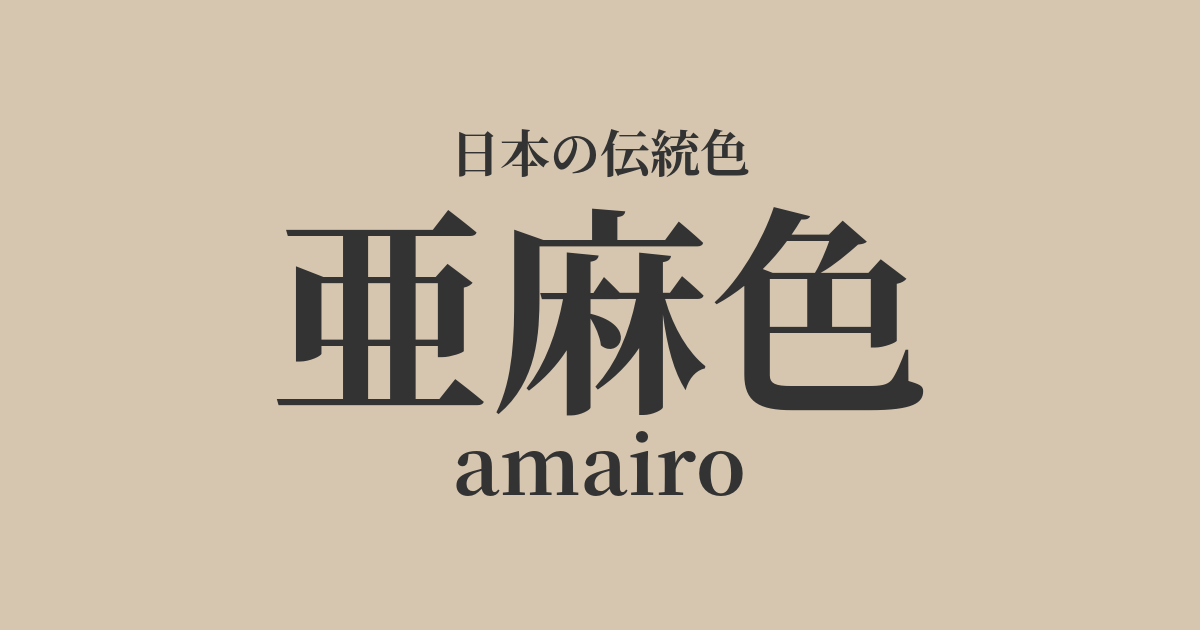
| Japanese color name | Flaxen |
|---|---|
| reading | amairo |
| HEX | #D6C6AF |
| RGB | 214, 198, 175 |
What is flaxen color? Origin and etymology
The color "flaxen" originates from the color of linen, a fiber made from the stems of the flax plant. Flax is considered one of the oldest fibers used by humankind, with its cultivation history dating back to ancient Egypt. In Japan, flax seeds have been found in Jomon period ruins, suggesting that it was a plant that had been involved in people's lives since ancient times. Its natural, simple, yellowish-pale brown hue has become established as a color name.
The historical background of flax
The color name "flaxen" is believed to have become widely used after the Meiji era. With the influx of Western culture, linen became known in Japan, and its natural off-white color is thought to have become established as "flaxen." In particular, the expression "flaxen hair" to describe the beautiful blonde hair of Western women became widespread in literary works, and the color came to be recognized as having a romantic and elegant image.
Related literature, waka poetry, and seasonal words
When discussing flaxen hair, it's essential to mention Claude Debussy's piano piece, "The Girl with the Flaxen Hair." The beautiful melody and poetic title of this piece have made "flaxen" a globally recognized color symbolizing beautiful blonde hair. In modern Japanese literature, the phrase "flaxen hair" is also used in the works of Akiko Yosano and others to express Western beauty, portraying it as a color associated with longing and exoticism.
Color scheme preview
This is to check the readability of the text when this color is used as the background.
Flaxen-colored color scheme proposal
Moss color (#69821B)
Flaxen and moss green are both earth tones found in nature, and when combined, they create a calm and peaceful impression. They are suitable for creating a natural and relaxed atmosphere in interior design and fashion.
Pink (#E6A3B2)
The simple, rustic flaxen color, combined with the gentle, lovely pink of the carnation, creates a warm, feminine impression. Using it as an accent color in children's clothing, accessories, or web design can convey a sense of approachability.
Indigo (#274054)
By combining a bright, soft flaxen color with a deep, calming indigo blue, an elegant contrast is created where each color enhances the other. This color scheme gives a sophisticated impression, whether in traditional kimono combinations or modern graphic designs.
Practical Scenes
When flaxen-colored kimonos and obi sashes are used, their natural hue makes them easy to harmonize with other colors. They are particularly well-suited to outfits that highlight the texture of materials such as pongee silk and linen kimonos, and offer the pleasure of expressing seasonality through obi sashes and accessories. While not flashy, it is a valuable color known for its elegance and timeless appeal.
In interior design, incorporating this color into wallpaper, curtains, and linen fabrics brings brightness and warmth to a space. It pairs exceptionally well with wooden furniture and is a popular base color for natural and Scandinavian-style interiors. It's a color that contributes to creating a relaxing atmosphere.
In web design, using it as a background color enhances the content while creating a calm and soothing impression. It is highly compatible with minimalist and sophisticated designs, as well as the brand image of websites dealing with organic products. It creates a warm atmosphere while maintaining readability.