
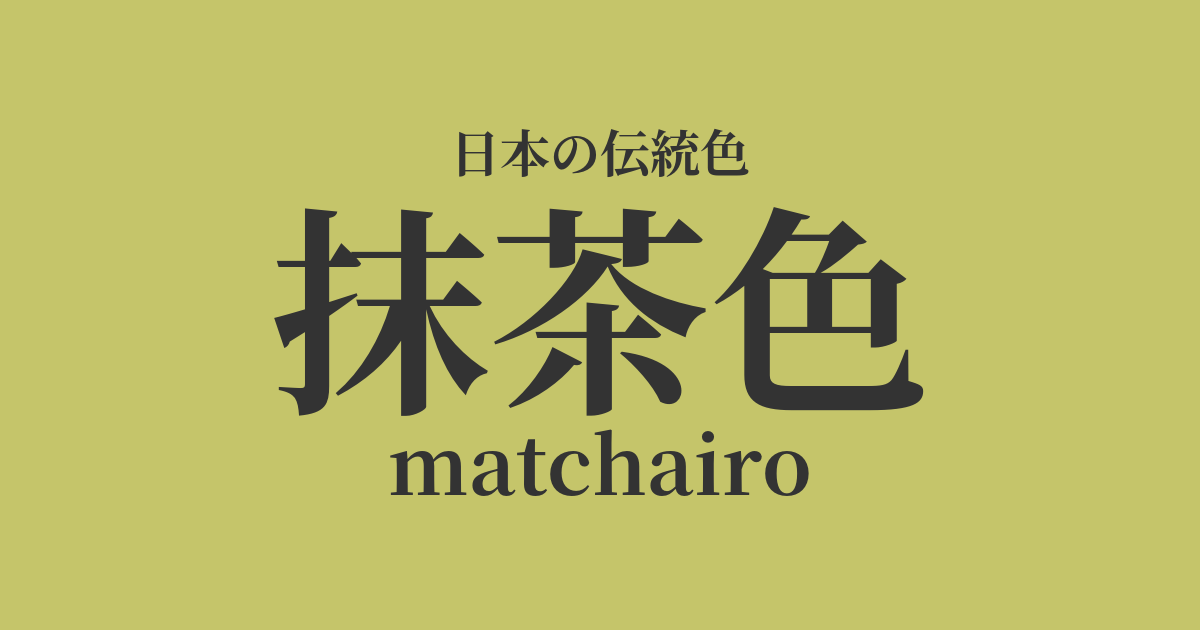
| Japanese color name | Matcha green |
|---|---|
| reading | matchairo |
| HEX | #C5C56A |
| RGB | 197, 197, 106 |
What is matcha green? Origin and etymology
Matcha green, as the name suggests, derives from the color of matcha powder used in the Japanese tea ceremony. Matcha is a fine powder made by steaming and drying tea leaves (called tencha) grown in the shade, and then carefully grinding them with a stone mill. The deep yet gentle yellowish-green color of this powder is the origin of the term "matcha green." It is a visually very easy-to-understand name, and along with the spread of Japanese tea culture, especially the tea ceremony, it has become a color name that has deeply permeated people's lives.
The historical background of matcha green
The consumption of matcha was introduced to Japan during the Kamakura period along with Zen Buddhism, but the color name "matcha-iro" (matcha green) only became widely established during the Edo period. As tea ceremony culture spread not only among the samurai and court nobles but also among the townspeople, matcha became more familiar. Along with this cultural expansion, "matcha-iro," referring to the color of matcha powder, came to be used as a color expression for kimonos, pottery, and Japanese sweets.
It is thought that these color names, being easy to understand and rooted in everyday life, naturally became widespread among ordinary people.
Related literature, waka poetry, and seasonal words
In the world of haiku, "matcha" (green tea) is sometimes used as a seasonal word for summer. In particular, phrases such as "cold matcha" and "preparing thin matcha" are often used to describe scenes that evoke the coolness and tranquility of summer. While the direct color name "matcha green" rarely appears in classical Japanese poetry or stories, its deep, calming green color plays an important role as a background in depictions of the tea ceremony culture. Literary descriptions of tea convey the quiet and refined worldview that this color embodies.
A quiet evening, as I prepare my matcha tea.
Color scheme preview
This is to check the readability of the text when this color is used as the background.
Matcha color scheme proposal
Maroon (#764D3B)
Matcha and chestnut are a classic combination in Japanese confectionery. Combining them with the chestnut color, reminiscent of the pillars and utensils of a tea room, creates a calm, profound, and traditional Japanese atmosphere. The colors complement each other, giving an elegant and refined impression.
Generated color (#FBF9F4)
The soft, natural white of this color brightens the gentle green of the matcha, creating a clean and natural atmosphere. It's suitable for Japanese modern interiors and web designs, giving a gentle and sophisticated impression. The color scheme also conveys the quality of the materials.
Plum blossom color (#F2A0A1)
The green of matcha and the pink of red plum blossoms have a near-complementary color relationship, reminiscent of plants and flowers in nature. This color combination makes each color appear more vibrant, evoking a sense of vibrancy and vitality, like the arrival of spring. When incorporated into Japanese clothing or accessories, it creates a lovely and striking combination.
Practical Scenes
In traditional Japanese clothing, matcha-colored kimonos and obi sashes exude a calm and elegant atmosphere, making them suitable for occasions such as tea ceremonies. They are easy to wear regardless of the season, but they harmonize particularly well with nature during the season of fresh greenery, creating a beautiful look. Pairing them with gold or silver thread obi sashes gives them a dignified appearance, while pairing them with off-white or brown obi sashes creates a more natural impression.
Incorporating matcha green into your interior design can create a relaxing, Japanese-style space. It's particularly effective as an accent color for wallpaper, curtains, and cushions. It pairs exceptionally well with wooden furniture and natural materials such as bamboo and washi paper, creating a calm and peaceful atmosphere.
In web design, it is suitable for sites that want to convey trustworthiness, security, and tradition. While using it as the main color can sometimes be too subdued, it is most effective when used as an accent color or as part of the background. Combining it with white or beige tones creates a clean, sophisticated, and modern Japanese aesthetic.