
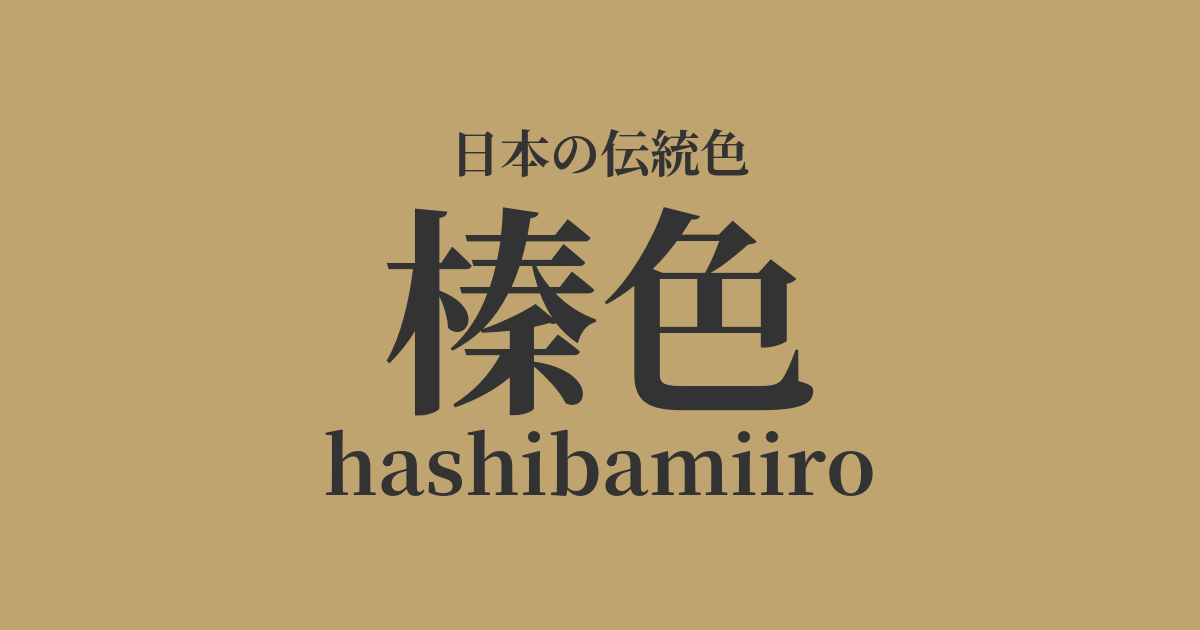
| Japanese color name | light brown |
|---|---|
| reading | hashibamiiro |
| HEX | #BFA46F |
| RGB | 191, 164, 111 |
What is "Hazelnut Color"? Origin and Etymology
As its name suggests, the color "haru-iro" (澛色) is derived from the color of the fruit of the hazelnut tree (澛), a plant belonging to the birch family. The hazelnut fruit is shaped like an acorn and changes from a greenish state before ripening to a brown color after ripening. Haru-iro refers to the dull yellowish-brown hue seen during this process. It is close to the color of the fruit known as hazelnut in English-speaking countries, and has become established as a simple and warm color name that evokes a sense of nature's bounty.
The alder tree has been growing wild in Japan since ancient times, and its fruits have been used for food, while its wood has been used for tools and other items. Because it was a plant that was so close to people's lives, it is thought that the color of its fruits naturally came to be recognized as a dye color and color name. In dyeing, the bark and fruit husks of the alder tree were used as dyes, and it has been cherished as one of the earth tones that evoke the earth and trees.
The historical background of the hazel color
The color name "hazelnut color" is believed to have first appeared in literature relatively recently, during the Meiji era. It is difficult to find this name clearly written in dye samples or documents from the Edo period or earlier. However, the hazelnut tree itself has been growing wild in Japan since ancient times, and it is a plant that has been familiar to people since antiquity, as it is mentioned as "hani" in the Manyoshu, an ancient collection of Japanese poetry.
During the Meiji period, with the introduction of chemical dyes from the West and the active exchange of color cultures, traditional Japanese color names were re-evaluated and organized. In this process, it is presumed that a concrete and easily recognizable color, like that of the hazelnut tree, was named "Hazelnut Color" and became established as one of the traditional colors. It can be said that this is a color name born in the modern era, in line with the Japanese tradition of naming colors after natural features.
Related literature, waka poetry, and seasonal words
While the color name "hazel" (檛色) is not often used directly in literary works, the plant from which it derives its name, "hazel" (檛), has been celebrated in waka poetry since ancient times. In the Manyoshu anthology, it appears as "hani," depicting the vitality of its young leaves in spring and its familiar role as a tree planted in people's gardens. These poems suggest that the hazel tree was deeply rooted in the lives of people in ancient times.
In the world of haiku, "alder blossoms" are known as a seasonal word for spring. On the other hand, the fruit from which the color alder gets its name ripens in autumn, so the color itself strongly evokes the bountiful autumn harvest. Although there are few direct literary references to it, alder yellow can be seen as a gentle color that particularly symbolizes the season of harvest amidst the changing seasons of Japan.
If the young leaves of the alder tree grow lush around my house, the nightingale will come and sing, its voice clear and beautiful.
Color scheme preview
This is to check the readability of the text when this color is used as the background.
A color scheme proposal in hazelnut green.
Chestnut skin tea (#6D3C32)
Combining it with chestnut tea, which also derives its color from nuts, creates a calm and deep color scheme reminiscent of a deepening autumn forest. The combination of earth tones creates a sense of unity and gives a calm impression.
White training (#F3F3F3)
When combined with pure and bright white, the warmth and simplicity of hazelnut yellow are highlighted, creating a refined and elegant impression. It creates a natural yet bright and light atmosphere.
Moss color (#69821B)
By adding mossy green, which evokes the vitality of plants, to the earthy color of hazelnut, a vibrant color scheme is created that resembles a snapshot of a natural landscape. The colors complement each other, creating a peaceful and calming space.
Practical Scenes
In traditional Japanese clothing, hazelnut green is used for obi sashes, obi ties, and as the base color for everyday kimonos such as tsumugi and komon. Its subdued hue is perfect for expressing the feeling of autumn, and when combined with other rich colors, it creates an elegant and sophisticated look. In Western clothing, it pairs well with warm materials such as trench coats and knitwear.
In interior design, using hazelnut yellow in large areas such as wallpaper, curtains, and rugs brings a warm and gentle atmosphere to the entire space. It also pairs exceptionally well with wooden furniture and houseplants, contributing to the creation of a natural and relaxing space. Incorporating it as an accent in cushions and small accessories is also effective.
In web design and graphic design, hazelnut green can be used as a background color to create a visually pleasing screen that highlights content while being easy on the eyes. It's particularly effective when used on websites for organic products or lifestyle brands, conveying a natural and honest image. It's a suitable color when you want to inspire trust and a sense of security.