
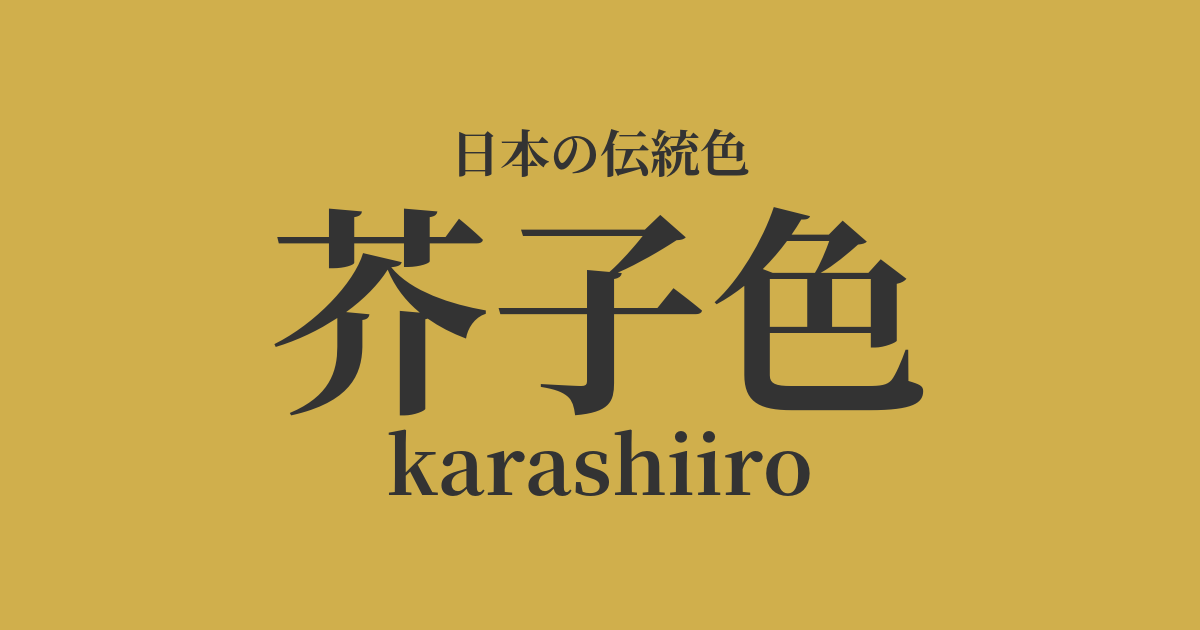
| Japanese color name | Mustard color |
|---|---|
| reading | karashiiro |
| HEX | #D0AF4C |
| RGB | 208, 175, 76 |
What is mustard yellow? Origin and etymology
Mustard yellow is a slightly greenish, muted yellow color, reminiscent of the Japanese mustard, a well-known spice. As the name suggests, it derives from the color of the paste-like spice made by grinding the seeds of the mustard plant (Brassica juncea), a member of the Brassicaceae family. In English, it is called "mustard yellow," and it is a color name that is widely recognized worldwide. With its direct and easy-to-understand origin, it can be said to be one of Japan's traditional colors that is deeply intertwined with food culture.
The historical background of the mustard yellow color
Mustard yellow is said to have been one of the popular colors in the mid-Edo period. At that time, sumptuary laws issued by the shogunate restricted commoners from wearing brightly colored clothing. As a result, people began to find enjoyment in subtle differences in muted colors such as brown and gray, giving rise to a diverse range of colors known as "forty-eight browns and one hundred grays." Mustard yellow was one of these colors, and it was widely loved in Edo townspeople's culture as a sophisticated color that expressed individuality while remaining understated.
In particular, it is said that the first Nakamura Utaemon, a popular Kabuki actor of the Edo period, favored this color, and it was also known by the nickname "Utaemon-cha" (Utaemon's tea). It is a color that symbolizes the culture of the time, in which the preferences of actors and stage costumes greatly influenced the fashion of the common people. This color was used in various items such as kimonos, obi sashes, and accessories, and its popularity is depicted in ukiyo-e prints.
Related literature, waka poetry, and seasonal words
The color mustard yellow is a relatively new color name that became popular during the Edo period, and therefore does not appear in classical literature such as the Heian period's "The Tale of Genji." However, Edo period humorous books, comic books, and ukiyo-e prints sometimes depict figures wearing mustard yellow kimonos, reflecting the fashion of the time. These works are valuable historical documents that illustrate how mustard yellow was accepted as a stylish color among townspeople.
While "poppy" as a seasonal word refers to summer (poppy flower) and spring (poppy greens), "poppy color" itself is not established as a seasonal word representing a specific season. However, because its hue evokes images of abundance and harvest, it tends to be favored in modern fashion and design, especially in autumn. As a color that combines calmness and warmth, it is well-suited for expressing a sense of the season.
Color scheme preview
This is to check the readability of the text when this color is used as the background.
A mustard yellow color scheme suggestion
Indigo (#243A6A)
The mustard yellow and indigo blue tones are close to complementary colors, vividly enhancing each other's beauty. This classic combination, favored by the refined tastes of Edo, gives a calm yet modern and sophisticated impression. The strong visual contrast makes for a striking color scheme.
Dark brown (#6F4B3E)
The combination with dark brown, which belongs to the same earth tones, creates a natural and warm harmony. The calm color scheme, reminiscent of an autumn landscape, gives the viewer a sense of reassurance and depth. It's a versatile combination that's easy to use in various settings, such as fashion and interior design.
Grape Rat (#725F66)
Grape-gray, a purplish-gray color, combined with the yellow of mustard yellow, creates an elegant and sophisticated atmosphere. The combination of low-saturation colors provides a sense of unity while maintaining a unique and distinctive impression. It is suitable for adult attire and chic designs.
Practical Scenes
In the world of traditional Japanese clothing, mustard yellow has been a popular color since the Edo period and is still widely used today in kimonos, obi sashes, and accessories such as obiage (sash ties). It is especially valued as a color to match the autumn season and is perfect for expressing a calm, mature sophistication. By combining it with indigo or brown tones, you can enjoy a classic yet timeless look.
In interior design, mustard yellow is effective as an accent color. Incorporating mustard yellow into one wall, cushions, or rugs can bring warmth and tranquility to a space. It pairs well with wooden furniture and houseplants, and harmonizes with a wide range of styles, from natural modern to retro and Scandinavian.
In web and graphic design, this color is effective when you want to convey friendliness and trustworthiness. It is particularly well-suited to content related to traditional crafts, food, and lifestyle. It functions as both a main color and an accent color, and when combined with white or dark gray, it creates a highly visible and sophisticated impression.