
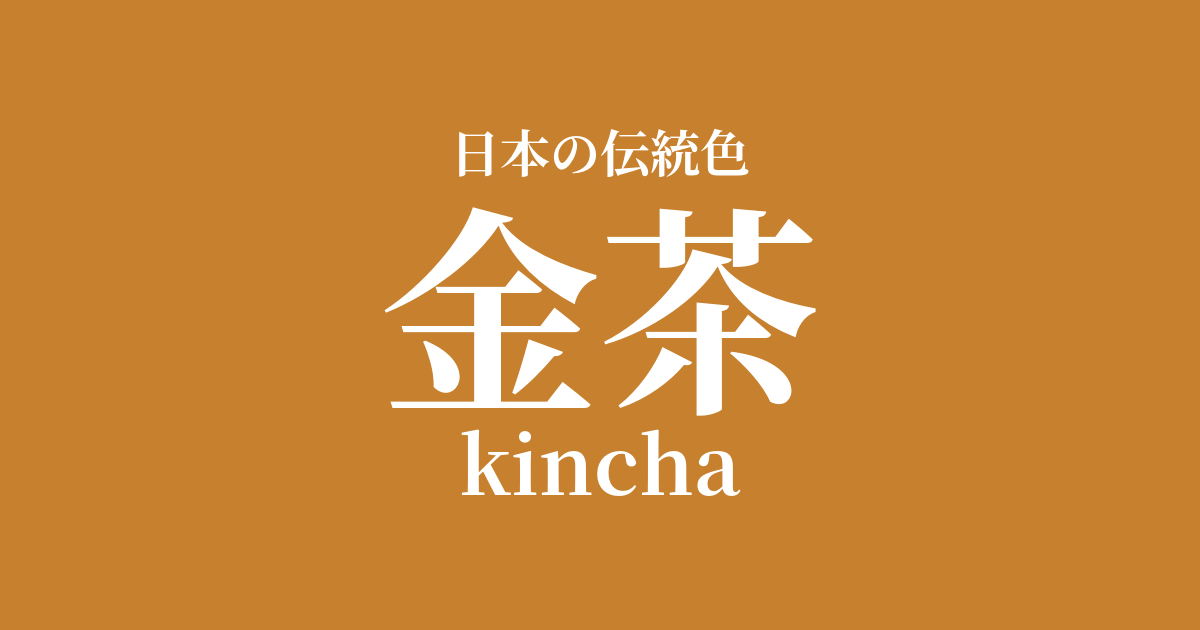
| Japanese color name | Golden tea |
|---|---|
| reading | kincha |
| HEX | #C7802D |
| RGB | 199, 128, 45 |
What is Kincha? Origin and etymology
Kincha, as its name suggests, is a color name derived from its visual impression of being "a brown with a golden sheen." This unique hue was mainly achieved by dyeing with plant dyes such as gardenia fruit and dwarf jasmine. The yellow pigment contained in gardenia, in particular, is considered to be an important element in creating the vivid and radiant color. It can be said that this color was born from the ingenuity and aesthetic sense of Edo period craftsmen who tried to express the brilliance of gold using only dyeing techniques, without using gold thread or gold leaf.
Historical background of golden tea
The widespread popularity of golden brown (kincha) dates back to the mid-Edo period. Due to sumptuary laws imposed by the shogunate, the use of gold and silver threads and bright primary colors was frequently restricted. As a result, townspeople created endless variations within the brown and gray tones, building a refined and stylish color culture that was understated yet sophisticated. Golden brown was one of the popular colors known as "forty-eight shades of brown and one hundred shades of gray," and it is said that it became widely known among the common people of Edo, especially after Kabuki actors used it in their stage costumes.
Related literature, waka poetry, and seasonal words
Since the color name "kincha" (golden brown) was established during the Edo period, there are very few direct examples of its appearance in earlier waka poetry or classical literature. However, figures wearing golden brown kimonos are frequently depicted in works reflecting townspeople's culture, such as late Edo period sharebon (humorous books), kibyoshi (yellow-covered books), and ukiyo-e (woodblock prints). These visual materials suggest that golden brown was recognized as a stylish and vibrant color in the fashion of the time, adding color to people's lives.
Although it is not specifically designated as a seasonal word, its colors evoke the image of autumn harvest.
Color scheme preview
This is to check the readability of the text when this color is used as the background.
Golden brown color scheme proposal
Dark brown (#6F4B3E)
The vibrant elegance of the golden brown is balanced by the deep dark brown, creating a dignified and calm impression. Suitable for traditional Japanese spaces and designs with a sense of grandeur, this combination of similar colors enhances each other's beauty.
Lapis Lazuli (#1F4788)
The warm, yellowish tones of golden brown and the cool, deep blue of lapis lazuli create a vivid contrast. Each color stands out, resulting in a modern and striking color scheme. It offers high visibility and is effective as a design accent.
White training (#FCFAF2)
When paired with a pure and bright white, the elegance and warmth of golden brown are further enhanced. This color scheme creates a light and sophisticated atmosphere, adding a touch of glamour while maintaining a sense of cleanliness.
Practical Scenes
In the world of traditional Japanese clothing, golden brown is used in formal kimonos, casual kimonos, obi sashes, and haori jackets, creating an elegant yet dignified look. It is especially favored as a color that expresses the feeling of autumn, and it pairs well with other autumn colors such as deep green and maroon.
In interior design, incorporating accent walls, cushions, rugs, and other fabrics brings warmth and a sense of luxury to a space. It harmonizes particularly beautifully with natural materials such as wooden furniture and Japanese paper lighting.
In web design and graphic design, it can be used as a key color for brands that want to convey trustworthiness and tradition. By using it as a background color, heading, or button, it can attract the user's attention while creating a calm and sophisticated impression.