
| Japanese color name | winter sky |
|---|---|
| reading | fuyuzora |
| season | 冬 |
| Color of the table | blue (ao) |
| Back color | White (shiro) |
What is a winter sky? Origin and etymology
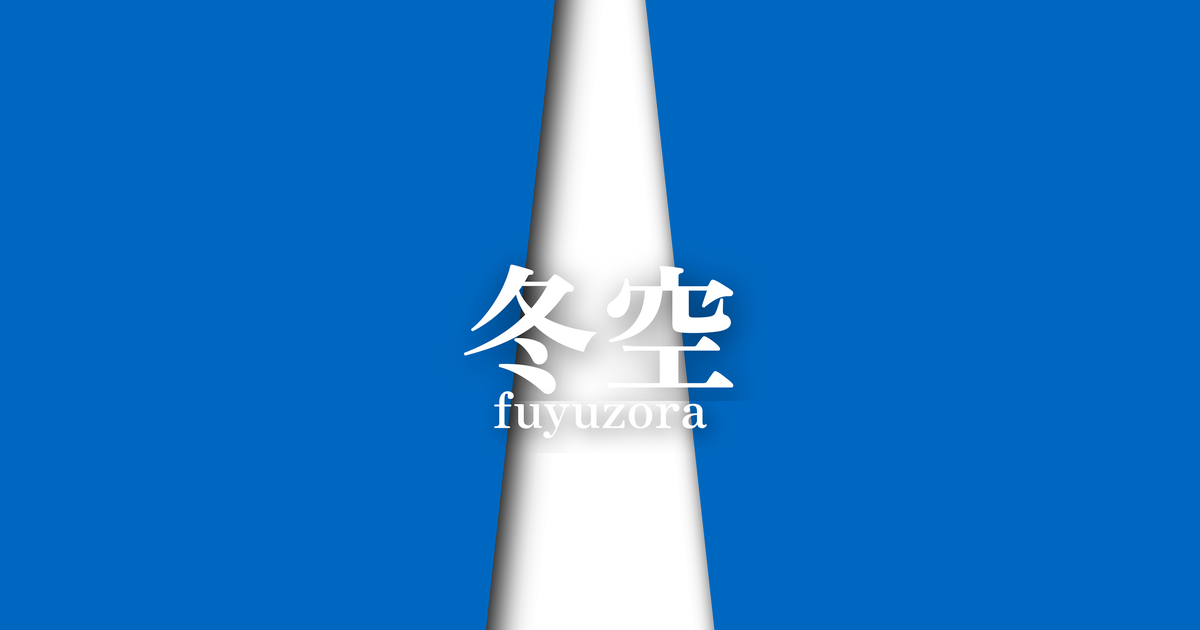
The name "Winter Sky" literally represents the color of the clear winter sky. The deep blue on the front symbolizes the crisp, clear winter sky in the biting cold. The white on the back evokes the clouds floating in that sky and the snow piled up on the ground. This combination of two colors beautifully expresses a winter scene with a dignified stillness and a sense of pure air. This color scheme is one that strongly reflects the delicate aesthetic sense of the Heian aristocracy, who incorporated natural landscapes into the color schemes of their clothing.
Historical background of winter sky
The layered color schemes of the Heian period, which developed amidst the maturation of Japanese culture, are a manifestation of the refined aesthetic sensibilities of the aristocracy. They were keenly aware of the changing seasons and reflected them in the color schemes of their clothing, demonstrating their education and rich sensibilities. Color schemes like "winter sky" are thought to have been worn for winter court ceremonies and everyday attire.
However, it is not certain in which specific document the term "winter sky" first appeared, but it is said that the combination of blue and white used to represent the winter sky was a common color scheme also seen in other winter colors.
Related literature, waka poetry, and seasonal words
Many literary works from the Heian period praise the beauty of the winter sky. In "The Pillow Book," the scene of a winter morning is described with the lines, "In winter, the morning is the best. The falling snow is beyond description, and the frost is so white, and even without it, it is so cold..." While the color of the "winter sky" doesn't directly appear in this passage, the description of the whiteness of the frost and the crisp, cold air resonates with the pure and refreshing image associated with the winter sky.
In Japanese poetry, there are many poems that use the winter sky and snow as their theme, suggesting that people at that time had a deep interest in the colors of this season.
The winter night sky is clear and bright, with snow falling in the moonlight.
Winter Sky Season and Scenery
"Fuyuzora" (winter sky) is, as the name suggests, a combination of colors worn during the winter season. Specifically, it is said to have been used from October to December in the old lunar calendar, which corresponds to roughly November to January of the following year in the current calendar. This color combination represents the winter sky when the cold becomes severe and the air becomes clear. The blue on the outside represents the color of the cold, crisp sky, while the white on the inside symbolizes the whiteness of thin clouds, falling snow, or frost covering the ground.
The serene and pure beauty of winter nature is reflected in the attire, creating an air of dignified elegance.
Winter Sky Color Scheme Proposal
Silver mouse (#AFB1B4)
Adding a silver-gray with a cold, metallic sheen to the blue and white of the winter sky further emphasizes the crisp, clear atmosphere of winter. It gives a serene and modern impression, bringing a sophisticated feel to winter clothing and designs.
Withering color (#8D6449)
By combining muted colors reminiscent of withered trees and the earth under a clear winter sky, you can add depth and warmth to a winter scene. The addition of warm brown tones to the cool blues and whites creates a calm and stable color scheme.
Plum blossom color (#E16B8C)
This color scheme incorporates a touch of plum blossom pink as an accent color, evoking the first signs of spring amidst the harsh winter. A vibrant accent is created in the stillness of the winter sky, conveying a sense of life's breath. It is effective in expressing anticipation for early spring.
Practical Scenes
In the Heian period, the "winter sky" color combination was likely used for court ladies' attire, such as the uchiki (a type of kimono), in public and private gatherings during the winter season. Its clear and pure color scheme was considered suitable for expressing the wearer's intelligence and dignity. In modern times, this blue and white combination is incorporated into kimonos and Japanese accessories to evoke a wintery feel. Furthermore, in interior design, it can be used as a color scheme to create a quiet and calming space.
In web design and graphic design, it is effective in conveying a clean and trustworthy image.