
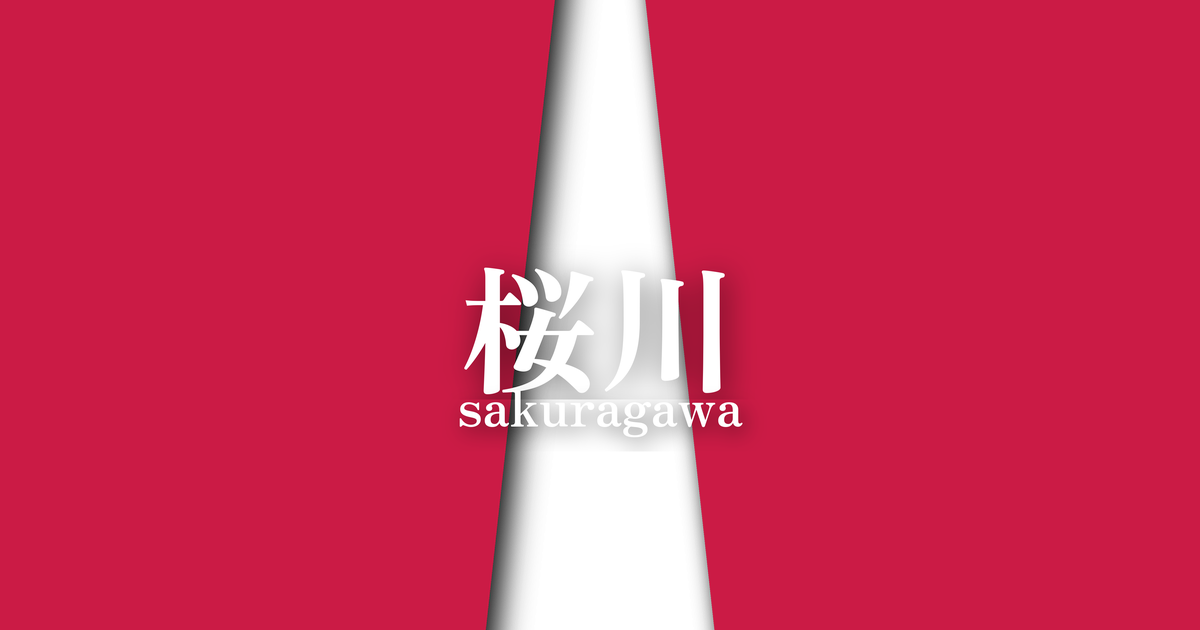
| Japanese color name | Sakuragawa |
|---|---|
| reading | sakuragawa |
| season | 春 |
| Color of the table | Beni (beni) |
| Back color | White (shiro) |
What is Sakuragawa? Origin and etymology
"Sakuragawa" is a color combination inspired by the beautiful scene of cherry blossoms in full bloom at the height of spring fluttering and floating on the surface of a river. Its name is directly derived from this picturesque natural scenery. The vibrant "crimson" used on the outside is thought to symbolize the fully bloomed cherry blossoms, while the "white" of the lining is thought to symbolize the clear flow of the river, the light reflected on the water's surface, or the appearance of the scattered petals. It is a color scheme that embodies a Japanese aesthetic, where splendor and transience coexist.
Historical background of Sakuragawa
In the aristocratic society of the Heian period, a culture of "kasane no irome" (layered color schemes) flourished, where people delicately perceived the changing seasons and expressed them through the color combinations of their clothing. "Sakuragawa" (cherry blossom river) was considered particularly elegant among the many spring color schemes and was mainly used for women's attire such as uchiki (a type of kimono). It was worn at occasions that valued the sense of the season, such as cherry blossom viewing parties held at the imperial court and spring celebrations, and was an important element in demonstrating a person's education and aesthetic sense.
This color scheme conveys to the present day the refined sensibilities of the Heian aristocracy, who skillfully incorporated the beauty of nature into their daily lives.
Related literature, waka poetry, and seasonal words
The name "Sakuragawa" has long been known as a poetic place name, and has been featured in many waka poems as a river flowing through Hitachi Province (present-day Ibaraki Prefecture). Although it is difficult to find clear descriptions of the color combination "Sakuragawa" directly appearing in Heian period literary works, the scene of cherry blossoms fluttering down is beautifully depicted in many works, including "The Tale of Genji" and "The Pillow Book."
Imagining the elegant colors that served as the backdrop for the characters' costumes can help you appreciate classical literature on a deeper level.
Sakuragawa River, waves rolling by, the fragrance of blossoms reflected in the spring rain, white waves of water.
Seasons and Scenery of Sakuragawa
"Sakuragawa" is a color scheme best suited for wearing in spring, especially from late March to April, when the cherry blossoms are in full bloom and the petals begin to fall. The red on the outside represents the vitality and splendor of the cherry blossoms, while the white on the inside expresses the transience of the falling petals and the purity of the river surface, beautifully reflecting the two aspects of spring.
Wearing these colors was not merely about dressing up, but about embodying a uniquely Japanese aesthetic: the beautiful fleeting moments of nature.
Sakuragawa's color scheme proposal
Light green (#A5C94D)
The combination of cherry blossoms and young leaves evokes a vibrant scene of spring in full bloom. The splendor of the crimson is complemented by the youthfulness of the light green, creating a fresh and bright color scheme. It is suitable for designs that celebrate the arrival of spring.
Light green onion (#00A3AF)
The light blue color, reminiscent of a clear spring sky and a pristine stream, brings freshness and transparency to the Sakuragawa color scheme. The warmth of the crimson and the coolness of the light blue contrast with each other, creating a sophisticated and elegant combination where each color enhances the other.
Yamabuki (#FFBF00)
This combination features the colors of cherry blossoms and Japanese kerria flowers, which bloom around the same time. As these are the colors of flowers that represent spring, it creates a very vibrant and festive atmosphere. The warm colors harmonize beautifully, leaving the viewer with a warm and happy impression.
Practical Scenes
During the Heian period, it was primarily used as a layering garment for the uchigi, a formal kimono worn by women. The glimpse of the white lining peeking out from the cuffs and hem, swaying with every step, is thought to have created an elegant effect reminiscent of cherry blossoms fluttering in the wind. This attire, which accurately captured the season, was considered a reflection of the wearer's refined aesthetic sense.
In modern times, incorporating this color scheme into traditional Japanese clothing accessories such as kimonos, obi sashes, and obiage (sash ties) allows you to enjoy a stylish spring look. It can also be applied to Japanese-style interiors, web design, and product packaging. This color scheme is particularly effective when you want to convey the traditional image of spring in Japan in a vibrant and elegant way.