
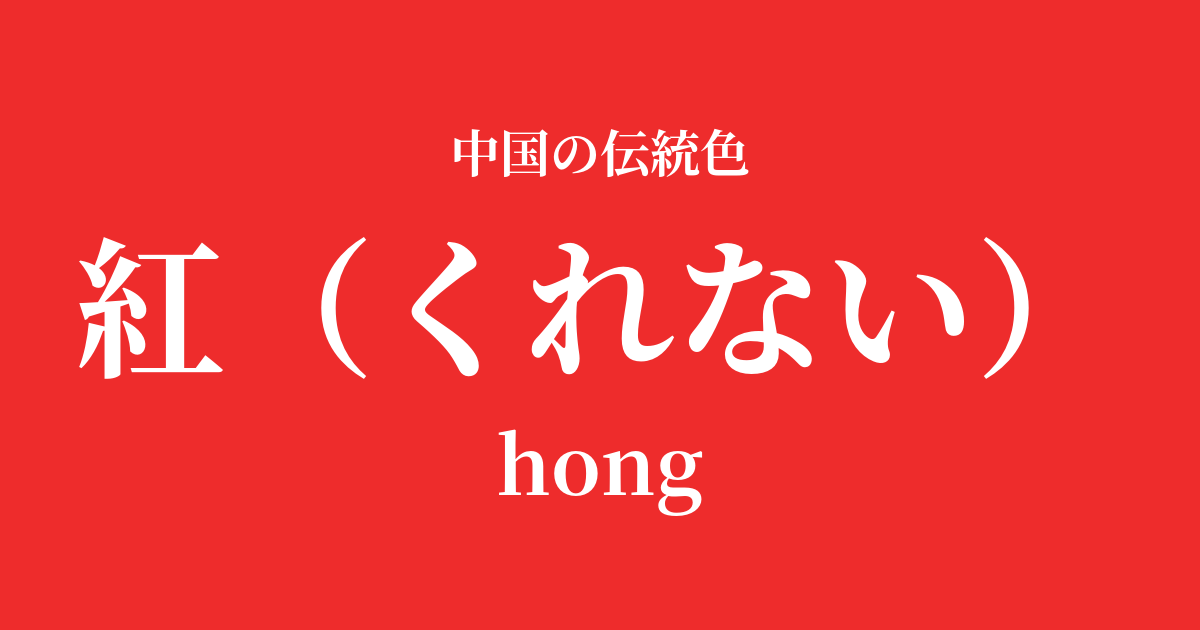
| Color name | 紅 |
|---|---|
| reading | They won't give it to me |
| pinyin | Hong |
| HEX | #EE2C2C |
| RGB | 238, 44, 44 |
What does "red" mean? Origin and etymology
"Red" is one of the most symbolic colors that forms the foundation of Chinese culture. Its etymology lies in the process of dyeing silk threads. As can be seen from the character "红" (hong), which is written with the radical for "thread" and the character for "work," it originally referred to a color dyed by human hands, especially a vivid red color dyed using madder or safflower.
In ancient China, the colors of fire and blood found in nature were called "red," distinguishing them from "red," the color used in dyes. However, as time passed, this distinction gradually faded, and today "red" is the most common term used to represent the color red in general. It is a color deeply etched in people's hearts as a symbol of vitality, passion, and good fortune.
This color is more than just a color; it is deeply connected to the spirituality and aesthetic sensibilities of the Chinese people. It is an indispensable color for celebrations, expressing joy, happiness, and hope for the future. This vibrant yet warm red has a special power to uplift and energize the hearts of those who see it.
The historical background of red
The history of "red" is closely intertwined with Chinese thought and the changes in dynasties. In ancient Five Elements philosophy, red was associated with the element of "fire" and was considered the color of the Vermilion Bird, the mythical creature that guards the south. As a color symbolizing the dynamism of life and the energy of creation, it was considered sacred from an early stage.
During the Zhou Dynasty, red was considered one of the most revered colors and was used in ceremonial clothing and decorations. There is a legend that Liu Bang, the founder of the Han Dynasty, referred to himself as the "Son of the Red Emperor," and red established itself as a color symbolizing the legitimacy and authority of the dynasty.
During the Tang Dynasty, high-ranking officials wore red robes, and in the Ming and Qing Dynasties, red, along with yellow which symbolized the emperor's authority, played an important role in palace architecture. The fact that the walls and pillars of the Forbidden City in Beijing are painted red demonstrates the authority and protective power that this color possesses.
Red became widely recognized as an auspicious color not only in the imperial court but also among the common people. Especially during the Spring Festival (Lunar New Year), red lanterns, decorations, and red envelopes (hongbao) fill the streets, creating a joyous atmosphere to celebrate the new year. In weddings, brides also wear red dresses to celebrate their new beginnings. In this way, red has been associated with the desire for happiness in all aspects of people's lives throughout Chinese history.
Red in Chinese art and crafts
In the world of Chinese art and crafts, "red" has always stimulated the creativity of artists. In the field of ceramics in particular, producing a beautiful red color required extremely advanced techniques. "Saikouyuu," perfected during the Ming Dynasty, and "Langyao Hong," fired during the reign of Emperor Kangxi of the Qing Dynasty, are known for their deep, vibrant red color and are considered treasures in the history of ceramics.
In clothing culture, "red" is an indispensable color. The luxurious red Hanfu and Qipao worn by brides at weddings are symbols of happiness and prosperity. Furthermore, the technique of dyeing silk fabrics red has been developed since ancient times, and the lustrous red silk fabrics have captivated many people, from court ladies to commoners.
In painting, red is effectively used as a vibrant accent for flowers and birds in meticulous brushwork, and as a finishing touch for clothing in portraits. Furthermore, the red ink used in calligraphy and painting is a crucial final touch that tightens and completes the work. Thus, in various fields of art, "red" imbues a powerful sense of vitality and splendor.
Hidee flower red katsuhi, Harukie water green color blue
Color scheme preview
This is to check the readability of the text when this color is used as the background.
Red color scheme suggestion
Yellow (#FFD700)
Red and yellow are one of the most auspicious color combinations in China. They evoke an atmosphere of wealth, authority, and festivity, giving an impression of splendor, grandeur, and prestige.
Peacock Green (#008B8B)
The vibrant "red" and the deep, calming "peacock green" are almost complementary colors that enhance each other's beauty. They create an impressive space that is both traditional and modern and sophisticated.
Black (#3E3A39)
The powerful "red" is toned down by "black," creating a dignified and refined atmosphere. The passionate red is combined with tranquility and grace, giving it a sophisticated and high-class impression.
Practical Scenes
Due to its strong presence, the color "red" can be used effectively in a variety of situations.
In interior design, it's recommended to use this color as an accent rather than throughout the entire space. For example, painting just one wall this color, or using it strategically in cushions, rugs, or artwork, can bring vibrancy and elegance to the entire room. In particular, combining it with materials such as dark brown wood, black, and gold can create a sophisticated and luxurious feel.
In fashion, red is the perfect color to express confidence and energy. A red dress or coat is ideal for special occasions. In everyday outfits, simply incorporating it as a scarf, bag, shoes, or lip color can instantly elevate your look and add a passionate touch.
In website and graphic design, it's effective when used on elements you want to attract user attention. Using it on purchase buttons or important headlines can guide the user's gaze and encourage action. It's also suitable as a key color for announcing festive events or for brands that want to convey strength and passion.