
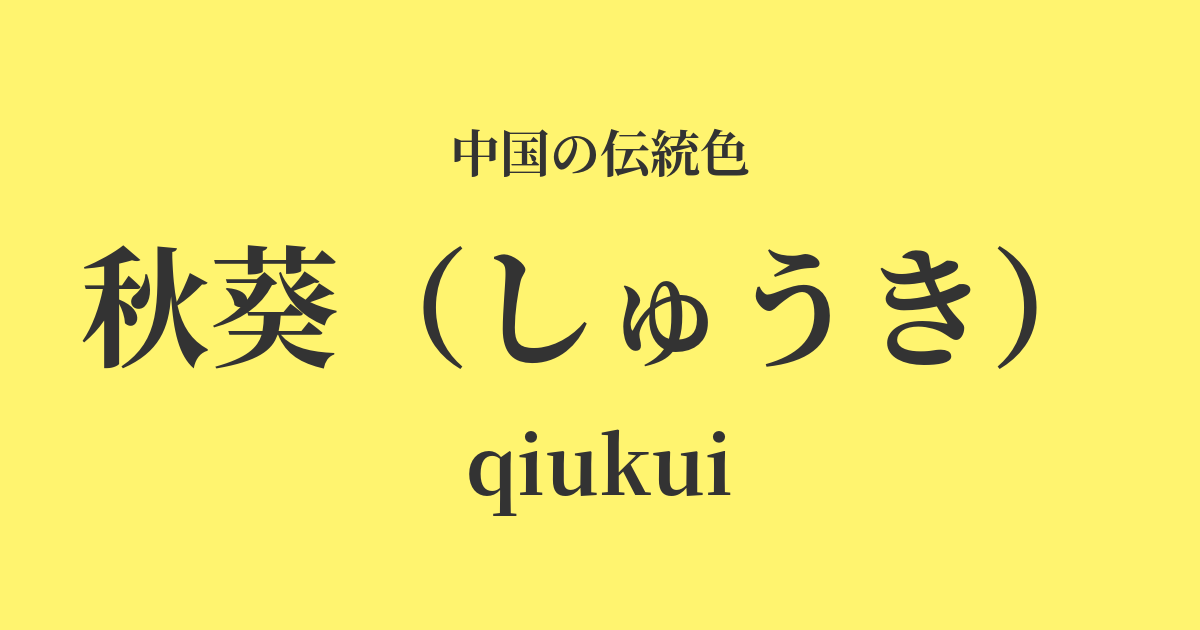
| Color name | Autumn Aoi |
|---|---|
| reading | Shuuki |
| pinyin | qiukui |
| HEX | #FFF46F |
| RGB | 255, 244, 111 |
What is Aquila? Origin and Etymology
As the name suggests, "Shūki-iro" (秋葵色) is a pale, gentle yellow color derived from the color of the "autumn hollyhock" flower.
Specifically, it refers to the beautiful creamy color of the petals of the tororo aoi (Abelmoschus manihot, or yellow hibiscus in Chinese), a plant belonging to the Malvaceae family. This flower blooms from summer to autumn, and its ephemeral yet elegant appearance has been loved by people since ancient times.
While not flashy, this gentle and warm color evokes a sense of nature's bounty and the changing seasons, soothing the hearts of those who see it.
Historical background of the autumn hollyhock
Autumn hollyhock green is known as a color that was particularly beloved by literati and artists from the Tang to the Song dynasties. Although it was not a color with a strong enough assertive character to be designated as an official court color, it was nurtured within a culture that cherished nature and found beauty in it.
The literati of the Song dynasty valued inner richness and spirituality more than extravagant ornamentation. Gentle and intellectual colors like autumn hollyhock green perfectly matched their aesthetic sensibilities.
In poetry and prose, this color is often used to describe autumn scenery or a subtle yet resolute beauty, and it has become established as a color that symbolizes delicate sensibilities.
Autumn hollyhocks in Chinese art and crafts
Autumn hollyhock green has been used as an elegant accent in Chinese art and clothing culture.
In clothing, this color can be seen particularly in women's attire such as Hanfu and silk fabrics. It played a role in creating an elegant atmosphere while maintaining overall harmony alongside the more vibrant, dominant colors. Combined with the luster of silk, the delicate hues of autumn hollyhock are further enhanced, giving an impression of nobility.
In the world of painting, this color was used when depicting autumn flowers and plants, particularly in techniques like Gongbi painting. When used alongside chrysanthemums and other plants, it was effective in expressing the deepening of the season and the gentle passage of time.
This flower is very popular, new dyed yellow and undried.
Color scheme preview
This is to check the readability of the text when this color is used as the background.
Autumn Hollyhock's Color Scheme Proposal
Fukari (#EDD1D5)
By combining it with the pale lotus root color, it creates a very elegant and feminine impression. It evokes the gentle seasonal feeling from spring to autumn, creating a soft and gentle atmosphere.
Mayuzumi (#495859)
The dark brown eyebrow color beautifully complements the pale autumnal green. This creates an intelligent and sophisticated contrast, making it an ideal color combination for occasions where you want to project a calm and mature atmosphere.
Bean green (#A7D8A4)
When combined with a youthful reddish-brown color, it creates a refreshing and vibrant color scheme reminiscent of wildflowers in nature. It is suitable for creating a comfortable and inviting space or design.
Practical Scenes
In interior design, using it on large areas such as wallpaper and curtains in living rooms and bedrooms will create a bright and calming atmosphere throughout the entire space. It also pairs exceptionally well with wooden furniture, helping to create a natural and warm atmosphere.
In fashion, incorporating this color into blouses and dresses brightens the face and gives an elegant and gentle impression. Pairing it with dark-colored bottoms such as dark brown or navy blue completes a sophisticated office style.
In web design, using it as a background color brings a soft and inviting atmosphere to the entire site without interfering with the content. It is particularly well-suited for natural-themed brands and media outlets that promote a mindful lifestyle.