
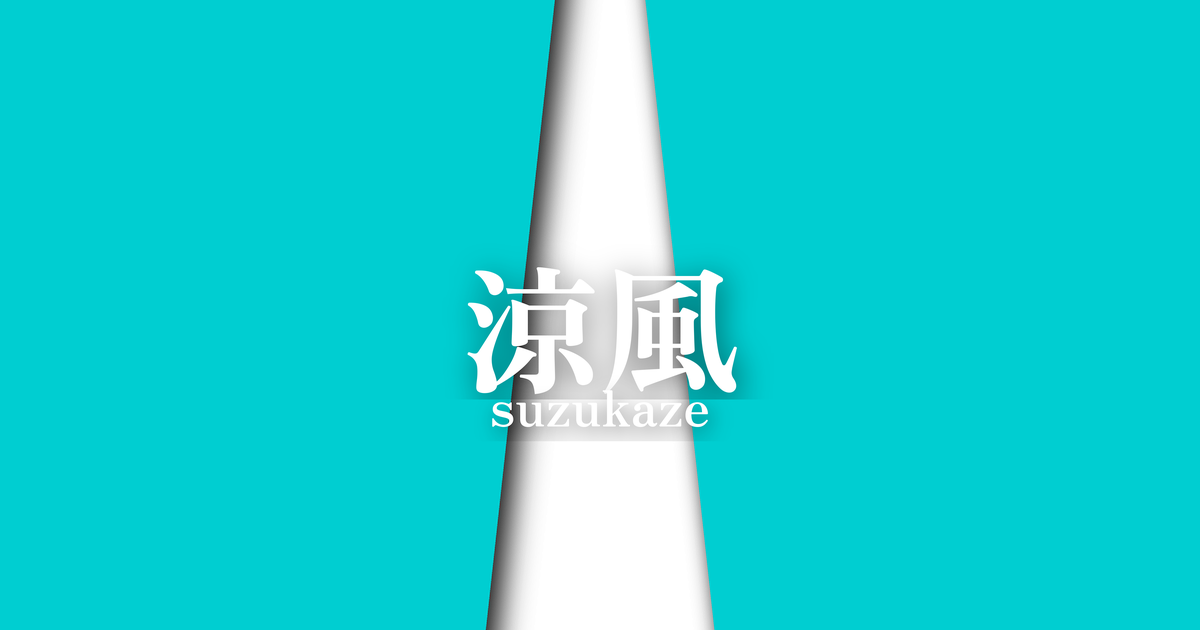
| Japanese color name | cool breeze |
|---|---|
| reading | suzukaze |
| season | 夏 |
| Color of the table | Light blue (mizuiro) |
| Back color | White (shiro) |
What is a cool breeze? Origin and etymology
"Ryofu" (Cool Breeze) is a color combination that, as its name suggests, expresses the refreshing atmosphere of summer through color. The light blue on the outside evokes the clear summer sky and the flow of a pure river, while the white on the inside is reminiscent of whitecaps on the water's surface and rising clouds. This color scheme is said to have originated from the aesthetic sense of Heian-period aristocrats who sought visual coolness to alleviate the harsh summer heat. It is one of the color combinations that strongly reflects the traditional Japanese sensibility of keenly perceiving natural landscapes and reflecting them in the colors of clothing.
Historical background of cool breeze
During the Heian period, seasonal attire was highly valued in aristocratic society. For summer clothing, cool-looking colors were preferred, and it is thought that cool colors such as those associated with "cool breeze" were used. Although there are not many specific records of its wear, it is presumed that it was worn as clothing to create a cool atmosphere at public and private gatherings during the summer season. In particular, it was likely chosen as clothing to enhance the atmosphere at events such as waterside banquets and Tanabata festivals.
Related literature, waka poetry, and seasonal words
No specific classical literary works have been identified that directly use the color name "Ryofu" (cool breeze). However, "The Tale of Genji" and "The Pillow Book" contain numerous descriptions of summer scenes and clothing. For example, scenes reminiscent of the cool breeze on a summer night or enjoying the evening breeze by the river are depicted throughout these works.
There are also descriptions of the sheer summer garments called "usumono" worn by the nobility, which were made of cool colors such as light blue and white, suggesting that people at the time favored colors that evoked a cool breeze.
As the cool breeze blows, I long to ask: Who placed these floating lotus leaves here?
The season and scenery of cool breezes
"Ryofu" (cool breeze) is a color scheme worn during the summer season, especially from the sixth to the eighth month of the lunar calendar. The combination of light blue and white evokes refreshing scenes such as a cool breeze felt in the strong summer sun or the babbling of a stream flowing in the shade of trees. Wearing this color scheme during the intense heat of midsummer gave a cool impression to those around him and brought a sense of peace to the wearer's own mind.
It embodies the ancient Japanese aesthetic of perceiving and enjoying the changing seasons through sight.
Cool Breeze Color Scheme Proposal
Asahanada (#84B9CB)
By combining it with a light blue of the same color family, such as Asahanada, you can express the nuances of water and the gradations of the sky. This creates a unified, deeper, and cooler impression, resulting in a calm atmosphere.
White-green (byakuroku) (#D6E9D6)
This pale green color evokes the fresh reeds and moss of a waterside. The coolness of the light blue, combined with a sense of natural vitality, creates a refreshing and natural color scheme. It's ideal for depicting the vibrant scenes of early summer.
Nadeshiko-iro (pink) (#E6A3B2)
This gentle pink color is reminiscent of the carnation flower that blooms in summer. It adds a lovely and soft accent to the cool combination of light blue and white. This color scheme expresses both feminine grace and a sense of the season simultaneously.
Practical Scenes
In traditional Japanese clothing, incorporating the "cool breeze" color scheme into summer kimonos, yukatas, and accessories such as obiage and obijime creates a stylish and seasonal look. It can also be enjoyed in modern fashion, for example, by pairing a light blue blouse with a white skirt. In interior design, using this color scheme for curtains and cushion covers can bring a sense of coolness and openness to the entire room.
When used as a background or accent color in website design, it creates a fresh and clean impression.