
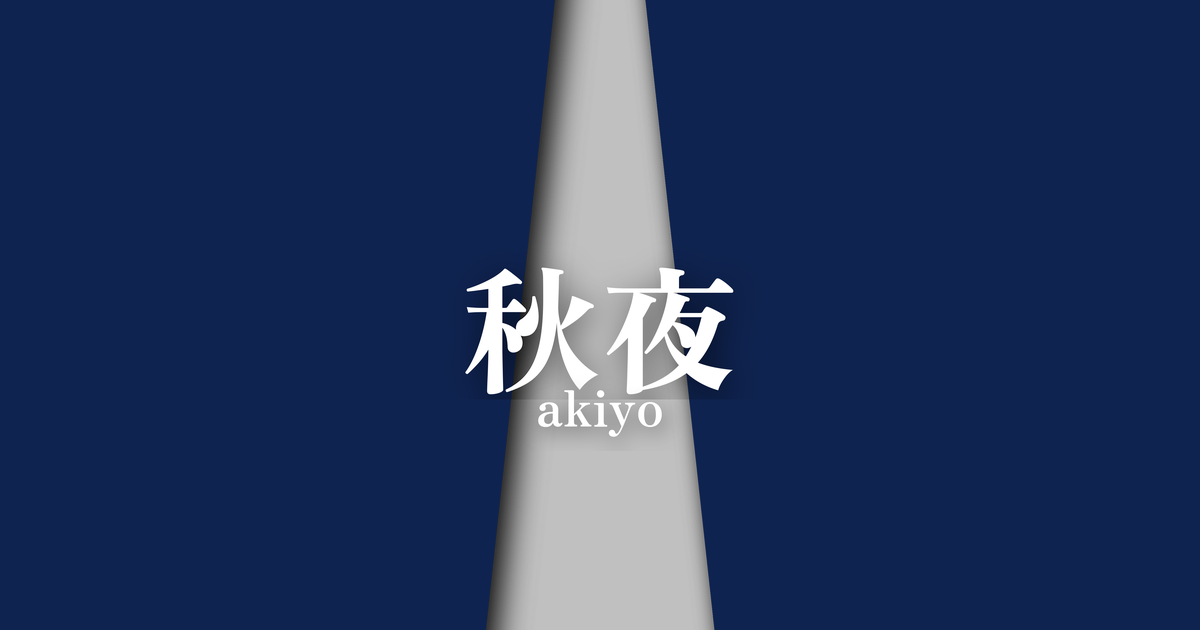
| Japanese color name | Autumn night |
|---|---|
| reading | akiyo |
| season | 秋 |
| Color of the table | Navy (kon) |
| Back color | silver (gin) |
What is "Akiya"? Origin and etymology
"Akiyo" (Autumn Night) is a kimono color combination that, as its name suggests, depicts the scenery of an autumn night. The deep navy blue used on the outer layer symbolizes the clear, endless autumn night sky. On the other hand, the silver on the inner layer is said to represent the bright moonlight shining in that night sky and the countless twinkling stars. This combination of two colors skillfully expresses the quiet and dignified beauty of an autumn night.
This color scheme strongly reflects the aesthetic sensibilities of Heian-era aristocrats who incorporated the colors of natural landscapes into their clothing and enjoyed the changing seasons.
Historical background of autumn nights
The interwoven color combinations of kimonos were refined during the flourishing of Heian period Japanese culture and became an important part of the refined education of the aristocracy. "Autumn Night" is one such combination, and it is thought to have been worn to express the feeling of autumn through clothing. Although there are not many detailed records of its specific use, it is presumed to have been particularly favored for occasions that allowed people to enjoy the long autumn nights, such as moon-viewing parties and evening musical performances.
People at that time shared a sense of the seasons through the color schemes of their clothing, and used them to express their sensibilities and refinement to those around them.
Related literature, waka poetry, and seasonal words
Currently, no classical literary works have been definitively identified that directly use the color name "autumn night." However, there are numerous passages in works such as "The Tale of Genji" and "The Pillow Book" that praise the beauty of autumn nights. For example, Sei Shonagon, after stating "Autumn is best at dusk," praises the beautiful moonlit nights and the sight of geese flying in formation, indicating that the aristocrats of the time held a special aesthetic sense for the scenery of autumn nights.
The worldviews depicted in these literary works are deeply intertwined with the cultural background that gave rise to colors like "Autumn Night."
When I look at the moon, so many things fill me with sadness, though this autumn is not just for me alone.
Autumn nights and scenery
"Autumn Night" is a color scheme worn during the deepening autumn season, from August to September in the old lunar calendar, and from late September to early November in the current calendar. It is fitting for the time of year when the air is clear and the moon and stars are said to shine at their most beautiful. This color combination is thought to have been worn in calm settings such as quiet nights filled with the sounds of insects, moon-viewing parties, or nighttime rituals. The contrast between deep navy and shimmering silver beautifully expresses the stillness of an autumn night and the mystical light of the moon present within it.
Autumn Night Color Scheme Proposal
Withered leaf color (kuchiba-iro) (#917347)
By combining "Autumn Night," which represents the autumn night sky, with the color of withered leaves, a deeper depiction of autumn scenery can be achieved. The tranquility of navy blue and the warmth of brown tones harmonize to create a calm and elegant color scheme.
Bellflower color (#585EAA)
The color of the bellflower, one of the seven autumn flowers. It is a purplish color close to navy blue, which blends well with the navy blue of "autumn night," giving an elegant and refined impression. It is a color scheme that evokes the understated beauty of wildflowers in the autumn night.
Golden color (#E6B422)
The golden color, reminiscent of a shining moon or ripe rice stalks, creates a strong contrast with the navy blue of "Autumn Night," enhancing each other's beauty. This combination gives a dramatic and magnificent impression, like a full moon floating in the night sky.
Practical Scenes
In Heian period attire, this color scheme is thought to have been worn at autumn evening banquets and ceremonies. In modern times, incorporating this color combination into kimono and obi sash combinations can create a sophisticated and intellectual impression. It is particularly suitable for formal evening occasions. Furthermore, in interior design, it is effective when used in quiet spaces such as bedrooms and studies. Using navy as the base color with silver or platinum accents creates a modern and tranquil atmosphere.
In web design and graphic design, it is suitable when you want to convey a sense of luxury or trustworthiness.