
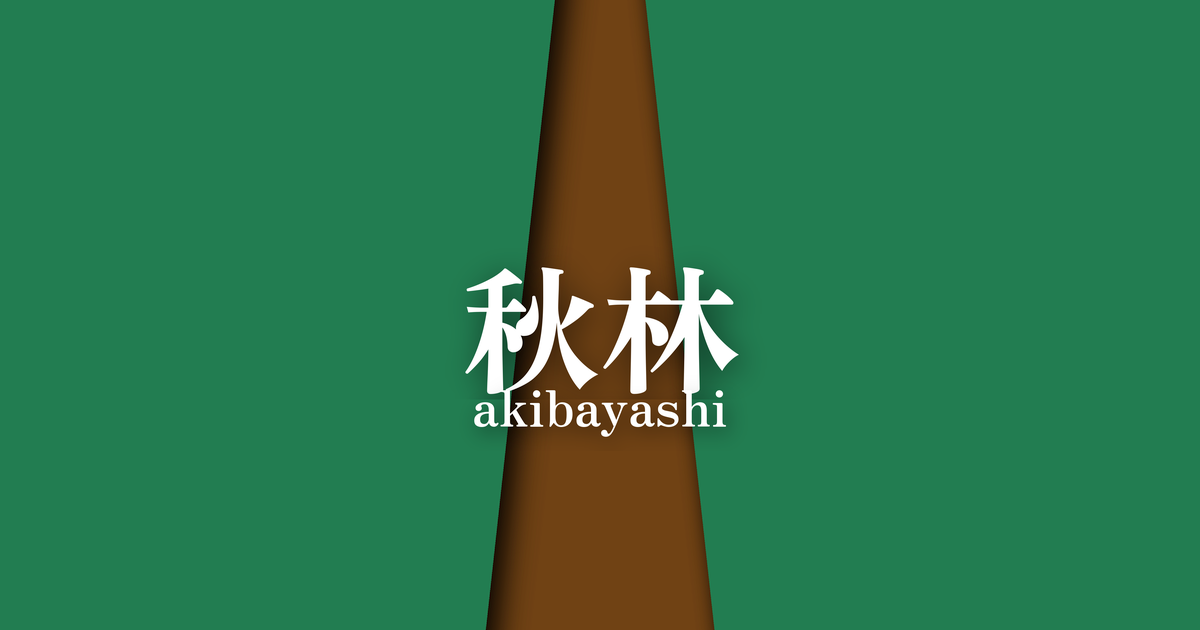
| Japanese color name | Akibayashi |
|---|---|
| reading | Akibayashi |
| season | 秋 |
| Color of the table | Green (midori) |
| Back color | tea |
What is Akibayashi? Origin and etymology
"Akibayashi" (Autumn Forest), as its name suggests, is a color combination that captures the scenery of an autumn forest in the colors of clothing. The green on the outside symbolizes the leaves of trees that still retain the remnants of summer, while the brown on the inside is said to represent the beginning of changing color in autumn leaves, fallen leaves, or tree trunks. It is a color scheme that captures the beauty of nature during the transitional period when the seasons change, from green to brown.
These colors are not only beautiful, but they also possess a narrative quality that evokes a specific landscape. The contrasting colors glimpsed through the front and back of the garment, and through its layers, give both the wearer and the observer a feeling of strolling through an autumn forest. This deeply reflects the refined aesthetic sensibilities of the Heian aristocracy, who abstracted natural landscapes and incorporated them into the colors of their attire.
Historical background of Akibayashi
The concept of "kasane no irome" (layered color schemes) is a traditional Japanese color culture that emphasizes seasonality and is believed to have been established in aristocratic society during the mid-Heian period. In the imperial court, the colors of clothing to be worn were prescribed for each season, and adhering to these was an important way to demonstrate the education and dignity of an aristocrat.
Autumnal colors like "Autumn Forest" are thought to have been worn from around August to September in the old lunar calendar, which corresponds to late September to early November in the current calendar. They were likely particularly favored as calm colors that heralded the beginning of autumn, before the leaves reached their peak. Although there are not many specific records of their use, they were probably worn in occasions that celebrated nature, such as autumn outings and moon-viewing parties.
Related literature, waka poetry, and seasonal words
Currently, no famous classical literary works have been identified that directly use the color name "Autumn Forest." However, Heian period literature such as "The Tale of Genji" and "The Pillow Book" frequently depict characters wearing elegant clothing appropriate for the season, offering insights into the color sensibilities of the time.
These works frequently depict autumn scenes, such as people viewing autumn leaves and wildflowers. For example, along with colors like "Momiji" (autumn leaves), which captures the colors of autumn leaves, and "Ominaeshi" (Patrinia scabiosifolia), named after the Patrinia scabiosifolia, one of the seven autumn flowers, "Autumn Forest" is also thought to have been one of the autumn color palettes enjoyed by people at that time.
Autumn forest season and scenery
"Autumn Forest" is a color scheme that beautifully expresses the scenery of the deepening autumn season. The deep green on the front evokes the lingering vitality of summer, while the calm brown on the back symbolizes the arrival of autumn and a sense of melancholy. This color scheme reflects not the peak of fiery autumn foliage, but the gentle and profound atmosphere of a forest as the seasons quietly change.
The most appropriate time to wear this garment is from the beginning to the middle of autumn. As the heat subsides and the air begins to clear, wearing clothing in these colors allowed one to express a sophisticated sensibility that anticipated the coming season. It embodies the aesthetics of the Heian aristocracy, which valued a sense of unity with nature.
Akibayashi's color scheme proposal
Kutsuha color (#915E33)
By combining the brown of an autumn forest with a similar shade of withered leaves, the colors gain depth and a sense of unity. The contrast with green becomes more pronounced, resulting in a calm color scheme that richly expresses the scene of an autumn forest covered with fallen leaves.
White training (#FFFFFF)
Adding a touch of pure white as an accent color enhances the deep hues of the autumn forest, creating a refined impression. It's a clean and dignified combination reminiscent of the morning mist of autumn and the crisp, clear air.
Bellflower color (#5E50A1)
By incorporating the purple of the bellflower, a representative autumn flower, you can add vibrancy and a sense of the season to your outfit. The three colors—green, brown, and purple—enhance each other, creating an elegant color scheme that expresses the rich colors of autumn nature.
Practical Scenes
During the Heian period, it is presumed that the "Autumn Forest" color scheme was used in the layering of the uchiki (outer robes) worn by court ladies, as well as in the noshi (formal court attire) and kariginu (hunting robes) worn by male aristocrats. It was likely worn at autumn court ceremonies and private banquets as a refined attire that expressed a sense of the season.
In modern Japanese attire, this color scheme can be incorporated into the kimono and obi, or into accessories such as the obiage and obijime. It gives a calm and intellectual impression, making it suitable for occasions such as tea ceremonies, theater performances, and art appreciation. It can also be enjoyed as an elegant coordination that expresses the changing seasons.
The "Autumn Forest" color scheme can also be used in the fields of fashion, interior design, and web design. It adds depth and tranquility to natural styles based on earth tones, as well as to modern designs incorporating Japanese aesthetics. It is also effective as a color scheme for seasonal products and services.