
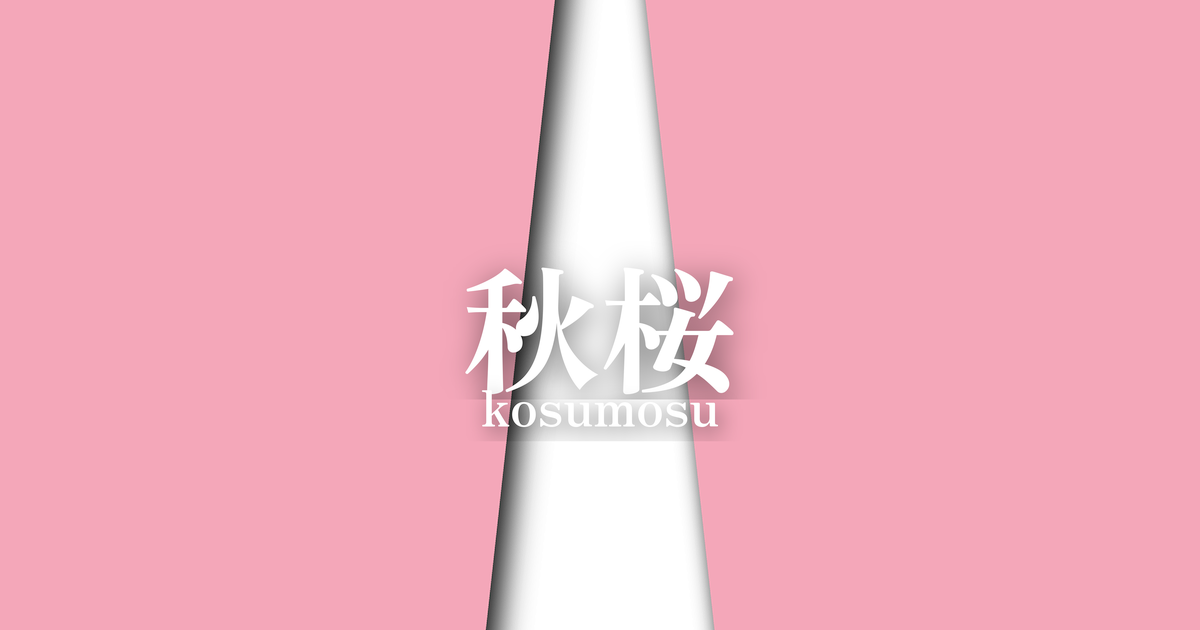
| Japanese color name | Cosmos |
|---|---|
| reading | kosumosu |
| season | 秋 |
| Color of the table | Light red (usubeni) |
| Back color | White (shiro) |
What is the cosmos flower? Origin and etymology
"Akizakura" (Cosmos) is, as the name suggests, a color combination inspired by the cosmos flower that blooms in autumn. The pale pink on the outside represents the delicate color of the cosmos petals, while the white on the inside is said to represent the pale hues of the underside of the petals or the center, or the clear autumn air. It is characterized by its delicate and elegant color scheme that evokes the image of a cluster of cosmos flowers swaying lightly in the autumn breeze. From its name, one can see the traditional Japanese aesthetic of appreciating natural flowers and incorporating their beauty into clothing.
Since cosmos flowers were introduced to Japan after the Meiji era, the color combination known as "Akizakura" (autumn cherry blossom) is not a classical one dating back to the Heian period, but rather a creation from the modern era. However, the idea of expressing the beauty of flowers blooming in the autumn fields through color can be said to inherit the spirit of the ancient "Kasane no Irome" (layered color combinations). It is positioned as a relatively new color combination, born from a blend of traditional aesthetics and the sensibilities of a new era.
Historical background of cosmos flowers
The color combinations of layered garments represent the pinnacle of sophisticated color culture in the aristocratic society of the Heian period. The combination of colors in the outer and inner layers of clothing, or in the multiple layers worn, expressed the changing seasons and scenes of nature. These color schemes were an important element in demonstrating an individual's refinement and aesthetic sense, and a person's taste was judged in various situations, from court ceremonies to private gatherings.
The color scheme "Akizakura" (cosmos) itself is not found in Heian period literature. This is because the cosmos flower, which is the motif, did not exist in Japan at that time. However, if Heian aristocrats had seen cosmos flowers, they would surely have incorporated their lovely appearance into the colors of their clothing. This color scheme can be said to be a romantic color combination born from an attempt to recreate that Heian aesthetic sense in the modern age.
Related literature, waka poetry, and seasonal words
Classical literature from the Heian period, such as "The Tale of Genji" and "The Pillow Book," does not feature a color combination called "cosmos." However, these works depict numerous scenes of people appreciating autumn flowers. For example, the "seven autumn flowers"—bush clover, patrinia, bellflower, and pink—frequently appear as subjects in waka poetry and as garden plants, and there were also color combinations based on these motifs. This shows that the culture of incorporating the atmosphere of the autumn fields into clothing was deeply rooted from the Heian period onward.
The color scheme of "Cosmos" can be interpreted as an extension of this traditional sensibility.
Cosmos flowers, one or two, in the sunlight
Cosmos season and scenery
"Cosmos" is a color scheme that, as its name suggests, symbolizes autumn. It is especially appropriate to wear it from late September to early November, when cosmos flowers are in full bloom. This color scheme evokes the image of a field of cosmos flowers swaying in a refreshing breeze under a clear autumn sky, giving the viewer a calm and gentle impression. It is perfect for occasions where you want to enjoy the feeling of the season, such as autumn outings, chrysanthemum viewing parties, and tea ceremonies. It is not flashy, but it creates a refined yet elegant atmosphere.
Cosmos color scheme proposal
Bellflower color (#5A4F9F)
By combining it with the purple of the bellflower, another autumn flower, the autumn field landscape is expressed more richly. The delicate pale pink and the elegance of the bellflower complement each other, creating a sophisticated color scheme.
Kutsuha color (#917346)
By combining it with the color of withered leaves, which evokes the deepening of autumn, the overall impression becomes more refined. The sweetness of the light pink is toned down, creating a sophisticated color scheme that is calm and seasonal.
Tsukihaku (#EAF4FC)
Moonlight, a very pale bluish-white reminiscent of the clear autumn night sky and moonlight, is paired with the delicate pink of cosmos flowers to highlight their ephemeral and refined beauty. The color scheme has a transparent and clean impression.
Practical Scenes
In traditional Japanese clothing, the cosmos color scheme is incorporated into formal kimonos such as visiting kimonos, casual kimonos, and undergarments, and is used to express the feeling of autumn. In particular, using this color combination in accessories such as obiage (sash ties) and obijime (sash cords) allows you to enjoy a stylish look that is subtly ahead of the season. Even if you don't use it on the entire kimono, using it in parts of it adds depth to your outfit.
This color scheme remains effective in contemporary design. Used on websites and advertising banners, it effectively conveys a gentle and calming autumnal image. In interior design, incorporating it into fabrics such as cushion covers and curtains adds warmth and a seasonal feel to a room. It's also a highly appealing color scheme suitable for product packaging aimed at women.