
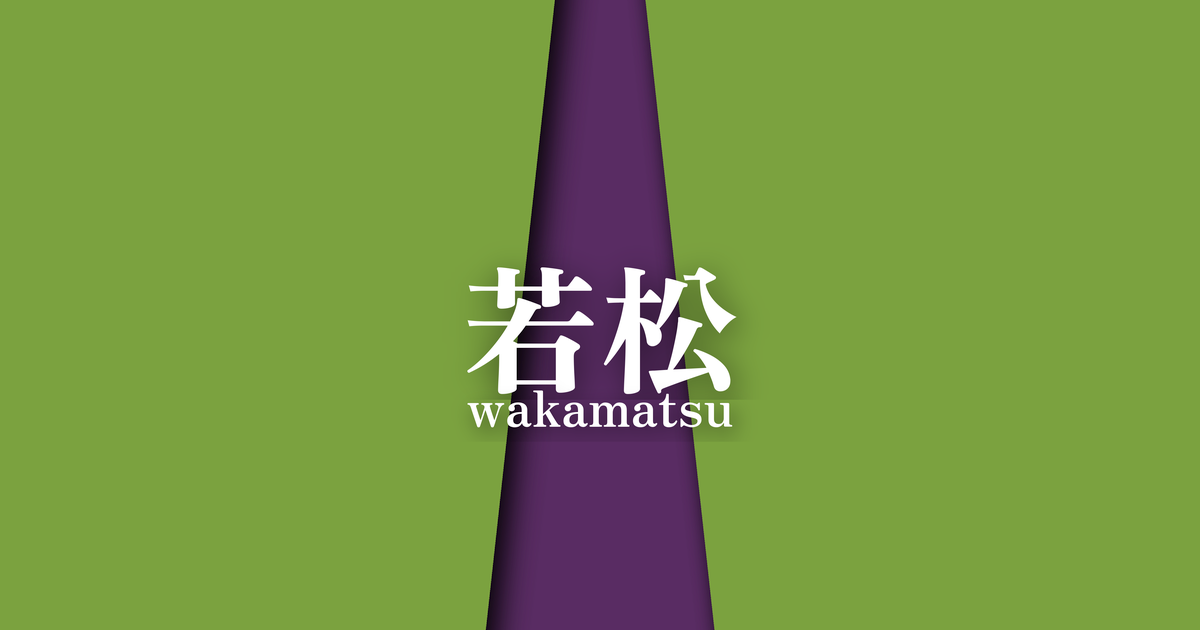
| Japanese color name | Wakamatsu |
|---|---|
| reading | wakamatsu |
| season | 春 |
| Color of the table | Moegi (light green) |
| Back color | Purple (murasaki) |
What is Wakamatsu? Origin and etymology
The layered color combination "Wakamatsu" (young pine tree), as its name suggests, is a color scheme that expresses the youthful appearance of pine trees budding in early spring. The outer layer, "Moegi" (light green), symbolizes the vivid green of the sprouting young leaves, evoking a sense of life. On the other hand, the inner layer, "Murasaki" (purple), is said to allude to the strength of the pine tree's trunk and the depth of the earth into which its roots take hold. This contrast between Moegi and Murasaki skillfully expresses the vitality of the pine tree that sprouts after enduring the harsh winter, as well as the refreshing yet majestic atmosphere of the new spring.
Historical background of Wakamatsu
In the Heian period court, the color combination of clothing was an important element in indicating the wearer's status and education. The "Wakamatsu" (young pine) color scheme is said to have been used for auspicious occasions such as New Year's celebrations and spring celebrations. As the pine tree is an auspicious tree symbolizing longevity and prosperity, this color scheme was favored by the nobility as a fitting color combination to celebrate the New Year. Its name can be found in books describing the customs of clothing, conveying a part of the color culture of that time to the present day.
Related literature, waka poetry, and seasonal words
In classical literature, the pine tree, being an evergreen, has been celebrated in numerous waka poems as a symbol of longevity and permanence. "Wakamatsu" (young pine) is particularly used as a seasonal word for the New Year, carrying an auspicious meaning that celebrates the beginning of a new year. In the Heian period, there was a custom called "Ne no Hi no Asobi" (Play on the Day of the Rat), in which people would go out into the fields on the first Day of the Rat in the New Year, pull up young pine trees, and pray for eternal longevity. It is presumed that the colors of the "Wakamatsu" layered garments were chosen as the attire for those attending this celebratory event.
If there were no young pine trees in the fields on the day of the rat, what would we use as a testament to a thousand years of history?
The seasons and scenery of Wakamatsu
"Wakamatsu" is a color combination of kimono fabrics primarily worn from New Year's Day through early spring. It heralds the end of the harsh winter and the arrival of a season of new life. The light green on the outside represents the shining pine buds in the sunlight and the freshness of young grass emerging from beneath the snow. On the other hand, the purple on the inside is said to symbolize the strength of the earth waiting for the arrival of spring and the still chilly air of early spring. This color scheme evokes a refreshing scene full of hope for the new year.
Wakamatsu's color scheme proposal
Golden (#E6B422)
Pine and gold are used as auspicious motifs, and this combination emphasizes the celebratory and splendid nature of the New Year. The youthfulness of the light green is enhanced by the brilliance of the golden color, creating a dignified impression.
White (#FFFFFF)
A pure color scheme reminiscent of young pine trees sprouting in a snowy landscape. The vibrant colors of light green and purple enhance each other, creating a sacred atmosphere. In Heian period attire, white was also considered a color of purity.
Suou (#9E3D3F)
The celebratory color, sappanwood (red), is nearly complementary to light green (green), making each other stand out. It also harmonizes with purple, resulting in a classic color scheme that combines depth and splendor.
Practical Scenes
As for clothing, it is believed to have been primarily used in the color scheme of uchiki (a type of kimono worn by aristocrats during the Heian period) at New Year's ceremonies and celebrations. Due to the auspicious meaning of the pine tree, it was favored at occasions celebrating longevity and wishing for prosperity throughout the year. The combination of youthful light green and noble purple likely also served to subtly demonstrate the wearer's dignity and refinement.
In modern times, incorporating this color scheme into kimonos and Japanese accessories allows one to enjoy a traditional and dignified New Year's attire. Furthermore, in interior design, using it in wallpaper and fabrics brings a sense of calm and vitality to a space. When used in website and product packaging design, it can create a sophisticated impression that evokes the beauty of Japanese tradition.