
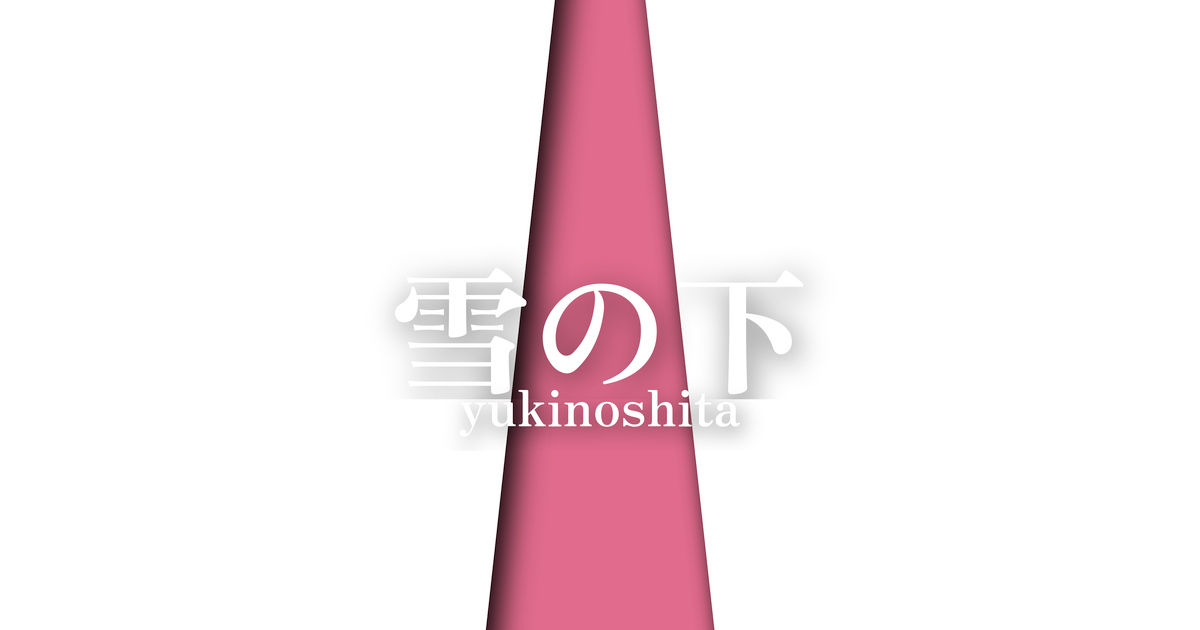
| Japanese color name | Under the snow |
|---|---|
| reading | yukinoshita |
| season | 冬 |
| Color of the table | White (shiro) |
| Back color | Plum blossom color (kobaiiro) |
What does "Yuki no Shita" mean? Origin and etymology.
The name "Yuki no Shita" (Under the Snow) literally derives from the image of red plum blossoms peeking out from beneath the accumulated snow. This color scheme likens the "white" of the outer fabric to pure snow, and the "red plum" of the lining to plum blossoms blooming powerfully from within the snow. It is a poetic composition that captures the breath of life that foreshadows the arrival of spring amidst the silence of harsh winter. This color scheme was born from the refined aesthetic sense of the Heian aristocracy, who sought to capture natural landscapes with keen observation and reproduce them as colors in clothing.
Historical background of the snow
During the Heian period, the color scheme of clothing was an important element in demonstrating an individual's education and refinement in aristocratic society. "Kasane no Irome" (layered color schemes) was a sophisticated system of colors used to incorporate the changing seasons into one's attire, and it was deeply rooted in life at court. "Yuki no Shita" (snow under the kimono) is said to have been one of the representative colors of winter and was particularly favored among women at court.
This color scheme, which reflects the longing for spring amidst the harshness of winter, was worn in various situations such as ceremonies and private banquets, playing a role in richly expressing the sense of the season.
Related literature, waka poetry, and seasonal words
Currently, there are no clear confirmations of direct mentions of the "Yuki no Shita" (Snow Under) color combination in works such as The Tale of Genji or The Pillow Book. However, these classical literary works contain numerous descriptions of scenes and waka poems featuring snow and plum blossoms. For example, as Sei Shonagon wrote in The Pillow Book, "In winter, early mornings are the best. The sight of falling snow is beyond description," indicating that a keen aesthetic sense for snowscapes was common among Heian aristocrats.
This color scheme can be interpreted as an expression, in the form of color, of the aesthetic sensibility nurtured by such literary sensibilities.
Spring has arrived amidst the snow; the nightingale's frozen tears must now melt away.
Seasons and Scenery Beneath the Snow
"Yuki no Shita" is a layered color combination that expresses the feeling of winter, especially from late winter to early spring. It is said to have been worn from around November to February in the old lunar calendar. The most distinctive feature of this color combination is the contrast between the white of the outer layer, reminiscent of a snowy landscape, and the red plum color of the inner layer, symbolizing the vitality of the red plum blossoms that bloom through the snow. It reflects the delicate sensibility of Heian aristocrats who entrusted their hopes and joys for the coming spring to their attire during a time when the cold was still severe.
It was used in occasions where seasonality was important, such as winter rituals and private gatherings.
Color scheme suggestions for under the snow
Light green (#A9D159)
The fresh green color, reminiscent of young grass sprouting from the melting snow, emphasizes the early spring image associated with "Yuki no Shita" (Under the Snow). The addition of vibrant green to white and plum-pink vividly expresses the transition from winter to spring. This is a traditional color scheme also seen in Heian period costumes.
Indigo (#165E83)
The deep, clear indigo color evokes the quiet winter night sky and effectively balances the vibrancy of the white and plum blossom colors of "Yuki no Shita" (Snow Under). It gives a dignified and elegant impression, and is an effective color scheme for achieving both calmness and splendor, not only in traditional Japanese clothing but also in modern graphic design.
Golden (#E6B422)
The shimmering gold adds a sense of auspiciousness and elegance to the celebration of the New Year. It also resembles sunlight shining through a snowy landscape, bringing warmth and luxury to the "Under the Snow" color scheme. Using it in celebratory attire or as an accent color in special designs creates a refined and splendid look.
Practical Scenes
During the Heian period, the "Yukinoshita" color scheme was primarily used for the uchiki (a type of kimono worn by women). It was highly valued as an outfit that expressed a sense of the season in winter court ceremonies and everyday settings. In modern times, this color scheme is utilized in kimonos, obi (sashes), and Japanese accessories such as obi-jime and obi-age (sash ties). It is especially used in occasions where a stylish outfit that anticipates the season is preferred, such as New Year's tea ceremonies and theater performances.
Furthermore, it is being applied in various fields that express traditional Japanese beauty, such as Japanese-style packaging design, websites, and interior design.