
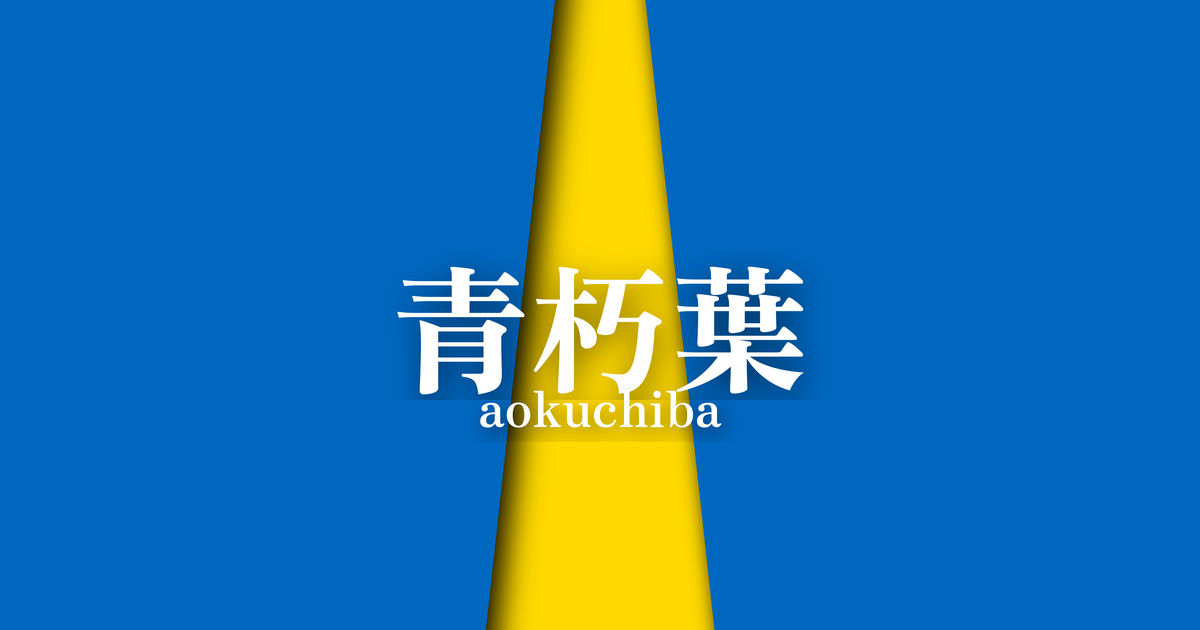
| Japanese color name | Blue withered leaves |
|---|---|
| reading | aokuchiba |
| season | 春 |
| Color of the table | blue (ao) |
| Back color | Yellow (ki) |
What is Aokuchiba? Origin and etymology
Aokuchiba literally means "blue decaying leaves," but such leaves do not actually exist. This name is said to symbolically represent the contrast between the fresh green leaves that sprout in spring and the decaying leaves from the previous year that remain on the ground. The blue on the front represents the vibrant young leaves, while the yellow on the back evokes decaying leaves and the light of spring. This color scheme strongly reflects the refined aesthetic sense of the Heian aristocracy, who found beauty in the changing seasons of nature and encapsulated the passage of time in a single garment.
This color combination consists of blue on the outside and yellow on the inside. This vivid contrast skillfully expresses the scene of spring's regeneration and cycle, where new life sprouts upon the old. Not only the beauty of the colors themselves, but also the poetic narrative embedded in the name was an important element of this layered color combination. It is said that the nobility demonstrated their refinement and keen sensitivity to the seasons by incorporating such subtleties of the natural world into the colors of their clothing.
Historical background of Aokuchiba
The layered color schemes (kasane no irome) are a uniquely Japanese color culture that developed during the Heian period as the national culture matured. They were used in court ladies' attire such as the uchiki, and there were strict rules governing their use according to the season and occasion. "Aokuchiba" is said to have been one such color, worn as spring attire. However, there are few existing Heian period documents that clearly confirm the color name "Aokuchiba," and it is largely believed that it was systematized in later court etiquette books.
Nevertheless, the aesthetic sensibility of capturing natural scenery in clothing was deeply rooted in the lives of Heian aristocrats.
Related literature, waka poetry, and seasonal words
It is difficult to pinpoint a famous classical literary work in which the color name "Aokuchiba" (blue withered leaves) appears directly. However, in works such as "The Tale of Genji" and "The Pillow Book," there are numerous scenes in which characters wear clothing in colors appropriate to the season. For example, expressing the sense of the season through clothing, such as light green or plum blossom pink in spring, or maple leaf or withered leaf pink in autumn, was a refined practice among the aristocracy.
These literary works offer valuable clues to understanding the cultural background that gave rise to the delicate sense of color found in works like "Aokuchiba" (Blue-Withered Leaves).
The season and scenery of withered green leaves
"Aokuchiba" is a traditional spring color combination. The vibrant blue on the outside symbolizes the vitality of young leaves and plants that awaken from winter slumber and sprout vigorously. The yellow on the inside, on the other hand, evokes the faint traces of withered leaves remaining on the ground from the previous year and the soft sunlight of spring. This color scheme beautifully expresses the scene of spring's regeneration and cycle, where new life emerges from the old. It was considered most appropriate to wear this color combination in spring, especially when the young leaves begin to become prominent.
A proposed color scheme for blue-hued leaves.
Light green (#A9D159)
The light green color is the color of young leaves that sprout in early spring, and it harmonizes with the vitality of the blue of withered leaves. As colors that symbolize spring, they give a fresh and invigorating impression, and this is a traditional combination that can also be seen in the clothing of the Heian period.
White (#FFFFFF)
By combining it with pure and innocent white, the contrast between the blue and yellow of withered leaves stands out, creating a sophisticated impression. Evoking the mist of spring or lingering snow, it brings brightness and cleanliness to the overall color scheme, making it easy to apply to modern designs.
Suou (#9E3D3F)
The reddish hue of sappanwood is almost a complementary color to the blue of withered leaves, and they enhance each other's colors. It evokes the colors of flowers blooming among spring plants, resulting in a vibrant and profound color scheme. It is effective for formal occasions and as an accent color.
Practical Scenes
During the Heian period, this color scheme was primarily used for the spring attire of court ladies. It is said that the combination of the outer and inner fabrics of the uchiki (a type of kimono) allowed for a delicate appreciation of the changing seasons. Today, the "Aokuchiba" color scheme is sometimes incorporated into kimonos, obi sashes, and obi-jime (kimono sash cords). It is particularly suitable for occasions where a sense of the season is important, such as spring tea ceremonies and theater performances.
Beyond traditional Japanese clothing, this color scheme can be used in interior design to bring a refreshing and vibrant spring-like atmosphere to a room. In web and graphic design, using yellow as an accent against the main color blue creates visual contrast, effectively attracting the user's attention. While it is a traditional color scheme, it can also give a modern and fresh impression.