
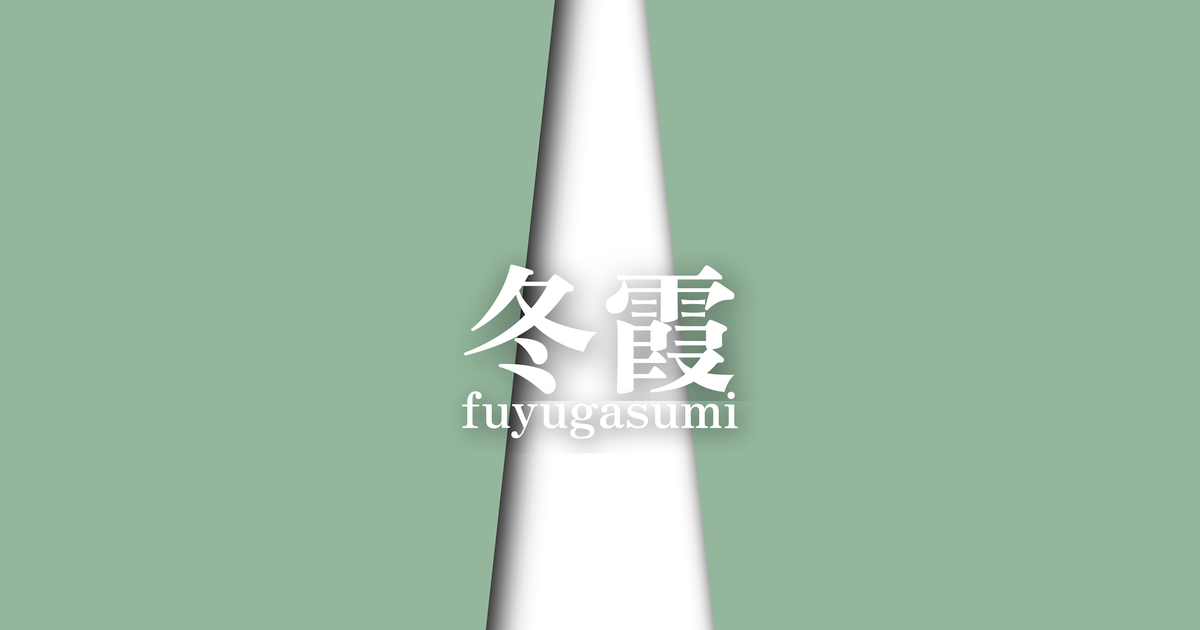
| Japanese color name | winter haze |
|---|---|
| reading | fuyugasumi |
| season | 冬 |
| Color of the table | light blue (usuao) |
| Back color | White (shiro) |
What is winter haze? Origin and etymology
Fuyugasumi (winter mist), as its name suggests, is a combination of colors that expresses the hazy scenery of winter. The light blue on the outside is said to symbolize the cold, clear winter sky, while the white on the inside symbolizes the color of freshly fallen snow and the freezing air. This combination of two colors skillfully expresses the image of distant mountains appearing white and hazy in the silence of a winter morning, or the fantastical scenery of mist gently rising over a snowfield.
This color scheme reveals the aesthetic sensibilities of the Heian aristocracy, who sought to incorporate the delicate beauty of nature into their clothing.
Historical background of winter haze
The layered color schemes of Heian period aristocratic society were a manifestation of refined aesthetic sensibilities. They were keenly aware of the changing seasons and devoted themselves to expressing those scenes through the color combinations of their clothing. "Winter Mist" is one such color scheme that reflects winter scenery, and it is thought to have been used as winter attire among women in the imperial court. In particular, this color scheme, reminiscent of snowscapes and the crisp air of winter mornings, likely played an important role in demonstrating the wearer's education and sense of the seasons at ceremonies and private gatherings.
Related literature, waka poetry, and seasonal words
While the "winter mist" color combination itself doesn't appear directly in classical literature very often, the scenes it evokes have been depicted in numerous works. In the famous "In winter, early morning" section of The Pillow Book, the beauty of a snowy morning is praised, and the "winter mist" color scheme perfectly matches that scene.
Furthermore, in narrative literature such as "The Tale of Genji," the colors of the characters' clothing are an important element in expressing the seasons and emotions, and the white and blue garments worn in winter scenes add a profound depth to the story.
At dawn, the white snow falls over the village of Yoshino, revealing the moon of the waning night.
The season and scenery of winter haze
Winter Mist is a color combination that expresses the quiet and pure beauty hidden within the harshness of winter. It is mainly worn in winter, from December to February. The light blue of the outer layer evokes the clear winter sky brought on by the cold air, or the faint light before dawn. The white of the inner layer symbolizes the pure, unspoiled snow or the sparkling frost on the branches of trees. This color scheme harmonizes well with the quiet morning after a snowfall or the crisp, clean winter scenery, bringing elegance and a sense of the season to the wearer.
Color scheme proposal for winter haze
Silver mouse (#AFB1B4)
The combination of pale blue and white, cool tones reminiscent of winter haze, is further enhanced by the addition of silver-gray, a neutral color with a metallic sheen, emphasizing a more refined winter image. It evokes the sparkle of ice and frost, giving a modern and cool impression.
Plum blossom color (#F2A0A1)
By adding a touch of plum blossom pink, which heralds the arrival of early spring, to the cool tones of winter haze, it's possible to express the breath of life and warmth residing within the harsh winter. This creates a narrative color scheme that hints at the transition from winter to spring.
Black (#1C1C1C)
Combining the soft colors of winter mist with strong ink black creates a sharper overall impression and a striking contrast. This allows for the expression of a serene and profound world reminiscent of ink painting, making it suitable for dignified and minimalist designs.
Practical Scenes
In traditional Japanese clothing, winter mist is a color scheme highly valued for expressing the feeling of winter. Incorporating this color into modern kimonos, obi sashes, and accessories such as obiage and obijime can bring a dignified elegance and purity of winter to the entire outfit. It is especially compatible with kimonos featuring snowscape motifs. It is suitable for adding a sense of the season to formal occasions such as tea ceremonies and New Year's greetings.
The winter haze color scheme has broad applicability in contemporary design fields. In interior design, using it in wallpaper and fabrics creates a quiet and calming atmosphere. In web design and graphic design, its clean and sophisticated image makes it suitable for brand websites that require minimalist layouts and a sense of luxury. It is also effective for packaging designs of seasonal winter products.