
| Japanese color name | Yamabuki |
|---|---|
| reading | yamabuki |
| season | 春 |
| Color of the table | Japanese rose (yamabuki) |
| Back color | Yellow (ki) |
What is Yamabuki? Origin and etymology
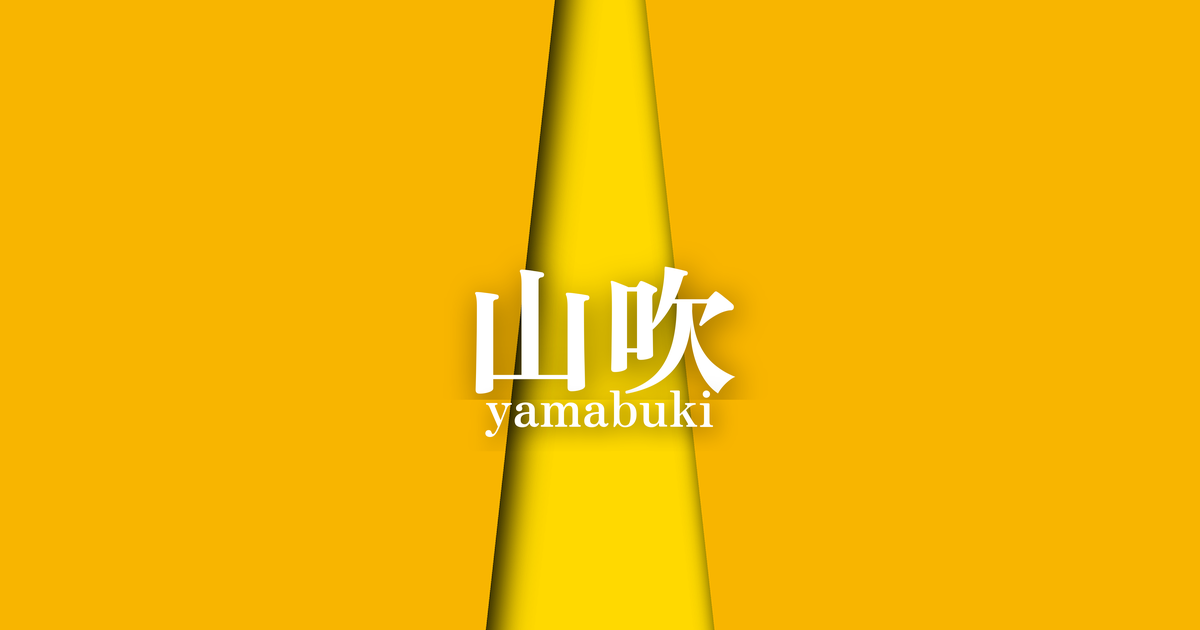
"Yamabuki" is a color combination derived from the vibrant yellow of the yamabuki flower that blooms in the fields and mountains in spring. The deep yamabuki color on the outside represents the color of the flower itself, while the bright yellow on the inside is said to represent the overlapping petals, the reflection of light, or the color of the young leaves. This combination of two colors beautifully captures the lively scene of the yamabuki flower shining in the spring sunlight.
Another theory suggests that the name "yamabuki" originates from the term "yamaburi," which refers to the way the supple branches sway in the wind.
For dyeing, gardenia fruit was primarily used. Gardenias have long been valued as a dye that produces a vibrant yellow color, and were indispensable for creating a bright yellow like that of the Japanese kerria. By dyeing repeatedly, a deep kerria color was created, adorning the attire of Heian-period aristocrats. This use of pigments derived from nature's bounty allows us to see the delicate aesthetic sense of the people of that time, who recreated the beauty of the seasons on their clothing.
Historical background of Yamabuki
During the Heian period, a culture of "kasane no irome" (layered colors), which expressed the changing seasons through the color schemes of clothing, flourished in aristocratic society. Yamabuki (Japanese kerria) was one of the representative colors of spring and was widely loved by both men and women. It was especially often worn at festive occasions such as spring banquets and festivals, and its vibrant color is thought to have brightened the atmosphere of the event.
This color combination is also mentioned in documents related to court customs and traditions, such as the "Masasuke Shōzoku Shō." There, a combination of yellow (yamabuki) on the outside and yellow (or light green) on the inside is shown, making it a valuable resource for understanding the specific style of clothing at the time. The layering of yamabuki was not merely decorative, but played an important role in indicating the wearer's education and sense of the season.
Related literature, waka poetry, and seasonal words
The Japanese kerria flower appeared in many waka poems and stories, and was an important motif that adorned the world of Heian literature. In "The Tale of Genji," the beauty of the Japanese kerria flowers blooming on the fence of the mansion that Hikaru Genji visited is impressively depicted in the chapter "Hana Chirusato." Also, in the section "The Flowers of Trees" in "The Pillow Book," Sei Shonagon highly praises the Japanese kerria, writing, "The Japanese kerria has broad petals, a deep color, and its leaves are spread out, which are very beautiful," showing how much the aristocracy of the time cherished the Japanese kerria.
In the world of Japanese poetry, the Japanese kerria (Yamabuki) was frequently used as a subject for poems depicting spring scenery and romantic feelings. Its vibrant yellow color symbolized hope and splendor, while its fruitless nature meant it was also sometimes used as a metaphor for transience and tragic love. In this way, the Japanese kerria was depicted in classical literature as a flower with multifaceted imagery, deeply rooted in people's hearts.
Though the flowers bloom in seven or eight layers, it is sad that there is not a single fruit on the kerria.
The season and scenery of Japanese kerria.
The "Yamabuki" layered kimono, as its name suggests, was considered most appropriate to wear in spring, especially late spring (around March to April in the old lunar calendar), when the Yamabuki flowers are in full bloom. Heian aristocrats considered it "chic" to anticipate the season, so they wore it a little earlier than the actual blooming of the flowers to celebrate the arrival of spring. This color scheme symbolizes the joy and dynamism of spring, when life begins to sprout after a long and harsh winter.
The vibrant yellow on both sides evokes the warm spring sunshine and the clusters of blooming Japanese kerria flowers. Wearing this kimono at cherry blossom viewing parties in the imperial court or picnics in the countryside allowed one to become one with nature and fully enjoy the beauty of the season. It is a representative spring color scheme that gives a bright and cheerful impression to those who see it.
Yamabuki color scheme proposal
Light green (#A5C422)
By combining it with the fresh green color of spring leaves, it's possible to recreate the natural scenery of the kerria flowers and leaves. This vibrant and youthful color scheme is easy to apply not only to traditional Japanese clothing but also to modern designs.
Red plum (#F19483)
The vibrant golden yellow, combined with the gentle red of the plum blossom, further enhances the splendor of spring. This elegant color scheme expresses the transition from early to late spring, creating a feminine softness and grace.
Lapis Lazuli (#1E50A2)
The combination of vibrant golden yellow and deep lapis lazuli evokes the image of golden yellow flowers blooming under a clear spring sky. The strong contrast enhances each other's colors, resulting in a modern and sophisticated color scheme.
Practical Scenes
In Heian period attire, the yellow "yamabuki" (Japanese kerria) was primarily used for women's uchiki (outer robes) and men's noshi (court robes) and kariginu (hunting robes). It was especially favored by young men and women, and its vibrant color stood out at festive occasions such as spring ceremonies and private banquets. In the aristocratic society, which valued the seasons, wearing this kimono at the appropriate time was a sign of high education and refined aesthetic sense.
In modern times, incorporating the "yamabuki" (Japanese kerria) color scheme into kimonos, obi sashes, and traditional Japanese accessories like obiage and obijime can richly express a spring-like sense of the season. It is especially perfect for spring outings such as cherry blossom viewing, tea ceremonies, and theater performances. Furthermore, its bright and positive hue can be utilized in the fields of interior design, graphic design, and fashion. When used as an accent color, it can be expected to have the effect of adding warmth and vitality to spaces and products.