
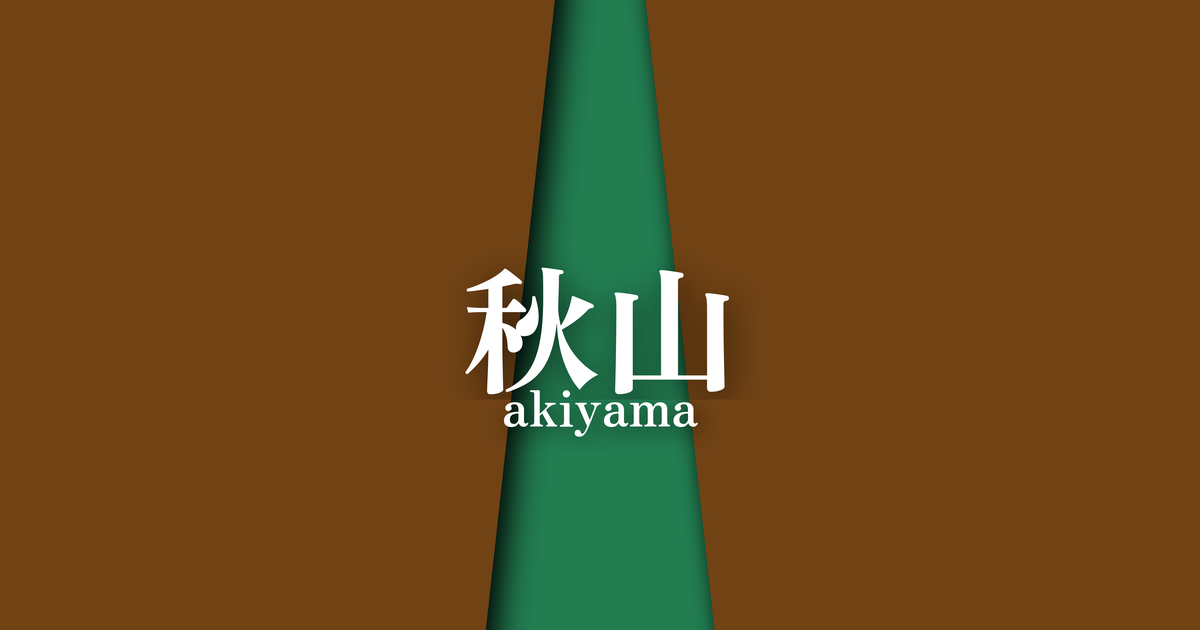
| Japanese color name | Akiyama |
|---|---|
| reading | akiyama |
| season | 秋 |
| Color of the table | tea |
| Back color | Green (midori) |
What is Akiyama? Origin and etymology
The layered color scheme "Akiyama" (Autumn Mountain), as its name suggests, is a color combination that reflects the scenery of mountains as autumn deepens. The brown on the outside symbolizes the beautifully colored red and withered leaves, evoking the rich expressions of the autumn mountains. On the other hand, the green on the inside is said to represent evergreen trees such as pine and cedar that remain unchanged even as the seasons change. This contrast between brown and green skillfully expresses the depth and vitality of the autumn mountain range dyed in brocade.
Akiyama's historical background
In the aristocratic society of the Heian period, the color of clothing was not merely decorative, but an important element that expressed a sense of the season and demonstrated the wearer's education. It is presumed that "Akiyama" (秋山) was a color that symbolized the scenery of autumn and was favored by men and women in the imperial court. Clothing of this color was likely worn at occasions where people enjoyed the autumn atmosphere, such as viewing autumn leaves and moon-viewing parties. Its name is also recorded in the "Masasuke Shōzoku Shō," a book of court customs compiled in later periods, suggesting that it was recognized as a historically significant color that had been passed down since ancient times.
Related literature, waka poetry, and seasonal words
Although the color name "Akiyama" (autumn mountain) does not appear directly in many literary works from the Heian period, its color scheme is deeply connected to the autumn scenery depicted in classical literature. In works such as the "Kokin Wakashū" and "The Tale of Genji," there are many expressions that describe mountains dyed in autumn leaves as "brocade." For example, poems about autumn leaves flowing down the Tatsuta River demonstrate how much people at that time cherished the colors of autumn.
The "Akiyama" color scheme can be interpreted as an expression of the refined aesthetic sense of the Heian aristocracy, who sought to recreate the worldview of these waka poems on their clothing.
When I hear the cry of a deer treading through the autumn leaves in the deep mountains, that is when autumn feels truly sad.
Autumn Mountains: Seasons and Scenery
"Akiyama" is a color scheme most suitable for wearing during the autumn season, especially in late autumn when the autumn leaves are at their peak. This corresponds to the 9th to 10th months of the lunar calendar, or late October to around November in the current calendar. The brown on the front represents the peak of the autumn leaves, while the green on the back represents the strength of the evergreen trees, evoking the magnificent scenery of the entire mountain dyed in brocade. The vibrant yet subdued color scheme evokes both the abundance of the harvest season and the tranquility before the arrival of winter, skillfully expressing the deepening mood of autumn.
Akiyama's color scheme proposal
Kutsuha color (#917346)
The colors of Akiyama and withered leaves are both representative colors of autumn. The gradation of similar colors creates a unified and calm impression. This combination further emphasizes the deepening of autumn.
Persimmon color (#EA7243)
Adding a more vibrant persimmon color to the brown of autumn mountains evokes the fiery red of autumn leaves and the color of ripe persimmons. It is an effective accent color that expresses the richness and warmth of autumn.
Indigo iron color (#293047)
By combining the warm brown tones of Akiyama with the cool indigo iron color, it's possible to express the clear autumn night sky and cold air. The resulting color contrast creates a modern and refined impression.
Practical Scenes
In traditional Japanese attire, "Akiyama" (秋山) is thought to have been used as a color scheme for uchiki (a type of kimono worn in autumn). In modern Japanese clothing, incorporating this color combination into visiting kimonos, casual kimonos, obi (sash), and obiage (sash tie) can express the deepening autumn season. It is particularly suitable for occasions where a calm atmosphere is required, such as tea ceremonies and theater performances.
The "Akiyama" color scheme can be widely applied in contemporary design fields. In interior design, using it in curtains, cushions, and rugs brings warmth and a sense of natural tranquility to a room. When used as a color scheme for websites and advertisements, it can evoke the feeling of autumn and is expected to give users a sense of calm and trust.