
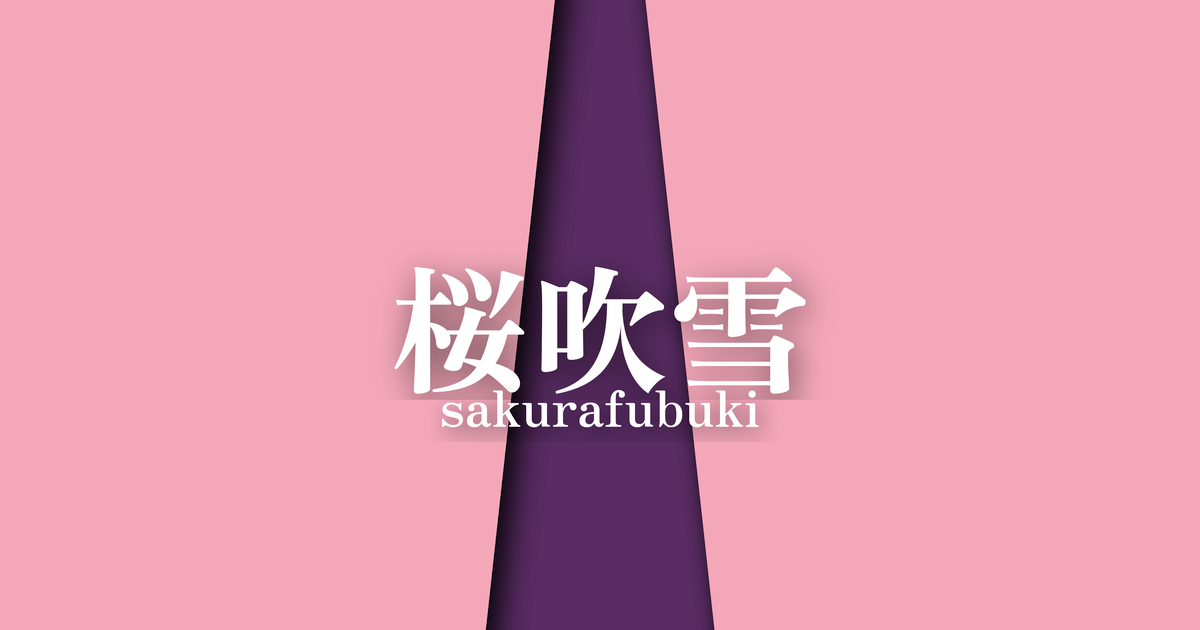
| Japanese color name | Cherry blossom blizzard |
|---|---|
| reading | sakurafubuki |
| season | 春 |
| Color of the table | Peach (momo) |
| Back color | Purple (murasaki) |
- What is "Sakura Fubuki"? Origin and Etymology
- Historical background of cherry blossom blizzard
- Related literature, waka poetry, and seasonal words
- The season and scenery of falling cherry blossoms
- Cherry blossom blizzard color scheme proposal
- Practical Scenes
- FAQ
- Color combinations of the same season (spring)
What is "Sakura Fubuki"? Origin and Etymology
The name "Sakura Fubuki" (cherry blossom blizzard) originates from the very image of cherry blossoms in full bloom being blown around and scattered by the wind. This combination of colors is said to be an attempt to recreate that beautiful scene on the garment. The pink on the outer fabric is often interpreted as representing the cherry blossoms, while the purple on the lining is often interpreted as symbolizing the twilight sky from which the petals fall, the trunk of the cherry tree, or the shadows cast on the ground.
This color scheme strongly reflects the aesthetic sensibilities of the Heian aristocracy, who captured natural scenery with a delicate sense of color and incorporated it into their clothing.
Historical background of cherry blossom blizzard
During the Heian period, a culture of "kasane no irome" (layered colors) developed in aristocratic society, where people were highly sensitive to the changing seasons and expressed them through the colors of their clothing. "Sakura Fubuki" (cherry blossom blizzard) is one such example, and it is thought to have been worn in spring, especially from the time when cherry blossoms are in full bloom until they begin to fall. It is presumed to have been a popular and stylish attire that anticipated the season, worn at cherry blossom viewing parties in the imperial court and at spring ceremonies.
However, it is not certain which document first uses the name "Sakura Fubuki" (cherry blossom blizzard). Nevertheless, there are many colors associated with cherry blossoms, and this color is known as one with a particularly evocative name.
Related literature, waka poetry, and seasonal words
In Heian literature, cherry blossoms frequently appear as a symbol of beauty and the transience of their falling petals. Numerous scenes of admiring cherry blossoms are depicted in works such as "The Tale of Genji" and "The Pillow Book," and the color combinations of the characters' clothing are an important element in expressing the season and their emotions. While the direct color name "sakura fubuki" (falling cherry blossoms) is not found, cherry blossom-related colors such as "sakura gasane" (layered cherry blossoms) are depicted as spring attire.
Through these literary works, we can glimpse how deeply people of that time cherished the scenery of cherry blossoms and how they reflected that aesthetic sense even in the colors of their clothing.
On this peaceful spring day, bathed in gentle sunlight, the blossoms scatter without a moment's rest.
The season and scenery of falling cherry blossoms
"Sakura Fubuki" (Cherry Blossom Blizzard) is a color combination that, as its name suggests, expresses the scene of spring in full bloom through its colors. The most appropriate time to wear it is from late March to early April, when the cherry blossoms are in full bloom and the petals begin to flutter in the wind. The bright pink on the outside represents the cherry blossoms in full bloom themselves, while the purple peeking out from the inside is interpreted as the shadows of the fluttering petals or the color of the sky at dusk, giving depth and dimension to the color scheme.
This color scheme, which celebrates the arrival of spring and captures its most beautiful moment, is thought to have been worn at festive occasions such as cherry blossom viewing parties.
Cherry blossom blizzard color scheme proposal
Light blue (#C3D825)
By incorporating the fresh, vibrant green of spring plants, the scene of falling cherry blossoms gains a sense of budding life. It also pairs well with pink, creating a color scheme that emphasizes a refreshing and bright impression, typical of spring.
White training (#F3F3F3)
The pure white of shironeri evokes the whiteness of cherry blossoms and the mist of spring. It complements the pink and purple hues of falling cherry blossoms, giving an elegant and refined impression. White was also an important color in Heian period attire.
Indigo (#165E83)
The deep indigo color evokes images of cherry blossoms at night and the spring night sky. When contrasted with the vibrant pink of falling cherry blossoms, it creates a calm, elegant, and mature impression. The harmony with purple is also beautiful, and it has the effect of tightening the overall look.
Practical Scenes
In the Heian period, this color combination is thought to have been used in women's uchiki (a type of kimono). In modern times, incorporating the "cherry blossom blizzard" color scheme into kimonos, obi sashes, and Japanese accessories creates an outfit full of springtime charm. Furthermore, its elegant colors can be applied to interior design. Combining pink and purple in cushions and curtains brings both the vibrancy and tranquility of spring to a room.
In web and graphic design, using spring colors in campaigns or for women's products can give viewers a sense of the season and an elegant impression.