
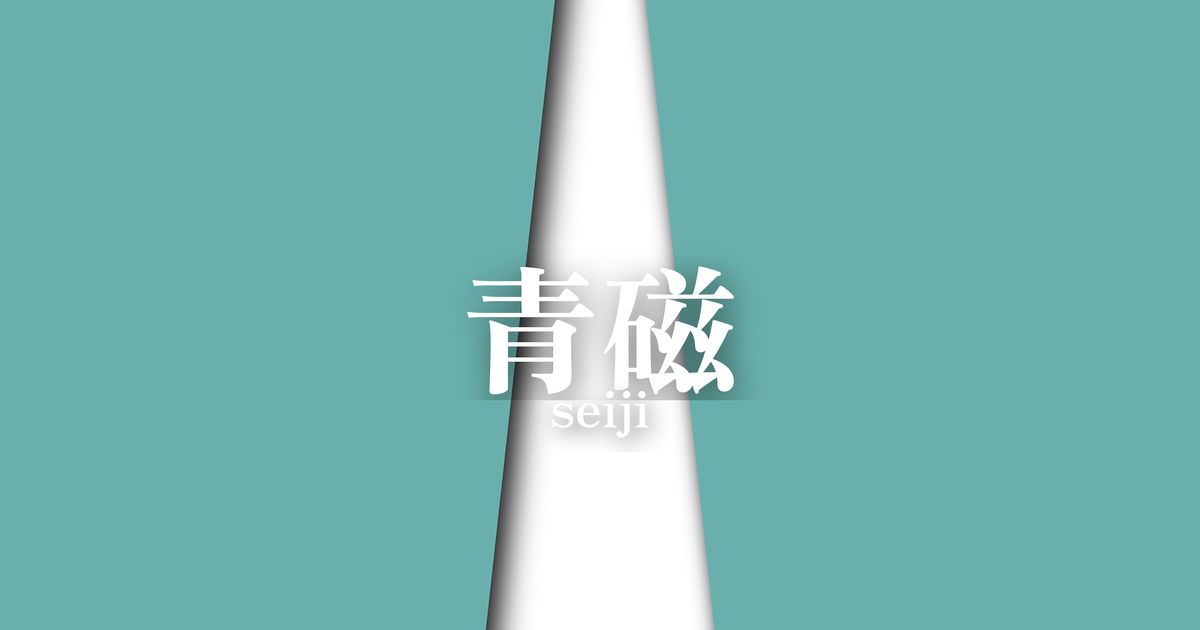
| Japanese color name | Celadon |
|---|---|
| reading | seiji |
| season | Miscellaneous (year-round/celebratory) |
| Color of the table | Celadon |
| Back color | White (shiro) |
What is celadon? Origin and etymology
The "Celadon" color combination, as its name suggests, originates from Chinese celadon porcelain. Celadon porcelain is characterized by its clear blue-green glaze and was a valuable imported item that was cherished by the aristocracy in Japan from the Heian period onward. This color combination expresses elegance and purity by combining the beautiful color of celadon porcelain (outer: celadon green) with the white of its base material (inner: white). It is said to have been worn not limited to a specific season, but mainly on formal occasions such as celebrations.
Historical background of celadon
In the aristocratic society of the Heian period, "Tang goods," imported from China, were highly prized. Among them, celadon porcelain, with its mystical hue, was also called "hisoku" (secret color) and held great value as furnishings in the imperial court. From this cultural background, it is thought that the color of celadon came to be considered a symbol of nobility and was incorporated into clothing as a color that people aspired to.
The "Masasuke Shōzoku Shō," a book on the customs of clothing believed to have been compiled during the Kamakura period, also mentions clothing that uses celadon green.
Related literature, waka poetry, and seasonal words
While there are no clear direct mentions of the "celadon" color combination in Heian literature such as The Tale of Genji or The Pillow Book, cool colors like "blue" and "green" are effectively used in these stories to symbolize the characters' intelligence, dignity, or melancholic moods. It is thought that the pure and noble hue of celadon was deeply connected to the aesthetic sensibilities of the Heian aristocracy.
In later generations, celadon porcelain itself was sometimes used as a subject for waka and haiku poetry.
A paler green than celadon, the spring mountains
Celadon season and scenery
The "celadon" color combination in traditional Japanese clothing was classified as "miscellaneous" and was worn year-round, regardless of the season. Its pure and dignified hue was particularly favored at celebratory occasions such as coming-of-age ceremonies and weddings, as well as formal ceremonies. This color scheme is said to be a reproduction of the artificial beauty of celadon porcelain, a treasure of China, with the blue-green on the outside symbolizing the deep luster of the glaze and the white on the inside symbolizing the pure clay body.
If we were to compare it to a scene from the natural world, it evokes a sense of serene and dignified beauty, similar to the clear sky after a rain shower or the jade-like color of a deep pool.
Color scheme proposals for celadon
Suou (#9E3D3F)
Sappanwood is a reddish dye and was one of the noble colors of the Heian period. The quiet blue-green of celadon and the deep red of sappanwood are almost complementary colors that enhance each other, giving an impression of formality and splendor. This is a traditional color combination that can also be seen in court attire.
Clove color (#F0DCB6)
Clove color is a pale yellowish-brown, a color dyed with cloves, a spice. The warm beige of clove color, combined with the cool impression of celadon, creates a gentle and natural atmosphere. This color scheme is suitable for interiors and Japanese accessories.
Black (#333333)
Ink black, being achromatic, best highlights the beautiful hues of celadon porcelain. The contrast between the clarity of the celadon and the richness of the ink black creates a modern and sophisticated impression. It is suitable for contemporary expressions such as web design and graphics.
Practical Scenes
In traditional Japanese clothing, pairing a celadon-colored visiting kimono or solid-colored kimono with a white obi or obi-jime (sash cord) allows for a modern expression of the pure and refined aesthetic of the "celadon" color combination. This attire is particularly suitable for occasions where elegance is required, such as celebratory events. Furthermore, this color scheme can be widely applied to modern designs. In interior design, using celadon green and white on walls and fabrics creates a clean and calming space.
When used in website or product packaging designs, it can convey a sense of trustworthiness and sophistication.