
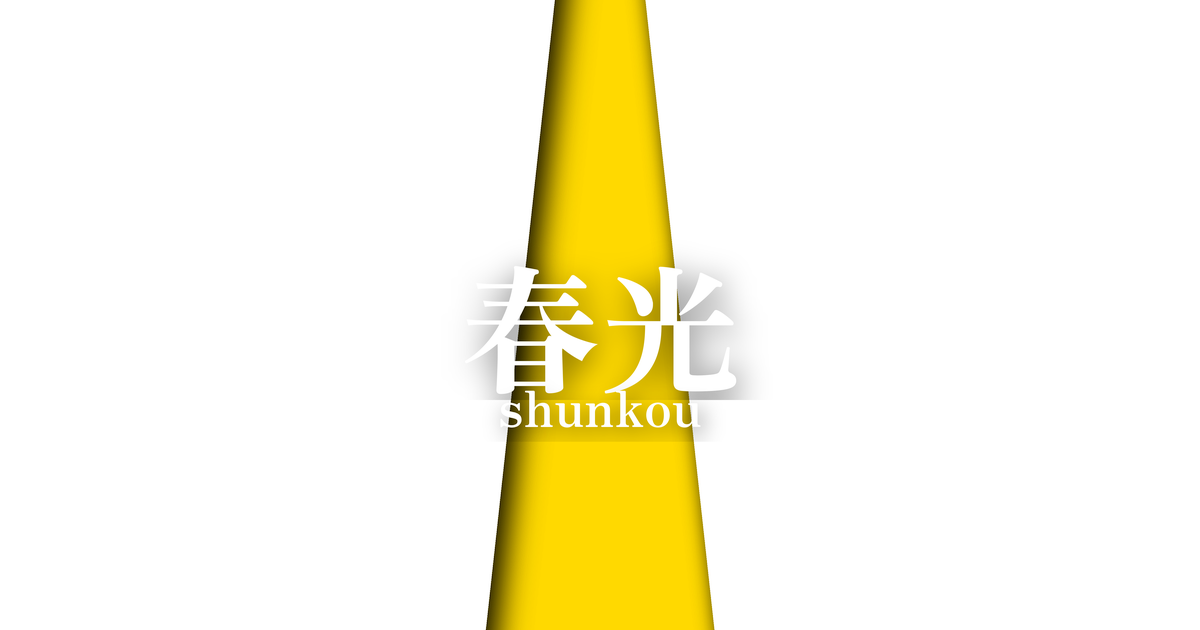
| Japanese color name | spring light |
|---|---|
| reading | shunkou |
| season | 春 |
| Color of the table | White (shiro) |
| Back color | Yellow (ki) |
What is Shunkō? Origin and etymology
"Shunko" (春光), as its name suggests, is a color combination that expresses the gentle and warm light of spring. The white on the front is said to symbolize the soft sunlight filtering through the spring mist. On the other hand, the yellow on the back evokes spring flowers such as rapeseed blossoms and dandelions blooming on the ground. This combination of two colors skillfully expresses a peaceful and vibrant scene of a spring field overflowing with light.
This color scheme reflects the aesthetic sensibilities of the Heian period aristocracy, capturing the rich and changing seasons of Japan with a delicate sense of color.
Historical background of Shunkō
The concept of layered color combinations (kasane no irome) is a refined aesthetic of color that developed among the court nobles as the Heian period's national culture matured. Expressing the changing seasons and natural scenery through the combination of colors in one's kimono was an important indicator of the wearer's education and refined sensibility. While there are not many clear historical records using the name "Shunko" (spring light), it is presumed that the combination of white and yellow, representing spring, was one attempt by people of that time to capture familiar natural landscapes in their clothing.
It is thought that it was favored for use in cheerful spring occasions such as celebrations at the imperial court and cherry blossom viewing parties.
Related literature, waka poetry, and seasonal words
It is difficult to find direct examples of the color name "Shunko" (spring light) appearing in literary works from the Heian period. However, the beauty of spring light and the scene of yellow kerria flowers in full bloom are depicted throughout "The Tale of Genji" and "The Pillow Book." For example, in the famous "Spring is dawn" section of "The Pillow Book," the sky is described as gradually turning white, revealing a keen observation of the subtle changes in spring light.
These literary influences are said to have fostered a culture of expressing spring scenes through color, contributing to the creation of elegant color palettes like those found in "Spring Light."
On this peaceful spring day, bathed in the gentle light of the distant sun, the blossoms scatter without a care in the world.
The season and scenery of spring light
"Shunko" (spring light) is a color scheme that symbolizes the feeling of spring, when the harshness of winter eases and all life begins. It is considered most appropriate to wear it from the beginning of spring (early February) until the end of the cherry blossom season (mid-April). The white on the outside evokes the soft sunlight veiled in spring mist, while the yellow on the inside is reminiscent of the flowers that adorn the spring fields, giving the viewer a warm and gentle impression. It is used in attire for events that celebrate the arrival of spring, such as cherry blossom viewing parties and the Peach Festival, and richly expresses the feeling of the season.
Springtime color scheme proposal
Light green (#A9D159)
The fresh green color of young grass sprouting in spring, when combined with the white and yellow of spring sunlight, vividly expresses the vibrant life of the spring fields and mountains. The result is a natural and harmonious color scheme.
Plum blossom color (#F2A0A1)
Adding the color of plum blossoms, which herald the arrival of spring, emphasizes a warm and vibrant impression. This lovely yet elegant color scheme is perfect for spring celebrations and festive occasions.
Light blue (#00A4AC)
The light blue color, reminiscent of the clear spring sky and pure water, adds a refreshing touch to the warm colors of springtime. This color scheme balances brightness and tranquility, creating a sophisticated impression.
Practical Scenes
In Heian period attire, it is presumed to have been primarily used as a layering of women's uchiki (outer robes). In modern Japanese clothing, incorporating it into the color scheme of visiting kimonos, casual kimonos, and nagajuban (undergarments) can create a light and cheerful atmosphere reminiscent of spring. It is also effective to use it as an accent with accessories such as obi (sashes) and obi-jime (sash cords).
The "spring light" color scheme has a wide range of applications in contemporary design. Using it in websites and advertisements for spring campaigns or new beginnings can create a hopeful and positive impression. In interior design, using this color scheme for cushions and curtains can create a space that feels as if it's filled with the bright light of spring.