
| Japanese color name | blue-purple |
|---|---|
| reading | aomurasaki |
| season | Miscellaneous (year-round/celebratory) |
| Color of the table | blue (ao) |
| Back color | Purple (murasaki) |
What is blue-violet? Origin and etymology
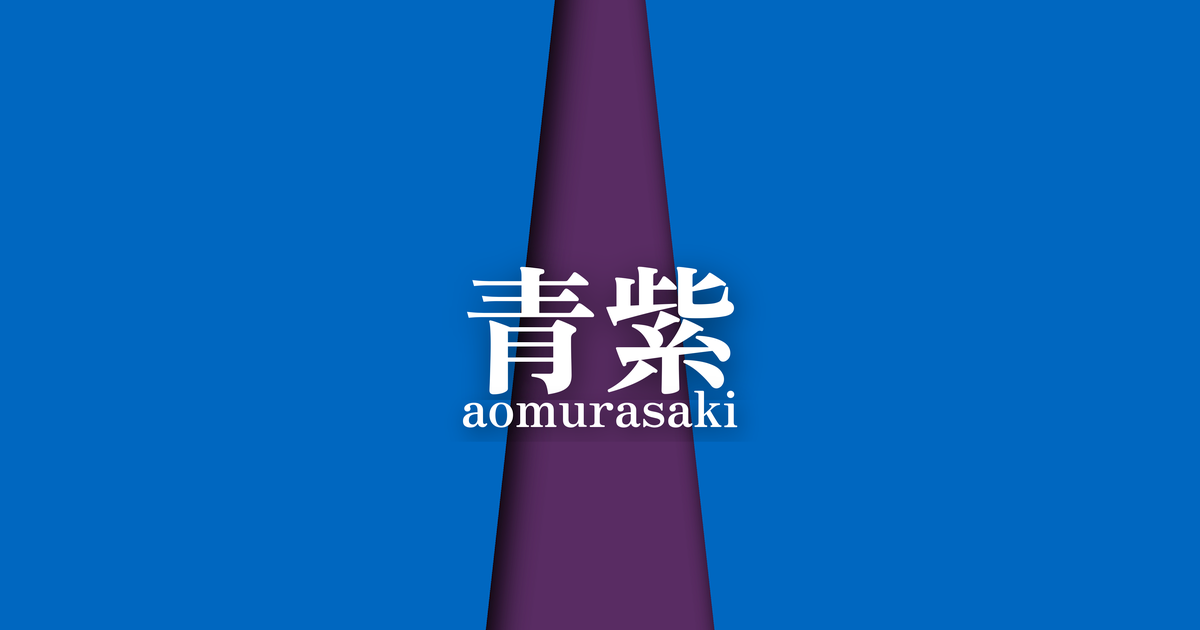
The color name "blue-violet" is a very direct name, simply combining the color of the outer fabric, "blue," and the color of the lining, "violet." Unlike many other color schemes that depict specific natural objects such as cherry blossoms or autumn leaves, it can be considered an abstract color scheme that pursues the beauty of the combination of colors themselves.
Both blue and purple have held special significance as noble colors since ancient times. Purple was the highest-ranking color in the Twelve Levels of Court Rank established by Prince Shōtoku, and blue was also revered as a deep color obtained from precious dyes. Combining these two noble colors creates a color scheme that is extremely dignified and majestic.
The historical background of blue-purple
In the aristocratic society of the Heian period, the color of clothing was an extremely important element that indicated the wearer's status, education, and aesthetic sense. The "blue-purple" layered kimono, due to its high status, is said to have been worn on auspicious occasions such as court ceremonies and banquets. Because it was suitable for any season, it was used on various occasions throughout the year.
This color scheme is thought to have been incorporated into various garments, such as the noshi (a type of formal attire worn by men as everyday wear) and the uchiki (a type of formal kimono worn by women). The combination of noble colors served not merely as decoration, but also as a visual indicator of the wearer's social status and authority.
Related literature, waka poetry, and seasonal words
It is difficult to pinpoint a specific classical literary work in which the color name "blue-violet" directly appears. However, its constituent colors, "blue" and "violet," frequently appear in Heian period literature such as "The Tale of Genji" and "The Pillow Book." In particular, purple is effectively used to express nobility and refinement, as it symbolizes Lady Murasaki, a major character in the story.
In these literary works, the colors of the clothing worn by the characters were an important device for hinting at their feelings and the atmosphere of the scene. The fact that a character wearing a layered kimono of "blue-violet" suggests how noble and refined they were depicted. While not a seasonal word because it doesn't evoke a specific season, its majestic hue harmonizes well with ceremonial scenes.
Blue-purple season and scenery
"Blue-violet" does not represent a scene of a specific season, and is therefore classified as a "miscellaneous" color that can be used year-round regardless of the season. This suggests that this color was created not as an imitation of nature, but rather with an emphasis on the symbolism and beauty of the color itself.
Due to its ability to be worn regardless of the season, it was highly valued for various ceremonies and celebrations held throughout the year. In particular, its dignified colors were favored for attire on important life milestones such as coming of age and weddings. Even today, it remains a universal color scheme that can be used in formal settings regardless of the season.
Blue-purple color scheme proposal
White (#FFFFFF)
By adding white, which conveys a sense of purity and sacredness, to the deep hues of blue and purple, the overall color scheme becomes more refined and dignified. This is a traditional combination also seen in the attire used in Shinto rituals and ceremonies.
Gold (#E6B422)
The combination of noble blue and purple with opulent gold creates a festive and vibrant atmosphere. This color scheme symbolizes the richness of the aristocratic culture of the Heian period and remains effective in conveying a sense of luxury and exclusivity in modern designs.
Light green (#A9D159)
Combining a deep, calming blue-violet with a vibrant, youthful green creates an unexpectedly fresh impression. This sophisticated color scheme maintains a classic elegance while also appealing to modern sensibilities.
Practical Scenes
In the Heian period, this color scheme is thought to have been used in men's court attire such as the Naoshi and Kariginu, and in women's uchigi, which make up the Itsutsuginu Karaginumo (Junihitoe). The noble colors served to indicate the wearer's social status and education to those around them.
In modern Japanese attire, incorporating a "blue-violet" color scheme into the patterns of visiting kimonos and formal kimonos, as well as accessories such as obi sashes and obi ties, can create a classic and dignified look. This is especially suitable for formal occasions such as weddings and ceremonies.
In the fields of interior design and web design, this color scheme gives depth, tranquility, and a sense of luxury to spaces and screens. It is also effective as a brand color for companies where reliability and expertise are required, or as a theme color for quiet, contemplative spaces.