
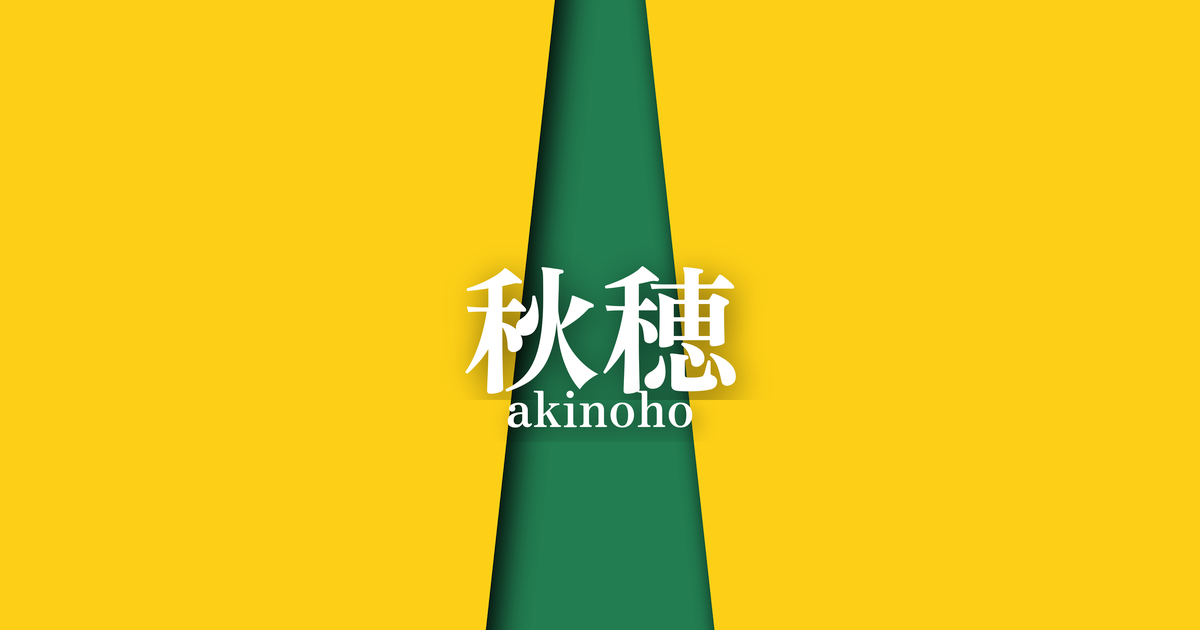
| Japanese color name | Akiho |
|---|---|
| reading | akinoho |
| season | 秋 |
| Color of the table | Gold (kin) |
| Back color | Green (midori) |
What is Akiho? Origin and etymology
Akinoho, as its name suggests, is a color combination that represents the golden rice stalks ripened in the autumn harvest season. The gold on the outside represents the rice stalks themselves, bowing their heads in abundance, while the green on the inside is said to symbolize the green of the rice leaves that still remain and the landscape of rice fields awaiting harvest. This combination of two colors skillfully expresses the scene of autumn harvest, which can be said to be a quintessential Japanese landscape. It is one of the color combinations that strongly reflects the aesthetic sense of the Heian aristocracy, who delicately captured the changing seasons of nature and incorporated them into the colors of their clothing.
Historical background of Akiho
The layered color schemes of the Heian period aristocracy were a reflection of their refined aesthetic sensibilities. They keenly observed the subtle changes of the seasons and incorporated them into the color combinations of their clothing to express a sense of the season. "Akiho" (autumn ears) is one such example, and it is said to have been worn as a color scheme symbolizing the abundant harvest of autumn. Although there are not many records of its use in specific ceremonies, it is presumed to have been a favorite attire for private occasions within the imperial court, as it conveyed the feeling of autumn.
This reveals the mentality of the people at that time who sought to become one with nature.
Related literature, waka poetry, and seasonal words
The color name "Akiho" does not appear directly in classical literature such as "The Tale of Genji" or "The Pillow Book." However, the "autumn rice stalks" represented by this color have long been an important motif in the world of waka poetry, symbolizing fertility and the pathos of things. "Autumn rice fields" and "rice stalks" are also established as seasonal words for autumn, and many poets have composed poems about this scenery.
This color scheme is deeply connected to such literary sensibilities, and it can be said that it was an attempt to recreate poetic scenes on the garments.
As evening falls, the autumn wind blows through the rice fields by the gate, and through the rounded reed hut.
The seasons and scenery of Akiho
The "Akiho" design evokes the rich scenery of a bountiful autumn harvest. It is traditionally worn from mid-autumn to late autumn, specifically around the 8th to 9th month of the lunar calendar, when the rice stalks turn golden. This color scheme is reminiscent of the beautiful contrast between the golden rice stalks swaying in the wind under a clear autumn sky and the still-green leaves and stems. It is believed to embody a celebration of a bountiful harvest and gratitude for nature's blessings, making it suitable attire for occasions enjoying the tranquil season, such as autumn outings or moon-viewing parties.
Akiho's color scheme proposal
Kutsuha color (#915E33)
Combining it with the same autumnal color, the tones of withered leaves, deepens the autumnal scene. The golden rice stalks and the brown of the fallen leaves form a unified earth-tone palette.
Indigo (#274A78)
The contrast between the golden "Akiho" and the deep indigo, reminiscent of a clear autumn night sky, is incredibly beautiful. The strong contrast and the way the colors complement each other creates a sophisticated impression.
Persimmon color (#ED743C)
By combining the color of rice stalks with the color of persimmons, another autumn delicacy, the image of a bountiful autumn harvest can be expressed more richly. The warm colors harmonize, creating a vibrant and lively impression.
Practical Scenes
The "Akiho" color scheme can be used in various fields even today. In traditional Japanese clothing, incorporating these colors into kimonos and obi sashes can create an autumnal feel and a sense of elegance. In interior design, the combination of gold and green brings a sense of calm and richness to a space, and using them as accent colors creates a sophisticated atmosphere.
Furthermore, incorporating this theme into website and advertising designs, such as in autumn feature pages or product packaging, can effectively convey the traditional beauty and seasonal feel of Japan.