
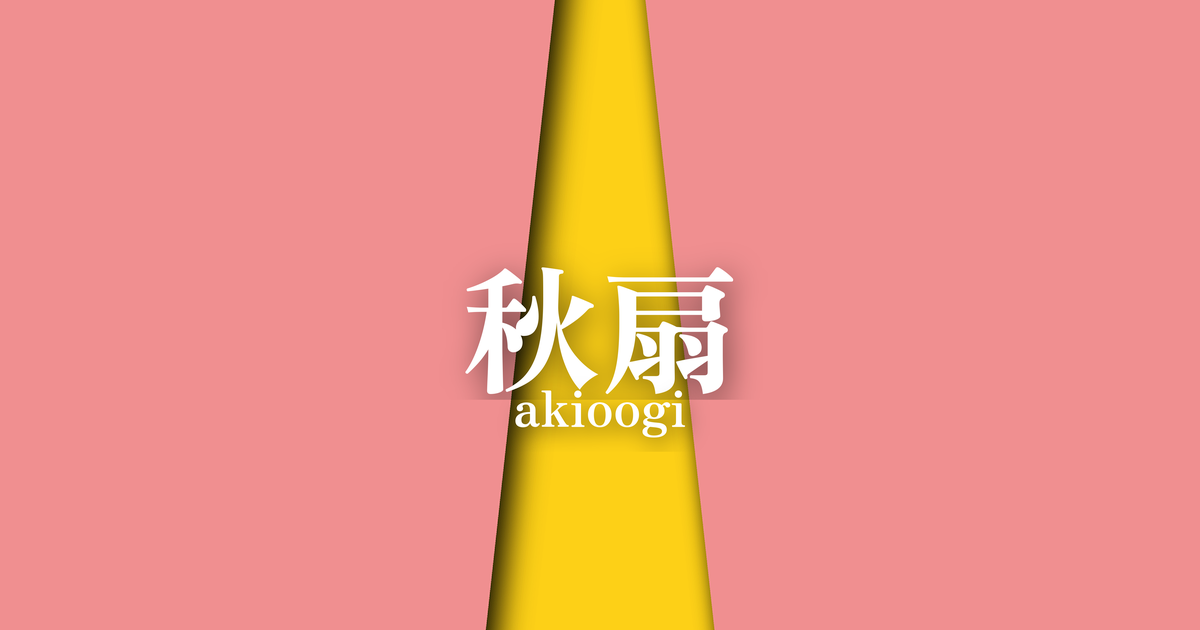
| Japanese color name | Autumn fan |
|---|---|
| reading | akioogi |
| season | 秋 |
| Color of the table | Light red (usubeni) |
| Back color | Gold (kin) |
What is an autumn fan? Origin and etymology
Aki-ōgi (Autumn Fan) is a color combination inspired by fans used in autumn, as its name suggests. The pale pink on the outside evokes the colors of autumn leaves as the season deepens and the sunsets that shine in the clear sky. On the other hand, the gold on the inside is said to symbolize the brilliance of ripe rice stalks and the moonlight that illuminates the autumn night. This combination of two colors reflects the refined aesthetic sense of the Heian aristocracy, who likened the delicate beauty of autumn nature and the abundance of the harvest season to a single fan.
Historical background of the autumn fan
The color combinations used in layered clothing played an important role in the aristocratic society of the Heian period. They incorporated the changing seasons into the color schemes of their clothing to express their education and sensibilities. "Autumn fan" is also thought to be one of the color combinations that expressed a sense of the season and was used in autumn attire. In particular, it is speculated that it was worn on private occasions to enjoy the atmosphere of autumn, such as viewing autumn leaves or moon-viewing parties.
Although there are not many specific records of people wearing this garment, the color scheme speaks volumes about how delicately people at that time perceived the beauty of nature.
Related literature, waka poetry, and seasonal words
Currently, there are no clear records of classical literature directly mentioning the color name "Akisen" (autumn fan). However, in Heian period stories and waka poetry, fans are depicted not merely as tools, but as important props that convey a sense of the seasons and personal feelings. Fans of various designs appear in "The Tale of Genji" and "The Pillow Book," adding to the elegant lives of the characters.
The color scheme of "Autumn Fan" resonates with the autumn scenes depicted in these literary works, such as fans the color of autumn leaves or fans illuminated by the moon, and can be said to strongly reflect the aesthetic sensibilities of the aristocratic culture of the time.
Autumn Fan: Season and Scenery
"Akisen" is a color combination that expresses the rich natural scenery of autumn. The light pink of the outer layer symbolizes the fiery red leaves of autumn, while the gold of the inner layer symbolizes the golden rice stalks and the moon floating in the clear night sky. This color scheme evokes both the splendor and abundance of autumn. The most appropriate time to wear it is from around August to September in the old lunar calendar, when autumn begins to deepen, which corresponds to late September to early November in the current calendar.
Wearing attire in these colors at occasions where people enjoyed the elegance of autumn, such as viewing autumn foliage or moon-viewing parties, expressed a sense of unity with the season.
Autumn fan color scheme proposal
Dark color (#4D2649)
The vibrant combination of light pink and gold is elegantly balanced by the deep purple, creating a noble and composed impression. This traditional color scheme is reminiscent of Heian period attire.
Gray (#D7C447)
The greenish-yellow, which harmonizes with the gold, evokes images of autumn plants and trees still bearing green leaves and abundant harvests. The overall color scheme is bright and emphasizes the image of a bountiful autumn.
Dark brown (#6F4B3E)
The subdued dark brown tones down the sweetness of the light pink and the splendor of the gold, creating a chic and modern impression. This color scheme is easy to incorporate into contemporary fashion and interior design.
Practical Scenes
In the Heian period, the "autumn fan" color scheme was presumably used primarily in women's clothing such as uchiki (a type of kimono). This color combination, reflecting the seasonal atmosphere, was an important element in demonstrating refinement and aesthetic sense. In modern times, incorporating this color scheme into kimonos, obi (sashes), and obiage (sash ties) and other Japanese clothing accessories can create a classic yet vibrant autumn look.
Furthermore, this technique can be applied not only to traditional Japanese clothing but also to graphic design, interior design, and product packaging. The combination of light pink and gold creates an elegant and warm atmosphere, evoking the beauty of autumn in Japan in the viewer.