
| Japanese color name | Autumn clouds |
|---|---|
| reading | akigumo |
| season | 秋 |
| Color of the table | Ash (hai) |
| Back color | White (shiro) |
What is "Akigumo"? Origin and etymology
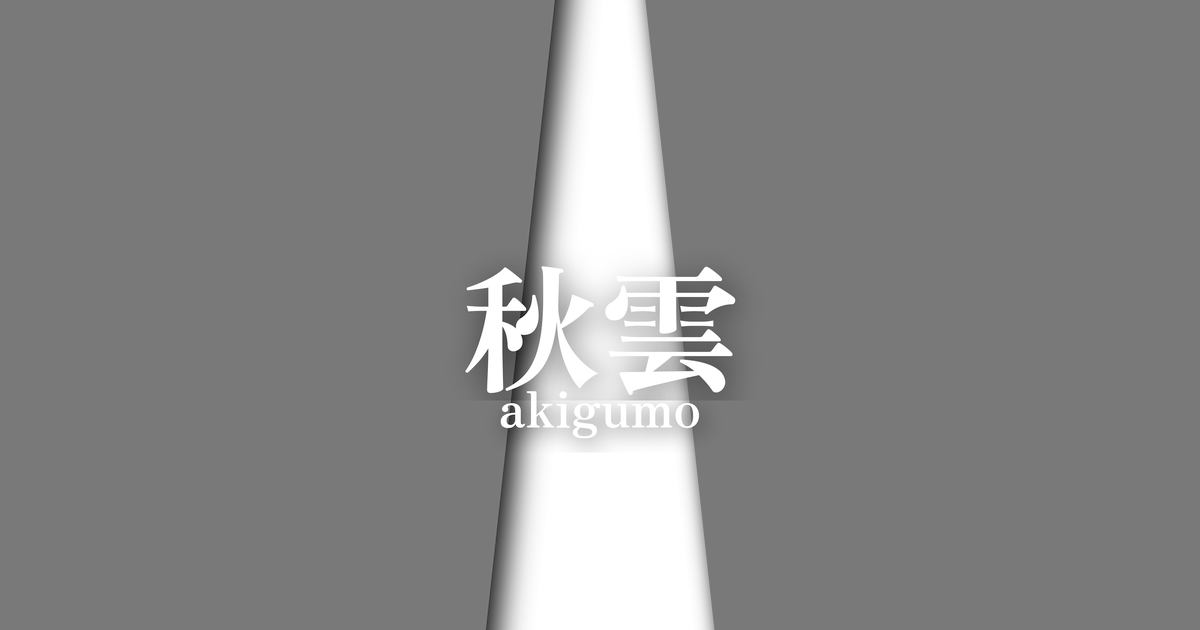
"Akigumo" (autumn clouds), as the name suggests, is a color combination that expresses the appearance of clouds floating in the autumn sky. The "gray" used on the outer layer is said to symbolize the delicate clouds, such as cirrocumulus and mackerel clouds, that drift across the high autumn sky, and their shadows. On the other hand, the "white" on the inner layer is thought to represent the brightness of the sky peeking through the gaps in the clouds, and the clouds themselves shining in the sunlight.
This combination of two tranquil colors beautifully captures the clear, slightly melancholic yet pure sky characteristic of autumn.
Historical background of autumn clouds
The concept of layered colors (kasane no irome) is a uniquely Japanese aesthetic of color that developed during the Heian period as the national culture matured. The aristocrats of that time were keen to perceive natural landscapes and the changing seasons, and expressed their refinement and sophisticated sensibilities by reflecting these in the color schemes of their clothing. It is believed that color combinations reflecting the seasons, such as "autumn clouds," were worn in various settings, including court ceremonies and private banquets.
In particular, it was likely favored as attire that matched the atmosphere of autumn events such as viewing the autumn leaves and moon-viewing parties.
Related literature, waka poetry, and seasonal words
The color name "Akigumo" (autumn clouds) has not yet been found to directly appear in representative Heian period literary works such as "The Tale of Genji" or "The Pillow Book." However, in these stories, the appearance of the autumn sky and clouds is frequently depicted as a scene symbolizing the characters' feelings. Scenes in which characters gaze at the clouds drifting across the sky and become lost in thought, or descriptions of feeling the changing of the seasons when they see the moon through a break in the clouds, strongly reflect the aesthetic sensibilities of the aristocracy of that time.
It is conceivable that those who wore the colors of "autumn clouds" were associating such literary scenes with their attire.
The moonlight shines brightly through the gaps in the clouds drifting in the autumn breeze.
Autumn clouds and scenery
"Autumn Clouds" is a color scheme worn in autumn, especially from September to November. In contrast to the powerful cumulonimbus clouds of summer, it represents the delicate and somewhat ephemeral clouds of autumn. The calm color scheme, woven from gray on the outside and white on the inside, evokes the clear air and tranquility of autumn. This color scheme is suitable for occasions where intelligence and elegance are valued more than flashiness, and was ideal for attire when quietly enjoying the autumn nature, such as moon-viewing parties, the Chrysanthemum Festival, and autumn leaf viewing.
Even today, this elegant color scheme is used as inspiration to express the feeling of autumn.
Autumn Clouds Color Scheme Proposal
Withered leaf color (#917347)
The withered leaf color, reminiscent of fallen autumn leaves, combined with the gray of "Autumn Clouds," creates a contrast between the sky and the earth, richly expressing the autumn scenery. The combination of these subdued colors gives a deep and harmonious impression.
Bellflower color (#5A4F9F)
The purple of the bellflower, one of the seven autumn flowers, adds elegance and grace to the achromatic combination of "autumn clouds." The combination of quiet gray and noble purple conveys the refined aesthetic sense of the Heian aristocracy to the modern age, creating an intellectual impression.
Moon White (#EAF4FC)
The very pale, bluish-white color reminiscent of moonlight, "Tsukishiro," resonates with the white of "Akigumo" (autumn clouds), painting a serene scene of the autumn night sky. The subtle differences in color create a minimalist, sophisticated, and transparent atmosphere.
Practical Scenes
During the Heian period, "Akigumo" (autumn clouds) was primarily used in layering women's uchiki (outer robes) and was a popular choice for expressing the feeling of autumn. Its subdued colors are thought to have been particularly chosen for occasions where ostentation was to be avoided, and for people who preferred an intellectual aesthetic. In modern Japanese clothing, the "Akigumo" color scheme can be incorporated by combining a gray kimono with a white obi (sash), or vice versa, resulting in a refined and elegant look.
In the fields of interior design and web design, this minimalist color scheme creates a quiet and calming atmosphere, giving an intelligent and trustworthy impression, making it suitable for studies, museums, and corporate websites.