
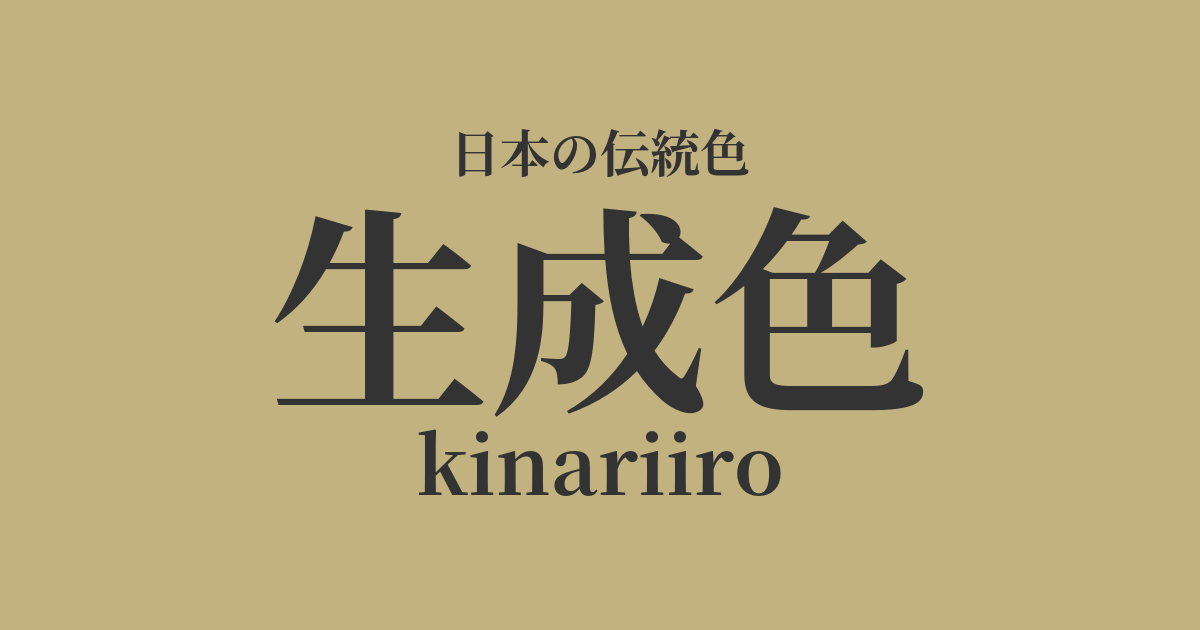
| Japanese color name | generation color |
|---|---|
| reading | kinariiro |
| HEX | #C2B280 |
| RGB | 194, 178, 128 |
What is natural color? Origin and etymology
"Natural color" refers to the natural color of yarn or fabric before any processing such as bleaching or dyeing. The word "natural" itself means an unprocessed, unaltered state. Specifically, it refers to the very pale yellowish-white or light brown color of natural fibers such as cotton, linen, and silk. It is characterized by its simple and warm texture unique to natural materials, and its uneven color, which cannot be artificially created, is also considered one of its charms.
The French word "écru" similarly means "unprocessed, unbleached," and is often used almost synonymously with ecru.
Historical background of natural colors
Natural, unbleached cotton has long been a color deeply rooted in people's lives. Before the widespread availability of expensive dyes and complex dyeing techniques, it is said that ordinary people's clothing was generally made of natural, unbleached cotton that showcased the natural color of the material. Especially in the Edo period, as cotton cultivation spread, durable and inexpensive natural cotton cloth became widely used for everyday wear, work clothes, and underwear for ordinary people.
While brightly dyed, elaborate kimonos were the domain of samurai and wealthy townspeople, off-white was a color that symbolized the lives of ordinary people. Since the modern era, with the rise of a naturalistic trend, its simple beauty has been re-evaluated, and it has become a popular color in fashion and interior design today.
Related literature, waka poetry, and seasonal words
While the color name "natural white" doesn't appear directly in classical literature very often, the underlying concept of "undyed cloth" has been depicted in various contexts. For example, "soi" or "shirotae," made from undyed linen, is sometimes celebrated in waka poetry as a symbol of purity and simplicity. In stories, there are also instances where characters deliberately wear undyed white garments as attire for mourning.
These expressions are thought to reflect the cultural imagery associated with the purity and primal state of the colors of unprocessed materials.
Color scheme preview
This is to check the readability of the text when this color is used as the background.
Color scheme proposal for ecru
Indigo (#243A6C)
Unbleached cotton and indigo dyeing are a traditional color combination in Japanese life. The addition of deep, calming indigo to the simple, natural unbleached color gives the overall look a refined feel, conveying a sense of cleanliness and trustworthiness.
Crimson (#B7282E)
By combining the natural color of ecru with the color of madder, also derived from plants, a warm and emotional atmosphere is created. The madder color, reminiscent of twilight, enhances the gentleness of the ecru, resulting in a color scheme that evokes a sense of nostalgia.
Nightingale (#6C6A2D)
The combination of the off-white, dry earth-like hue and the olive-green, budding leaf-like hue evokes the harmony of nature. It is suitable for creating a calm, reassuring, and peaceful natural space.
Practical Scenes
Ecru is versatile and can be used in a variety of situations due to its natural texture. In the world of kimono, it is often seen in everyday wear made of cotton or linen, as well as yukata and juban (undergarments), and its simple beauty that makes the most of the material's texture is appreciated. By adding color with obi (sashes) and accessories, a wide range ofコーディネート (outfit combinations) can be enjoyed.
In interior design, incorporating it into curtains, sofa covers, and linens brings a bright and calming atmosphere to the entire room. It pairs particularly well with wooden furniture and houseplants, contributing to the creation of a relaxing space. It is also characterized by its ability to easily blend with various styles, both Japanese and Western.
In web and graphic design, using it as a background color can enhance the content while creating a visually pleasing impression. It is particularly effective for brands dealing with organic products or when aiming to express a minimalist and natural aesthetic.