
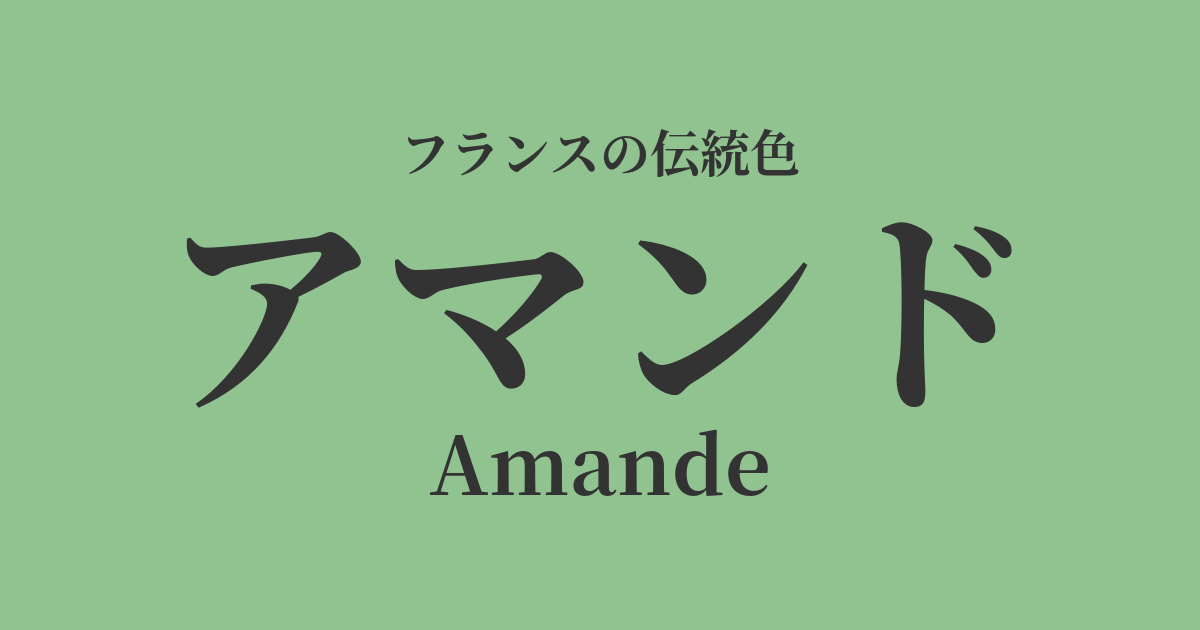
| French | Amande |
|---|---|
| Katakana | Akado |
| HEX | #90C390 |
| RGB | 144, 195, 144 |
What is Amand? Origin and Etymology
"Amande" is the French word for almond. As the name suggests, it refers to a gentle, pale green color reminiscent of the soft shell of a young, unripe almond.
This color evokes both the vitality of young leaves sprouting with the arrival of spring and a sense of calm tranquility. As it is a color found in nature, it is said to give viewers a pleasant sense of security and evoke positive images such as hope and rebirth.
The historical background of Amand
Elegant pastel colors like almond were particularly beloved in 18th-century France during the Rococo period. In this era when court culture flourished, noblewomen such as Marie Antoinette and Madame de Pompadour favored light and refined colors.
Almond was an extremely popular color in fashion and interior design at the time. It was used in a variety of applications, from luxurious dress fabrics and delicate porcelain paintings to wallpaper adorning interior walls, creating elegant and comfortable spaces. It is also said to have been associated with the longing for nature and pastoralism of the era, and was highly valued as a color that brought the tranquility of nature into court life.
Almonds in the world of art and fashion
The color of almond resonates deeply with the artistic worlds of Jean-Honoré Fragonard and François Boucher, leading painters of Rococo art. In their depictions of mythological landscapes and the elegant daily lives of the nobility, a pale green reminiscent of almond is skillfully incorporated into the clothing and backgrounds, enhancing the sweet and dreamlike atmosphere.
In the world of fashion, almond is a color that has been loved across generations. Its refreshing and natural appeal is particularly noticeable in spring and summer collections. It pairs exceptionally well with natural materials such as linen and cotton, creating a comfortable and sophisticated style. Furthermore, it is used as the base color in the traditional French textile "Toile de Jouy," and is cherished as a color that expresses both classic and modern sensibilities.
Color scheme preview
This is to check the readability of the text when this color is used as the background.
Amand's color scheme proposal
Rose Pompadour (#EDADC7)
This elegant and sweet combination is symbolic of the Rococo era. The feminine atmosphere, reminiscent of Marie Antoinette's world, adds glamour and sophistication to interiors and fashion.
Bisque (#F5DDB8)
When combined with bisque, the color of unglazed pottery, it creates a very natural and calming impression. It pairs well with furniture made from natural materials and linen fabrics, creating a comfortable space.
Gris de Ran (#DCD7D1)
The sophisticated gray, reminiscent of flaxen thread, subtly balances the sweetness of the almond color, creating an intelligent and modern atmosphere. This color scheme is recommended for urban and elegantコーディネート and web design.
Practical Scenes
In interior design, using almond in large areas such as wallpaper or curtains will envelop the entire space in a bright and calming atmosphere. Combining it with white or light-colored wood furniture can create a natural Scandinavian style or a French chic space. It's also recommended to use it as an accent in smaller items such as cushions and rugs.
In fashion, this color is perfect for blouses and dresses in spring and summer. Its soft hue brightens the complexion and gives a gentle, elegant impression. Combining it with neutral colors such as white, beige, and light gray creates a sophisticated look.
In web and graphic design, this color is well-suited to the brand image of organic cosmetics, baby products, and lifestyle brands. It's an effective color when you want to convey a sense of security and a clean impression to users.