
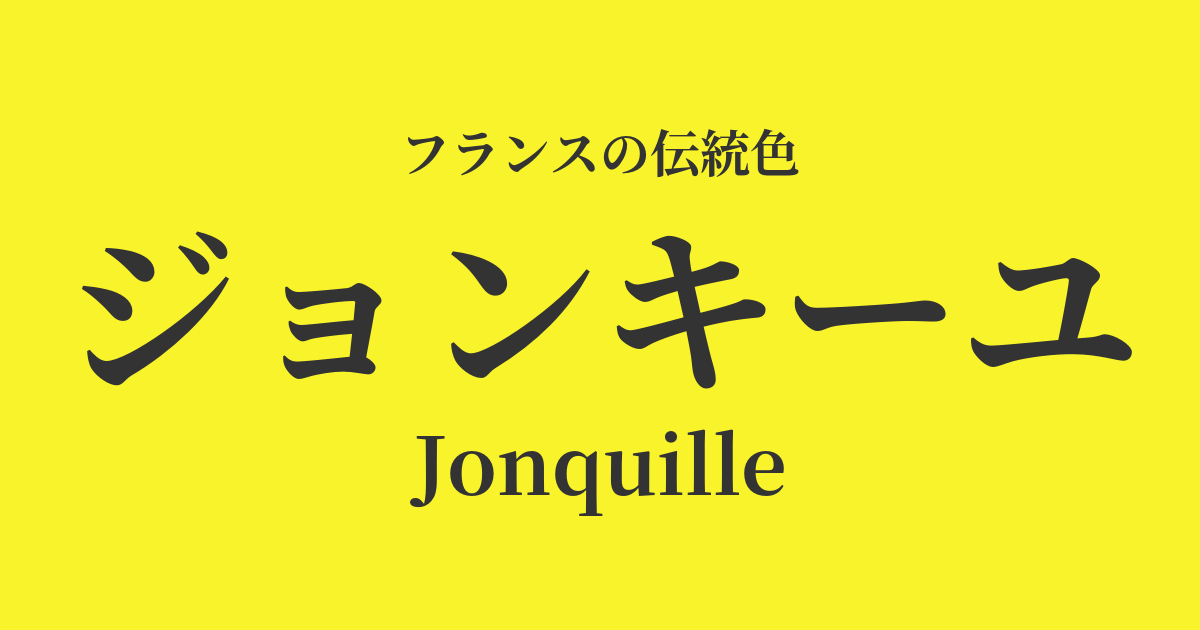
| French | Jonquille |
|---|---|
| Katakana | Jonquil |
| HEX | #f8f32b |
| RGB | 248, 243, 43 |
What is a jonkille? Origin and etymology
Jonquille is a French word meaning "yellow daffodil." As the name suggests, it derives from the vibrant and beautiful color of the yellow daffodil flower that blooms with the arrival of spring.
The origin of this color lies in the scientific name of the yellow daffodil, *Narcissus jonquilla*. Native to Spain and Portugal, this flower has been loved in Europe since ancient times, and its vibrant colors have brought hope and joy to people's hearts.
Jonquille, which captures a beautiful moment in nature, is not simply yellow, but is deeply rooted in French color culture as a symbol of spring sunshine, the breath of new life, and rebirth.
Historical background of Jonquil
The bright yellow of jonquille was extremely popular in French history, particularly during the Rococo period of the 18th century. Court ladies, including Marie Antoinette, were drawn to nature and favored dresses and accessories featuring floral motifs. Jonquille was one of the fashionable colors that adorned their wardrobes.
During this period, people sought an ideal life away from the rigid life of the court, opting instead for a peaceful existence in the countryside. The color of Jonquille was also cherished as a symbol of this spirit of returning to nature.
Later, during the Art Nouveau period from the late 19th to the early 20th century, this color once again attracted attention. In this artistic style, which made extensive use of natural motifs such as plants and insects, Jonquille's organic and vibrant yellow added vivid color to posters, glass art, and jewelry designs.
Jonquil in the world of art and fashion
In the world of art, bright yellows like jonquille were indispensable, especially for Impressionist painters who pursued the expression of light. We can find this color's hues of light and joy in Claude Monet's sun-drenched gardens and Pierre-Auguste Renoir's joyful scenes of people.
In the world of fashion, jonquille has always been a symbolic color for spring and summer collections, continuing to inspire designers throughout the ages. Expressing hope and happiness, this color is used as an accent in dresses, blouses, and scarves, bringing elegance and a positive impression to the wearer.
Furthermore, jonquille yellow is sometimes effectively used in plant motifs found in traditional French textiles, such as "Toile de Jouy." When combined with other colors, it creates a vibrant spring landscape on the fabric.
Color scheme preview
This is to check the readability of the text when this color is used as the background.
Jonquil's color scheme proposal
Vert Veronnaise (#578562)
This color scheme, reminiscent of daffodils and leaves, is natural and full of vitality. It gives a fresh and youthful impression, breathing new life into your interior and fashion.
Blue Lavande (#919BC9)
This combination evokes the spring scenery of southern France. The brightness of the jonquille and the gentleness of the lavender complement each other, creating a refreshing and pleasant space.
Blanc d'Argent (#E8E4D9)
The vibrant color of the jonquille is elegantly enhanced by the silvery-white, creating a sophisticated color scheme. It feels modern yet warm, giving a clean and bright impression.
Practical Scenes
In interior design, jonquille is an ideal accent color that brings brightness and vitality to a space. Simply incorporating it into small items such as cushion covers, curtains, art posters, or single-flower vases will envelop the entire room in a positive atmosphere. It pairs particularly well with spaces based on white tones and with natural wooden furniture.
In fashion, jonquille is a key color for spring and summer outfits. Boldly incorporating it into dresses and skirts, or using it as an accent color in bags and scarves, instantly brightens up your look. When paired with basic colors like navy, gray, and beige, the beauty of jonquille stands out, creating an elegant and sophisticated style.
Jonquille is also effective in web and graphic design. Using it on buttons or banners you want to grab the user's attention can convey fun and energy. However, because it's such a striking color, using it strategically and strategically with ample white space is key to achieving a sophisticated design.