
| Color name | jellyfish |
|---|---|
| reading | Kaigetsu |
| pinyin | haiyue |
| HEX | #D4E2E7 |
| RGB | 212, 226, 231 |
What is a jellyfish? Origin and etymology
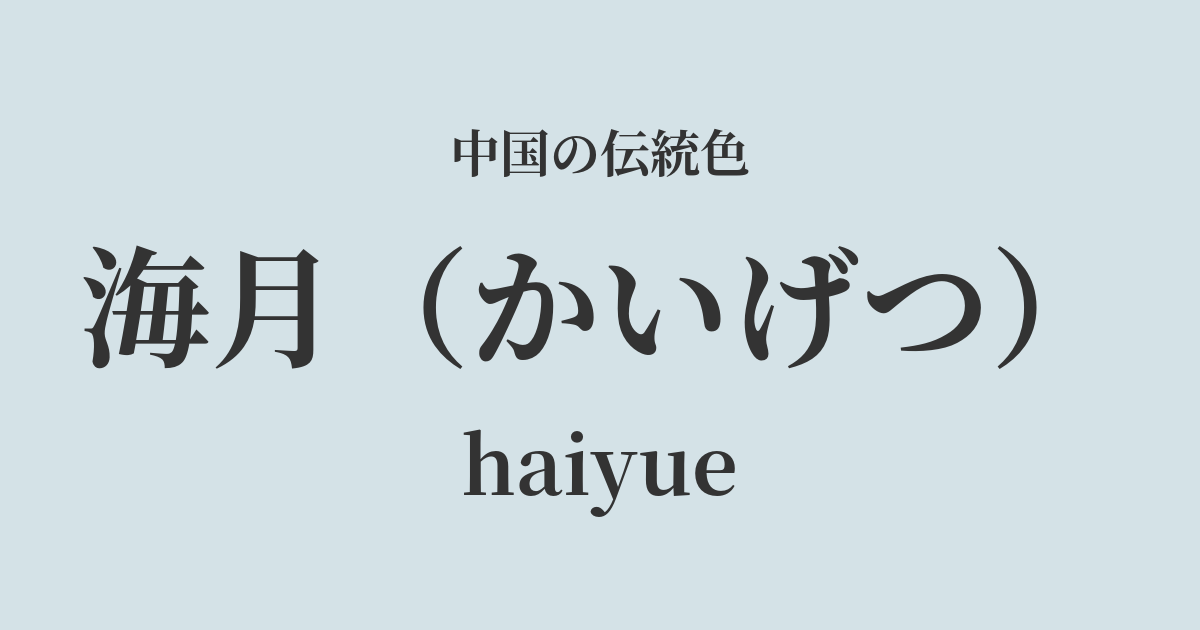
"Kaigetsu" (jellyfish) is, as the name suggests, a very pale bluish-white color that resembles the light of the moon reflected on the sea.
The color's origin lies in the ethereal and serene scene of the calm sea surface at night, faintly glowing with a pale blue light from the moonlight in the sky. Rather than derived from physical pigments, it's a color name born from the poetic scenery created by nature, making it a truly emotionally rich choice.
In Japanese, "kurage" refers to jellyfish, but in this traditional color, it expresses the serene beauty created by the interplay of the sea and the moon.
This color evokes tranquility, purity, and a somewhat introspective atmosphere. It gives a calm and intellectual impression, symbolizing a time to step away from the hustle and bustle and reflect quietly.
Historical background of jellyfish
There are not many records indicating that the color "jellyfish" was designated as the official color of any particular dynasty. However, its poetic resonance and delicate hue have been deeply cherished by writers who valued harmony with nature and spirituality.
In particular, it deeply resonates with the aesthetic sensibilities of the Song Dynasty, which avoided ostentation and pursued a simple yet refined beauty. During this era, literati secluded themselves in their studies, devoting themselves to expressing natural landscapes through poetry and painting. Jellyfish was a color perfectly suited to coloring their inner world.
Furthermore, in Taoist thought, which views all things through the fundamental principle of "the Way," the calm and clear color of a jellyfish is thought to have been favored as a color that symbolizes a state of effortless naturalness and inner peace.
Jellyfish in Chinese Art and Crafts
The jellyfish's color is very similar to the glaze of "qingbai porcelain," also known as "yingqing," fired during the Song Dynasty. Qingbai porcelain is characterized by its translucent and deep appearance, with a thin blue glaze over a white body, reminiscent of jade. This pale, pure blue truly embodies the world of jellyfish.
In the world of ink painting, it is rare to depict moonlight itself with color. However, when depicting night scenes, the subtle presence of light, like that of a jellyfish, can be conveyed through the use of varying shades of ink and negative space. This delicate nuance of color can be found in depictions of the moon reflected on the water's surface.
In fashion culture, this color is thought to have been used in the clothing of women of letters and the aristocracy, symbolizing integrity and modesty. In particular, when expressed in lustrous silk fabrics, this color would have emitted an elegant glow like moonlight, enhancing the wearer's intelligence.
Ikkataumi Gekiaki, Terumi Sanzanyuki.
Color scheme preview
This is to check the readability of the text when this color is used as the background.
Jellyfish color scheme proposal
Moon white (#D9D6C3)
This combination also uses "Tsukishiro," a color derived from moonlight. The bluish and yellowish light resonate with each other, creating a very delicate, serene, and refined impression.
Raven blue (#42426F)
The "Crow Blue" background, reminiscent of the deep darkness of night, highlights the subtle brightness of the "Jellyfish." The contrast, like that between the night sky and moonlight, creates a dramatic and dignified impression.
Willow green (#A9A53F)
The gentle color scheme evokes the image of willow leaves illuminated by moonlight. A subtle sense of life is added to the stillness, creating an elegant yet approachable, natural, and gentle impression.
Practical Scenes
When incorporated into interior design, it brings tranquility, cleanliness, and a sense of spaciousness to a space. It's particularly effective for use on wallpaper and linens in bedrooms and studies, helping to create a calming and relaxing environment. It pairs well with white, gray, and light wood tones.
In fashion, this color is perfect for creating an elegant and sophisticated look. Its delicate hue is highlighted when incorporated into blouses and dresses made from high-quality materials such as silk and linen. Because it's not overpowering, a monochrome outfit with other light colors also creates a refined impression.
In web and graphic design, using it as a background color can express a minimalist and clean aesthetic. It pairs well with designs that make good use of white space and is suitable for technology-related fields where you want to convey trustworthiness and innovation, or for healthcare-related fields where calmness is important.