
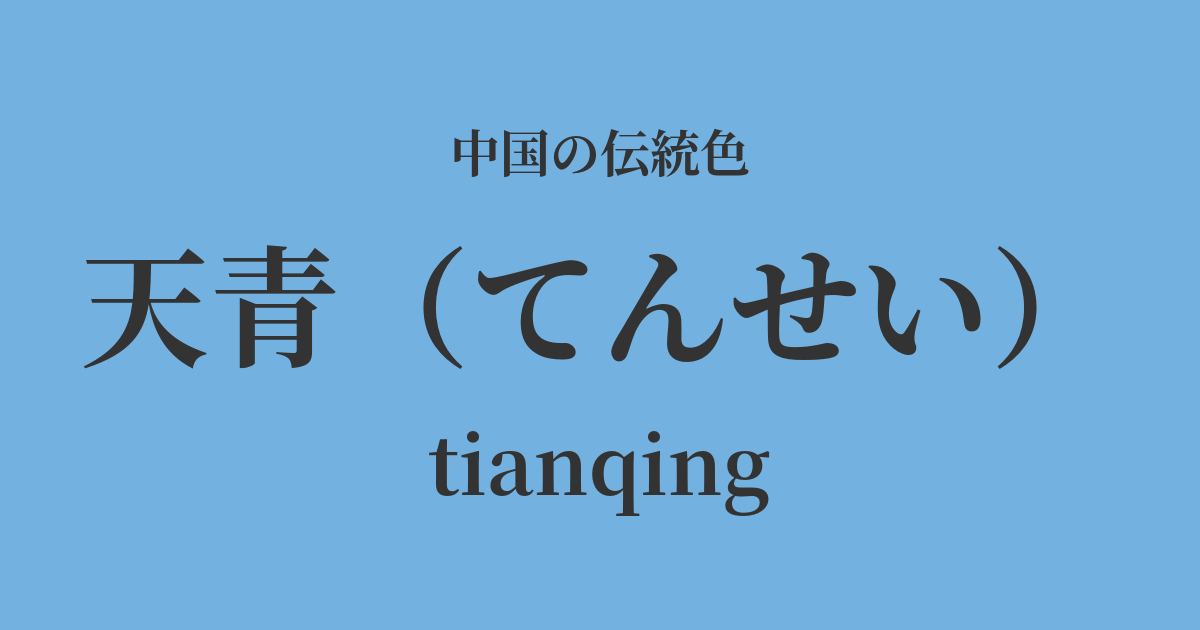
| Color name | Tensei |
|---|---|
| reading | Reincarnation |
| pinyin | tianqing |
| HEX | #73B1E0 |
| RGB | 115, 177, 224 |
What is Tensei? Origin and etymology
Tensei, as the name suggests, refers to the "blue of the sky," especially the color of the clear sky after the rain has stopped; it is a quiet and profound shade of blue.
The name of this color was immortalized by the celadon ware known as "Ru ware," produced during the Northern Song dynasty in China. An anecdote tells of Emperor Huizong, seeking the ideal blue, ordering, "The blue of the sky after the rain, the color of where the clouds part—that is the color of the vessels to be made from now on." This legendary passage solidified the image of the color sky blue.
The historical background of Tensei
The color "sky blue" was most highly valued during the reign of Emperor Huizong of the Northern Song Dynasty (1100-1126), who deeply loved the arts. He was deeply devoted to Taoism, and its philosophy greatly influenced his aesthetic sense. In Taoism, blue is considered a sacred color symbolizing the East, the beginning of life. It is believed that the Taoist philosophy, which dislikes ostentation and values natural and effortless beauty, provided the fertile ground for the serene and understated "sky blue" of Ru ware.
Because Ru ware was produced only for the imperial court for a mere 20 years, it is said that fewer than 100 pieces exist worldwide, and it is known as the "legendary celadon." Due to its rarity and sublime beauty, it was treated as a treasure by emperors of later eras, and Emperor Qianlong of the Qing Dynasty loved this color so deeply that he had poems inscribed on Ru ware pieces that he owned.
Tianqing in Chinese Art and Crafts
The artwork that best symbolizes the color of sky blue is, needless to say, "Ru ware celadon." Its unique blue color is created by a technique called "reduction firing," in which trace amounts of iron in the glaze are fired in a kiln under low oxygen conditions. The surface of the finished piece develops a fine crackle pattern called "kannyu," which becomes a landscape and adds to its profound beauty.
Furthermore, in the realm of fashion culture, it is said that literati and aristocrats of the Song dynasty favored such subdued shades of blue. The celestial blue quietly reflects the Song dynasty's aesthetic sense, which avoided flashy decorations and valued the quality of materials and refined colors.
When the rain passes, the blue clouds break down, and the future is full of complexions.
Color scheme preview
This is to check the readability of the text when this color is used as the background.
A color scheme proposal for sky blue
Tsukihaku (#EAEBE6)
The tranquility of the sky blue is enhanced by the pure white of the moon, creating an intellectual and minimalist impression reminiscent of the works of Song dynasty literati. It is ideal for expressing a serene worldview like that of ink painting.
Aoi green (#A4B5A1)
The natural color scheme evokes the clear sky after the rain and the fresh greenery of plants. It creates a calm and peaceful space, bringing a natural yet sophisticated atmosphere.
Blue color (#EDD1D5)
The cool impression of the sky blue is combined with the soft warmth of the lotus root color, creating an elegant and feminine atmosphere. It is recommended when you want to add a touch of refined glamour without being overly dramatic.
Practical Scenes
In interior design, incorporating it as an accent wall in a living room or study adds depth and tranquility to the space. It pairs well with white furniture and wood, and using it as a pop of color in cushions or artwork creates a sophisticated impression.
In fashion, incorporating this color into high-quality natural materials such as silk blouses and linen dresses highlights its delicate beauty. It gives an intelligent and sophisticated impression, making it versatile for everything from office casual to special occasions.
In web design and graphics, using it as a background color can convey a sense of trustworthiness and cleanliness. When combined with a minimalist design, it helps to highlight content while building a quiet and thoughtful brand image.