
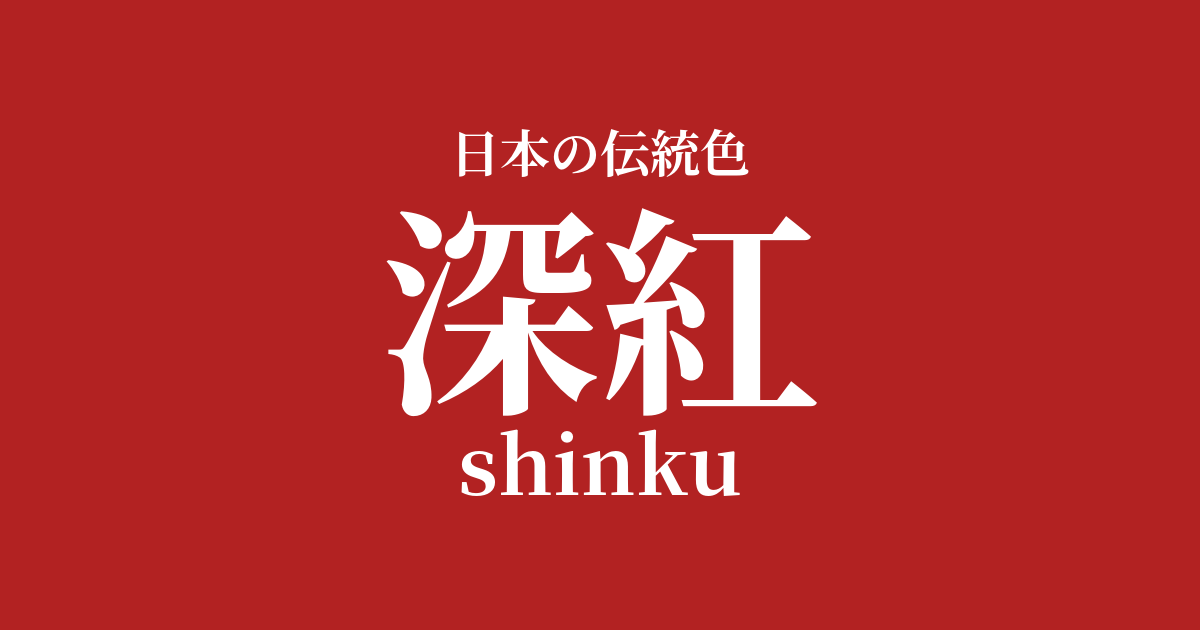
| Japanese color name | deep red |
|---|---|
| reading | shinku |
| HEX | #B22222 |
| RGB | 178, 34, 34 |
What is crimson? Origin and etymology
Crimson, as its name suggests, is a color name meaning "deep red." This vivid and deep red is mainly produced using safflower petals as a dye. The color gradually deepens through a process called "re-dyeing," in which the fabric is repeatedly immersed in a dye solution extracted from safflower and dried, eventually reaching a deep crimson hue. Particularly deep-dyed pieces are also called "true crimson," and due to its rarity and labor-intensive production method, it has long been treated as a very expensive and precious color.
Crimson historical background
The technique of dyeing with safflower is believed to have been introduced to Japan from China via the Silk Road during the Asuka period. During the Heian period, crimson became one of the "forbidden colors" that only high-ranking nobles and members of the imperial family were permitted to wear, and it was strictly controlled as a color symbolizing status and authority. The Engishiki, a legal code of the time, also describes dyeing methods using safflower in detail, suggesting that it was an important product of the imperial court.
During the Edo period, with the development of a wealthy townspeople's culture, safflower dyeing became popular among the common people, but the finest crimson remained a symbol of wealth.
Related literature, waka poetry, and seasonal words
Crimson has frequently been depicted in classical Japanese literature as a color symbolizing nobility, beauty, and passionate emotions. In Heian period literature, including "The Tale of Genji," crimson is effectively used as the color of the clothing worn by the female characters, highlighting their high status and beauty. In the world of waka poetry, the fiery red of autumn leaves or the intensity of a loving heart are sometimes expressed as "karakurenai."
This color is reminiscent of crimson and has played a role in connecting the beauty of nature with human emotions.
Even in the age of the gods, such a thing has never been heard: the Tatsuta River is dyed crimson.
Color scheme preview
This is to check the readability of the text when this color is used as the background.
Crimson color scheme proposal
Black (#1C1C1C)
The vibrant crimson is powerfully contrasted by a deep, almost black ink color, creating a sophisticated, modern, and powerful impression. This color combination is also seen in traditional Japanese crafts such as armor and lacquerware.
Golden (#E6B422)
The combination of crimson and gold creates a luxurious, festive atmosphere. Used since ancient times in screen paintings and kimono designs, this color scheme symbolizes splendor and prosperity, adding a touch of glamour to special occasions.
Tokiwa (#007B43)
The passionate crimson red and the deep green of evergreen leaves are almost complementary colors that enhance each other. This color scheme evokes the vitality of nature while also possessing calmness and elegance, resulting in a deeply Japanese aesthetic.
Practical Scenes
In the world of kimono, deep crimson is often used for celebratory occasions, such as for furisode (long-sleeved kimono) and uchikake (wedding kimono). Its splendor and dignified appearance make it a fitting color to adorn a joyous new chapter in life. Furthermore, when used in accessories such as obi (sash) and obi-jime (sash cord), it adds an accent to the entire outfit.
In interior design, incorporating deep red as an accent color in fabrics such as cushions, curtains, and rugs brings a sense of luxury and warmth to the space. Using it strategically, such as painting just one wall deep red, can create a dramatic and sophisticated atmosphere.
In web and graphic design, it is effective when used for buttons or important headings that you want to attract attention. By using dark colors such as black or dark blue as the background, the sense of gravitas and passion that deep red conveys stands out, making it suitable for websites of luxury brands and the like.