
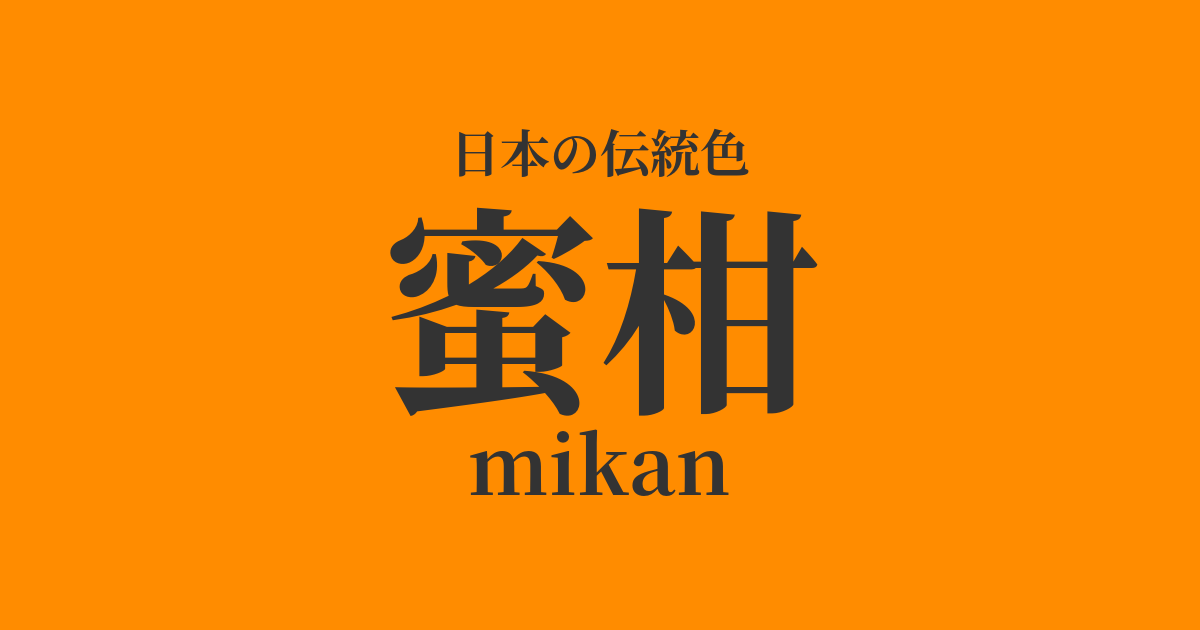
| Japanese color name | Mandarin orange |
|---|---|
| reading | mikan |
| HEX | #FF8C00 |
| RGB | 255, 140, 0 |
What is a mandarin orange? Origin and etymology
Mikan-iro (mandarin orange color), as the name suggests, is a color name derived from the ripe peel of the mandarin orange, a fruit popular in winter. It refers to a vibrant and warm orange color that gives viewers a sense of familiarity and vitality. In the past, there were similar colors such as koji-iro (citrus fruit color) and daidai-iro (orange color), but mikan-iro is more specific, and it is said to have become established as a common color name as Satsuma mandarins became popular among the common people during the Edo period.
The sweet and refreshing image of the fruit itself is strongly reflected in the impression of its color.
Historical background of mandarins
The cultivation of mandarins in Japan became widespread during the Edo period. In particular, the Kishu domain encouraged its cultivation, and mandarins became established as a winter delicacy for the common people of Edo, to the point that a legend arose that "Kinokuniya Bunzaemon transported mandarins to Edo by ship during a storm and amassed a great fortune." With this spread, the color of mandarins became a familiar color in people's lives and was favored for use in kimono patterns, obi sashes, and accessories.
It is said that ukiyo-e artists also effectively used these vibrant colors when depicting the lively daily lives of ordinary people.
Related literature, waka poetry, and seasonal words
As a fruit representative of winter, the mandarin orange is a seasonal word for winter in the world of haiku poetry. It is often found in poems depicting the lives of ordinary people in the Edo period, and is frequently portrayed as a symbol of the warmth and togetherness of a winter home. In waka poetry, the closely related tachibana orange was used in earlier poems, but the appearance of the mandarin orange itself is relatively recent. In modern literature as well, the mandarin orange often appears as an important prop that colors winter scenes.
My hands turned yellow from eating the tangerines.
Color scheme preview
This is to check the readability of the text when this color is used as the background.
Mandarin orange color scheme proposal
Indigo (#213C5C)
The vibrant orange and deep, calming indigo are almost complementary colors, enhancing each other's beauty. This combination embodies both vibrancy and serenity, creating a modern and sophisticated impression. It's an effective combination for Japanese textiles and graphic design.
Tokiwa (#007B43)
A natural color scheme reminiscent of mandarin oranges and evergreen leaves. It exudes vitality and a lively impression. The warmth of the mandarin orange and the calmness of the evergreen harmonize, creating a sense of both comfort and freshness. It's easy to incorporate into interior design and fashion.
White training (#FFFFFF)
By combining it with pure white, the vibrancy of the mandarin orange color is maximized. The resulting color scheme is full of cleanliness and brightness, and can also be expected to make the space appear larger. It is simple yet makes a strong impact and is well suited to modern designs.
Practical Scenes
In the world of kimono, mandarin orange is used in children's kimonos and in accessories such as obiage (sash ties) and obijime (sash cords) for young women, adding vibrancy and youthfulness to the outfit. It is a particularly favored color for celebratory occasions, as it creates a bright and cheerful impression.
In interior design, incorporating this color as an accent in cushion covers, rugs, and artwork brings warmth and vibrancy to the entire space. It is particularly effective in making north-facing rooms or spaces with poor sunlight appear brighter.
In web design and advertising, tangerine orange is effective for buttons and banners that you want to attract attention. Because it is a color that conveys friendliness and energy, it is used to encourage user action on food-related websites, children's services, and sales announcements.