
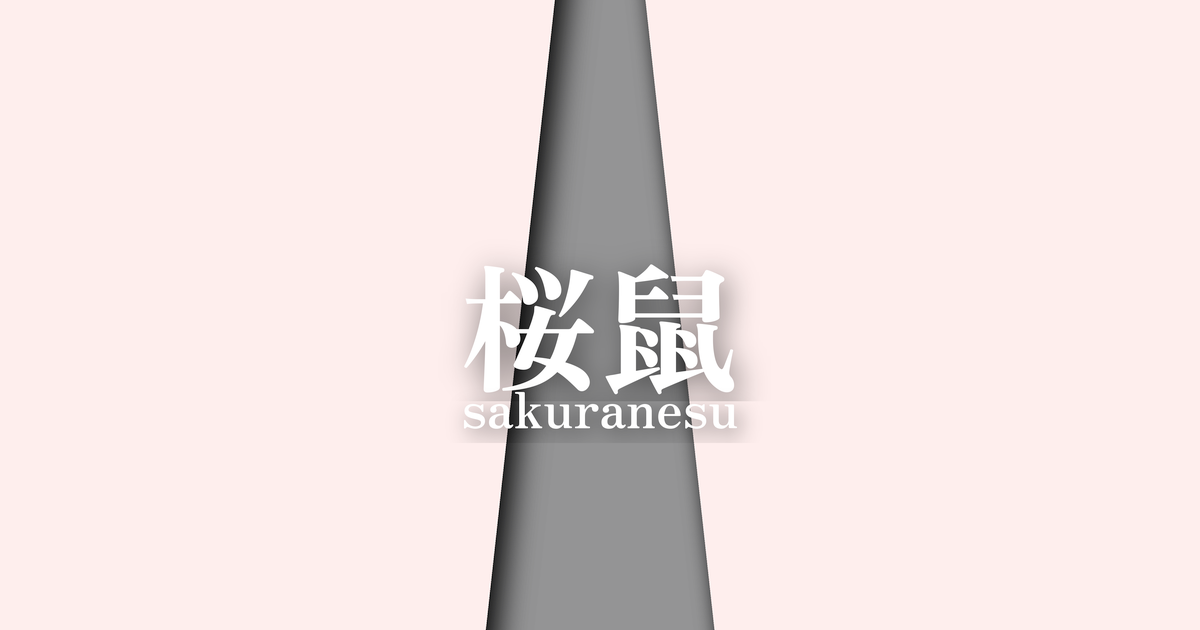
| Japanese color name | Cherry Blossom Mouse |
|---|---|
| reading | sakuranesu |
| season | Miscellaneous (year-round/celebratory) |
| Color of the table | Sakurairo (cherry blossom pink) |
| Back color | Gray (nezumiiro) |
- What is a Sakura Nezumi? Origin and Etymology
- Historical background of Sakura Nezumi
- Related literature, waka poetry, and seasonal words
- The season and scenery of cherry blossoms
- Cherry Blossom Gray Color Scheme Proposal
- Practical Scenes
- FAQ
- Color combinations for the same season (miscellaneous (year-round/celebratory))
What is a Sakura Nezumi? Origin and Etymology
Sakura-nezumi, as the name suggests, is a layered color combination of pale cherry blossom pink and calm gray. This color scheme is said to reflect the "chic" aesthetic that was particularly popular during the Edo period. At the time, partly due to sumptuary laws, understated colors such as brown and gray were favored, resulting in such a diverse range of shades that it was called "forty-eight shades of brown and one hundred shades of gray."
Sakura-nezumi (cherry blossom gray) is considered a relatively new color that emerged amidst such trends, stemming from a sophisticated sense of balancing the vibrant cherry blossom pink with an elegant gray.
Historical background of Sakura Nezumi
The color combinations used in layered clothing during the Heian period originated from the aristocratic culture of reflecting the changing seasons in clothing, but "sakura-nezumi" (cherry blossom gray) is considered to be a color combination that was established later, during the Edo period. In the mid-Edo period, as townspeople culture flourished, and against the backdrop of sumptuary laws, subdued yet refined colors became popular. Gray, in particular, was at the forefront of fashion and was combined with a variety of other colors.
It is believed that in the atmosphere of that era, the cherry blossom gray color was accepted by people as a stylish color scheme that combined vibrancy and sophistication, and was used at celebratory occasions.
Related literature, waka poetry, and seasonal words
The name "Sakura-nezumi" (cherry blossom gray) does not directly appear in classical literature from the Heian period, such as "The Tale of Genji" or "The Pillow Book." This is because this color combination is relatively new, having originated from the aesthetic sensibilities of the Edo period. However, cherry blossoms have been celebrated in waka poetry since ancient times and are a flower that forms the core of the Japanese aesthetic. On the other hand, gray is a quiet color that is also associated with the aesthetics of wabi-sabi.
One could say that the perspective on nature depicted in classical literature and the refined sense of "chic" that characterized the Edo period are fused together in this cherry blossom gray color scheme.
The season and scenery of cherry blossoms
Sakura-nezumi (cherry blossom gray) is classified as "miscellaneous" and is a color combination used year-round, not limited to a specific season. Although the name includes "sakura" (cherry blossom), giving it a strong spring impression, the combination with a calm gray creates a sophisticated color scheme that is suitable for any season. The gray elegantly tightens the joy and splendor of the arrival of spring that the pale cherry blossom pink evokes, creating a chic and urban atmosphere. For this reason, it was said that it could be worn not only for seasonal events but also for various occasions throughout the year, such as celebrations.
Cherry Blossom Gray Color Scheme Proposal
White training (#FFFFFF)
The pure and bright white harmonizes with the delicate shades of cherry blossom gray, highlighting elegance and cleanliness. It lightens the overall impression and enhances the delicate beauty of cherry blossom pink, making it effective as a background color for kimono sashes and designs.
Blue iron (#28384D)
The deep, calming indigo iron tones tighten the soft impression of cherry blossom gray, giving it an intelligent and modern feel. The contrast between sweetness and spiciness creates a sophisticated, urban color scheme, making it suitable as an accent for obi sashes and other accessories.
Light green (#A2D789)
The vibrant, fresh green color, reminiscent of young leaves, evokes images of cherry blossoms and budding leaves, creating a vibrant spring scene. This combination emphasizes the seasonal feel of cherry blossom gray, giving a more youthful and fresh impression.
Practical Scenes
In Edo period attire, this stylish color combination was likely enjoyed in the combination of outer and inner fabrics of kosode (short-sleeved kimono) and in haori (short-sleeved jackets). In modern Japanese clothing, incorporating sakura-nezumi (cherry blossom gray) into visiting kimonos, komon (small-patterned kimono), and accessories such as obiage (sash sash) and obijime (sash cord) can create an elegant and refined look. This color scheme is particularly suitable for occasions such as tea ceremonies and theater performances in early spring.
In contemporary design, the cherry blossom gray color scheme gives a gentle and calming impression, making it suitable for key colors on websites, cosmetic packaging, and Japanese confectionery packaging. In interior design, incorporating it into fabrics such as cushions and curtains can bring a sense of calm and elegant sophistication to a space.