
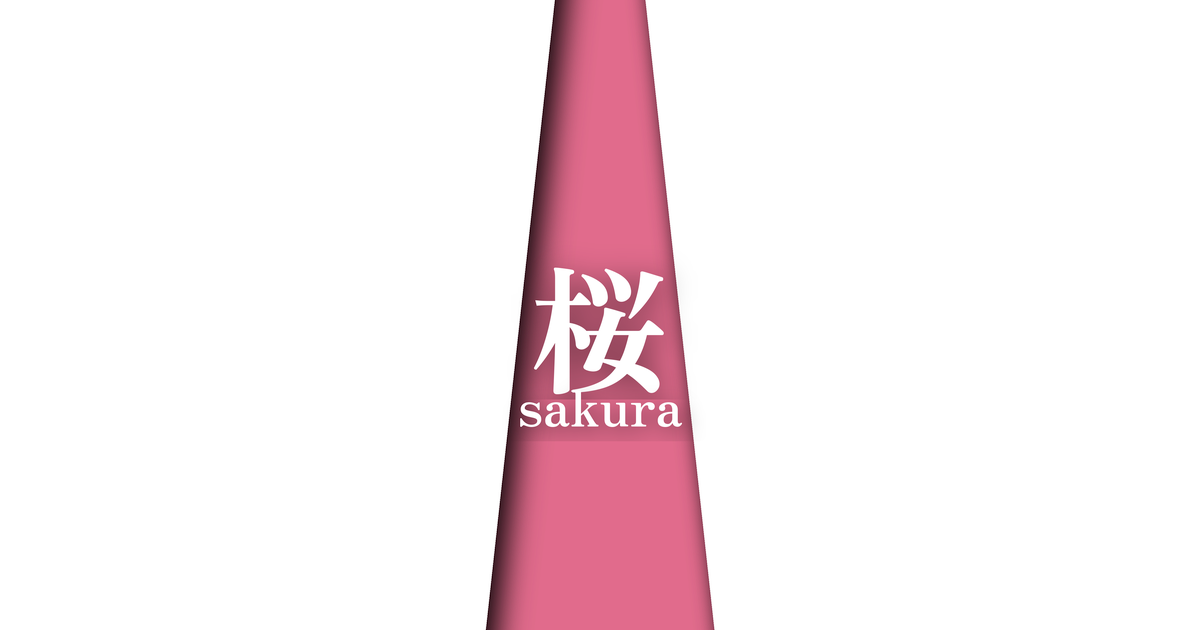
| Japanese color name | 桜 |
|---|---|
| reading | sakura |
| season | 春 |
| Color of the table | White (shiro) |
| Back color | Plum blossom color (kobaiiro) |
What is a cherry blossom? Origin and etymology
"Sakura" is a color combination derived from the cherry blossoms that bloom in spring. The white on the outside represents the petals of a fully bloomed cherry blossom, while the reddish-orange on the inside represents the reddish hue of the flower's center or the trunk of a young tree. This color scheme skillfully captures the ephemeral yet beautiful charm of cherry blossoms on clothing, revealing the delicate sensibility of the Heian aristocracy who loved nature. In particular, it evokes the image of cherry blossoms fluttering in the wind, and was widely cherished as a color symbolizing the feeling of spring.
Historical background of cherry blossoms
The concept of layered colors is a uniquely Japanese aesthetic of color that developed within the Heian period's national culture. The "cherry blossom" color scheme was particularly favored by court ladies as a representative of spring attire. It is said that this elegant color combination was used when layering multiple uchiki (a type of court lady's attire). Heian aristocrats, who were sensitive to the changing seasons, placed great importance on expressing the seasons through the colors of their clothing, and "cherry blossom" was worn at ceremonies and private banquets as a vibrant color that heralded the arrival of spring.
Related literature, waka poetry, and seasonal words
Masterpieces of Heian literature, such as "The Tale of Genji" and "The Pillow Book," richly describe the colors of seasonal clothing. The layered "cherry blossom" pattern was also depicted as part of the characters' attire, becoming an important element in expressing their refinement and aesthetic sense. For example, in the "Flower Banquet" chapter of "The Tale of Genji," there is a scene where Hikaru Genji dances at a cherry blossom banquet, and it can be imagined that the attire of the ladies-in-waiting around him was also bright and spring-like.
"Cherry blossoms" are a seasonal word for spring and have been featured in numerous Japanese poems, and their beauty has been deeply cherished in the world of literature.
On this peaceful spring day, bathed in gentle sunlight, the blossoms scatter without a moment's rest.
Cherry blossom season and scenery
The "Sakura" layered kimono, as its name suggests, was considered most appropriate to wear from early spring when cherry blossoms begin to bloom until they reach full bloom and begin to fall, that is, around February to March of the lunar calendar. The combination of white on the outside and plum-pink on the inside expresses the delicate hues of cherry blossom petals translucent in sunlight and the scenery of a cherry tree as it changes from bud to full bloom. It was worn at splendid occasions such as cherry blossom viewing parties in the imperial court and spring celebrations, and played a role in strongly impressing upon those who saw it that spring had arrived.
Cherry blossom color scheme proposal
Light green (#A5C949)
The fresh green color, reminiscent of the young leaves sprouting on cherry trees, pairs well with the "cherry blossom" color scheme. It expresses the vibrant energy of spring and gives a lively impression. The combination of cherry blossoms and willow (green) was also favored in Heian period costumes.
Violet (#7058A3)
Violet, the color of the violet flower which blooms in spring just like cherry blossoms, adds depth and tranquility to the delicate hues of cherry blossoms. It creates an elegant and refined atmosphere, making it a sophisticated combination not only for traditional Japanese clothing but also for modern designs.
Yamabuki (#F8B500)
The vibrant yellow, reminiscent of spring sunshine and the yellow kerria flowers that bloom in spring, further enhances the white and reddish-purple hues of the "Sakura" design. The resulting color scheme is both華やか (gorgeous) and dignified, making it suitable for festive occasions and celebratory designs.
Practical Scenes
The "Sakura" (cherry blossom) pattern, primarily used in the layering of women's uchigi (outer robes) during the Heian period, continues to be appreciated in various fields today. It's incorporated into kimonos, obi sashes, and Japanese accessories, and its elegant color scheme is also popular in interior design, textiles, and web design. It's particularly effective in product packaging, advertising, and event decorations where a springtime feel is desired.
The soft, gentle colors bring a sense of peace and elegance to those who see them.