
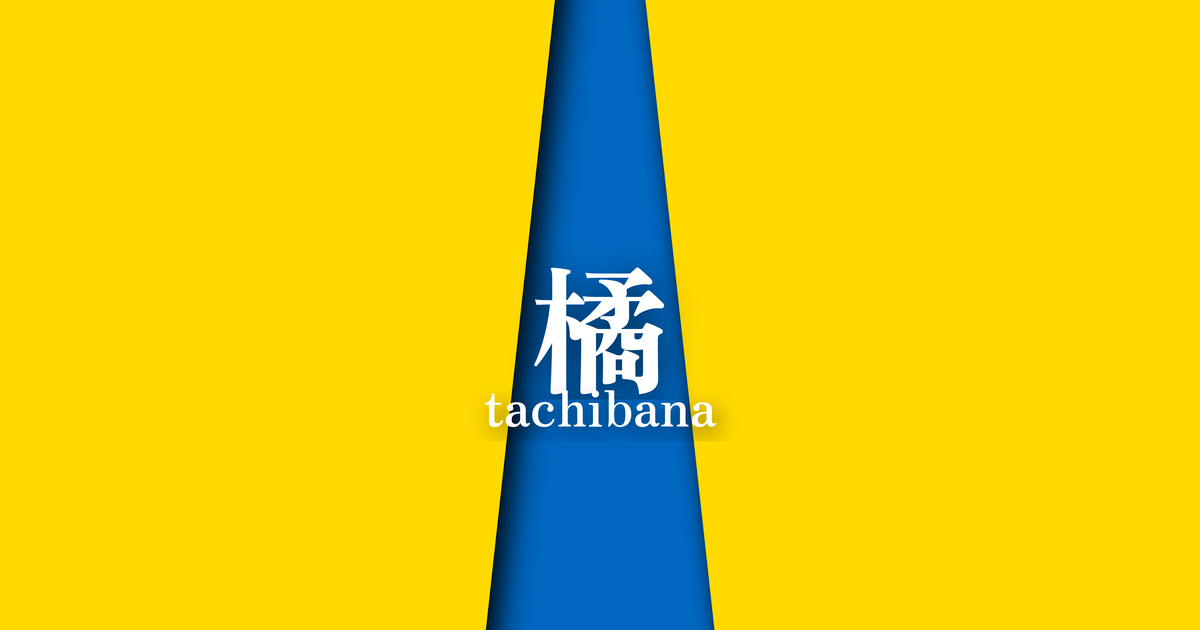
| Japanese color name | 橘 |
|---|---|
| reading | tachibana |
| season | 夏 |
| Color of the table | Yellow (ki) |
| Back color | blue (ao) |
What is a Tachibana? Origin and Etymology
The layered color combination "Tachibana" (mandarin orange) is, as the name suggests, derived from the mandarin orange plant. The mandarin orange has been growing wild in Japan since ancient times and is a beautiful evergreen tree with white flowers, green leaves, and yellow fruit. This color combination is said to represent the ripe mandarin orange fruit with the yellow on the outside and the evergreen leaves with the blue on the inside. The mandarin orange was also called "Tokijiku no Kagunokonomi" (fragrant fruit of the season) and was considered sacred as a symbol of immortality, so it is thought that this color combination, which reflects its appearance, was established as a color scheme that conveys elegance and vitality.
On the other hand, given that the "Tachibana" garment was worn in the summer, another interpretation exists. In this interpretation, since the Tachibana fruit is still green in the summer and ripens to yellow in winter, the color scheme represents the white flowers and green leaves that bloom in early summer. In this case, the yellow on the outside is interpreted as a color that symbolically represents the white flowers, or as a substitute color for white, which was a forbidden color, and the blue on the inside represents the green of the leaves. Both interpretations reflect the aesthetic sense of the Heian aristocracy, who sought to incorporate the beauty of nature into their clothing.
Historical background of Tachibana
During the Heian period, the tachibana orange tree was a favorite plant in the gardens of aristocratic residences and was cherished as a plant that heralded the changing seasons with its fragrant aroma. In particular, the scent of its white flowers that bloom in early summer captivated the hearts of people in the imperial court and was celebrated in many waka poems. Given this cultural background, it is thought that the color combinations of layers of clothing inspired by the tachibana orange naturally arose and became established as summer attire.
This color scheme was primarily used in women's clothing such as uchiki (a type of robe). It was one of the representative color combinations used to express the feeling of summer, and it is said that court ladies changed their clothes to match the arrival of the season and enjoyed the orange color. This vibrant yet elegant color scheme symbolized the refined aesthetic sense of the Heian aristocracy.
Related literature, waka poetry, and seasonal words
The "tachibana" (mandarin orange) is also deeply involved in Heian period literature. In the "Hanachirusato" chapter of "The Tale of Genji," the scent of mandarin oranges is vividly depicted when Hikaru Genji visits the residence of his former lover, Hanachirusato. The waka poem recited there, "When I smell the fragrance of the mandarin orange blossoms that bloom in May, it reminds me of the scent of my former lover's sleeves," skillfully expresses how the scent of mandarin oranges evokes feelings of nostalgia for the past, conveying the emotional worldview behind this color scheme.
Furthermore, in the section "Flowers of Trees" in "The Pillow Book," Sei Shonagon praises the beauty of the mandarin orange, writing, "The leaves are green, and the flowers bloom in very white. Moreover, the fruit is like a golden jewel, and is extremely beautiful." This description also suggests that the attractive colors of the mandarin orange were highly valued by people at that time.
When I smell the fragrance of the orange blossoms that bloom in May, it reminds me of the scent of the sleeves of people from long ago.
The season and scenery of the mandarin orange tree
"Tachibana" is a summer color combination, and it was considered most appropriate to wear it in the fifth month of the lunar calendar, which corresponds to around June in the modern calendar, when the tachibana blossoms are in full bloom. This color combination beautifully expresses the scenery of this time of year, namely the contrast between the strong sunlight of early summer and the cool shade of trees.
The vibrant yellow on the front symbolizes the tachibana fruit shining in the sunlight, or its pure white flowers, while the blue on the back evokes the deep green leaves full of vitality. This color scheme gives the viewer a sense of freshness and elegance, and also has the visual effect of bringing coolness to the hot and humid Japanese summer. It strongly reflects the traditional Japanese aesthetic of incorporating seasonal motifs into clothing.
Tachibana's color scheme proposal
White training (#FFFFFF)
The white color of the shironeri, reminiscent of the white blossoms of the tachibana orange tree, adds a sense of cleanliness and freshness to the vibrant yellow and blue color scheme. In Heian period attire, it was also used as the color of underwear, and it has the effect of creating a bright and pure overall impression.
Light green (#A9D159)
The fresh green color, reminiscent of young mandarin orange leaves, harmonizes with the blue (a substitute for green) on the reverse side, emphasizing the vibrant image of early summer. It also pairs well with yellow, resulting in a color scheme that gives an overall youthful and lively impression.
Suou (#9E3D3D)
The vibrant orange hue is combined with a deep madder red, creating a refined and dignified impression. In Heian period attire, this color was used as a noble color, adding a sense of calm and gravitas to the splendor.
Practical Scenes
During the Heian period, the "tachibana" (mandarin orange) color combination was primarily used in women's summer attire, especially in the uchiki (a type of kimono). It is believed to have been worn widely, from everyday occasions to private gatherings at the imperial court, as an attire that heralded the arrival of the season. For the Heian aristocracy, who highly valued a sense of the seasons, it was an indispensable color scheme.
In modern times, this traditional color scheme is being utilized in the world of kimono. Incorporating the "tachibana" (mandarin orange) color scheme into accessories such as obi (sash), obi-jime (sash cord), and obi-age (sash scarf) for summer kimono and yukata creates a stylish and seasonal look. It can also be applied to Japanese-style designs, interiors, and website color schemes, creating a refreshing and elegant atmosphere.