
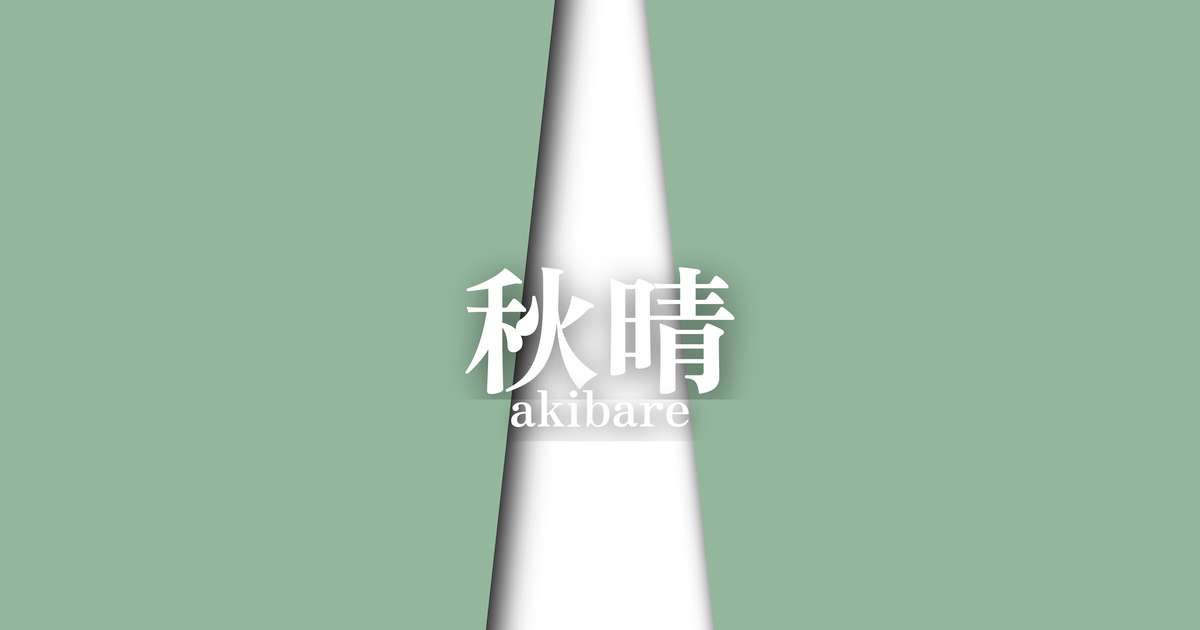
| Japanese color name | Autumn weather |
|---|---|
| reading | akibare |
| season | 秋 |
| Color of the table | light blue (usuao) |
| Back color | White (shiro) |
What is "Akibare" (autumn clear weather)? Origin and etymology.
Akibare, as its name suggests, is a color combination for layered kimono that expresses the clear, sunny skies of autumn. The light blue used on the outer layer is said to represent the color of a high, clear autumn sky. The white on the inner layer is thought to symbolize the white clouds floating in the sky and the refreshing sunlight pouring down. This color scheme is an expression of the aesthetic sense of the Heian period aristocrats who captured familiar natural scenes with a delicate sense of color and incorporated them into their clothing, and it strongly reflects the culture of enjoying the changing seasons through clothing.
Historical background of clear autumn weather
The culture of layered color combinations is believed to have been established in the mid-Heian period as Japanese culture matured. The "Akibare" color scheme is one such example, thought to have been devised to express the feeling of autumn. It is presumed that this attire was mainly worn from September to October, in accordance with the refreshing autumn weather.
In both official court settings and private gatherings, it was considered a sign of refinement to anticipate the seasons or dress appropriately for the time of year. Therefore, these colors that mimicked the hues of nature played an important role in aristocratic society.
Related literature, waka poetry, and seasonal words
The word "akibare" (autumn clear sky) is used as a seasonal word for autumn in haiku poetry, evoking the image of a clear autumn sky. While there are not many instances in Heian period literature where the color name "akibare" appears directly, the beauty of the autumn sky was a keen object of observation for the aristocracy, as exemplified by the section "Autumn is Twilight" in The Pillow Book. They perceived the changing seasons from the color of the sky and the appearance of the clouds, composed waka poems about it, and reflected it in the colors of their clothing.
The autumn sunshine color scheme can be said to have originated from an aesthetic sense deeply connected to such literary sensibilities.
Autumn season and scenery
"Akibare" (autumn sunshine) is a color scheme worn during the autumn season, from September to October. This color combination represents the clear, crisp autumn sky after the summer humidity has dissipated. The light blue on the outside evokes the endless blue sky, while the white on the inside suggests the cirrus clouds floating in it and the sparkling sunlight. It embodied the refined way of Heian-era aristocrats who enjoyed the beauty of the season by wearing it as attire for autumn events such as the Chrysanthemum Festival or when going out to see the autumn leaves in the fields and mountains.
Color scheme suggestions for a clear autumn day
Kutsuha color (#915E33)
The clear blue of the autumn sky and the deep, withered color of the autumn leaves form a quintessential autumn color scheme. They complement each other, creating a harmonious blend that evokes a strong sense of the season.
White chrysanthemum (#F3F3F3)
The refreshing blue of a clear autumn day and the pure white of white chrysanthemums create a dignified and elegant impression. This color scheme has a clear and refreshing atmosphere, making it suitable for autumn events where chrysanthemums are revered, such as the Chrysanthemum Festival.
Dark color (#4D2649)
The combination of a light blue, representing the clear autumn sky, and a noble, deep, rich color (purple) creates a sense of calm and elegance. This color scheme, also seen in the attire of Heian period aristocrats, evokes a refined atmosphere.
Practical Scenes
In traditional Japanese clothing, the "autumn clear blue" color scheme was highly valued for its ability to accurately express the feeling of autumn. Even in modern Japanese attire, incorporating this combination into kimonos, obi sashes, and accessories can create a refreshing and sophisticated impression. It is particularly suitable for tea ceremonies and lessons held from early to mid-autumn, when the lingering summer heat still remains.
In interior and product design, the combination of light blue and white creates a sense of cleanliness and openness. Incorporating it into wallpaper and fabrics in living rooms and studies can create a calm and peaceful space. In web design, it's also an effective color scheme for corporate websites that want to convey trustworthiness and integrity.