
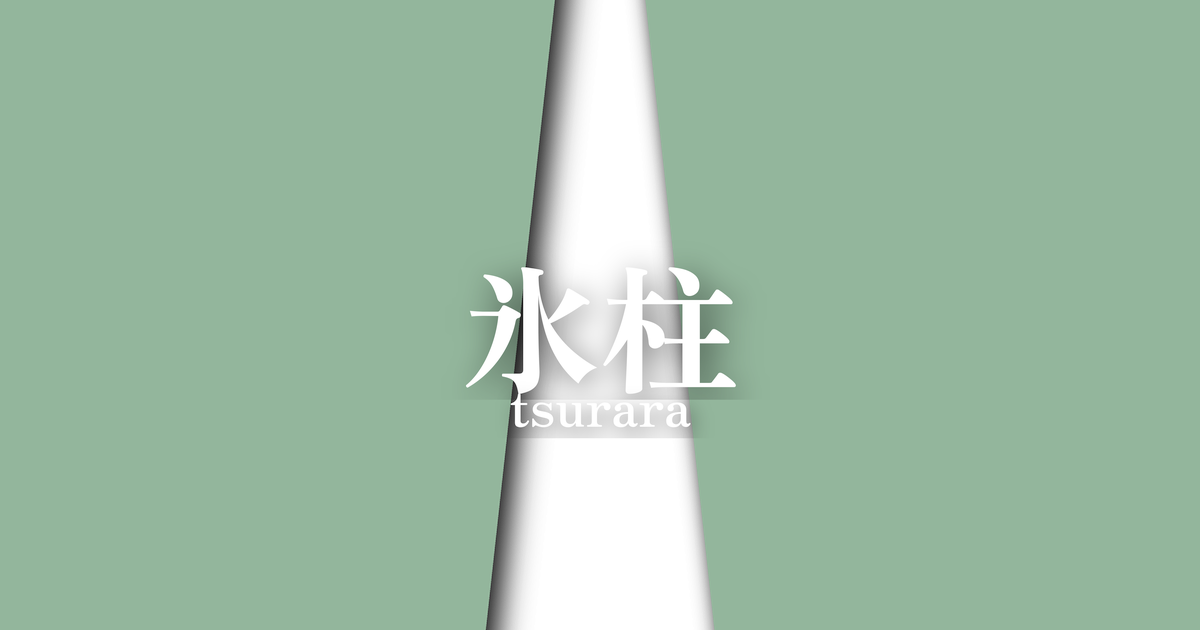
| Japanese color name | icicle |
|---|---|
| reading | tsurara |
| season | 冬 |
| Color of the table | light blue (usuao) |
| Back color | White (shiro) |
What are icicles? Origin and etymology
The icicle (tsurara) color scheme, as its name suggests, represents the pillars of ice hanging from eaves and other places in the winter cold. The light blue on the front is said to symbolize the way ice appears pale blue when it catches the light, and the color reflecting the clear winter air. The white on the back represents the transparency of the ice itself and the whiteness of the snow piled up around it. This combination of two colors skillfully expresses the harsh yet pure natural scenery of winter, giving the viewer a serene and dignified impression.
Historical background of icicles
The layered color combinations were a manifestation of the refined aesthetic sense among the Heian period aristocracy, stemming from a culture of enjoying the changing seasons through clothing. The icicle-color combinations are one example, thought to have been used to express the feeling of winter. Such delicate color combinations were particularly important in the layering of uchiki, the court ladies' attire.
Although there are not many specific records of people wearing this garment, this color scheme, which reflects a winter scene, conveys to the present day the view of nature and aesthetic sensibilities of the people of that time.
Related literature, waka poetry, and seasonal words
While it is difficult to pinpoint specific classical literary works that directly use the color name "icicle," Heian period literature contains numerous passages that celebrate winter scenes, particularly the beauty of ice and snow. In the famous "In winter, early morning" section of The Pillow Book, the whiteness of snow and frost is described, along with the line, "It is very cold, so we hastily light a fire," conveying the beauty found amidst the harsh cold.
The colors of icicles can be interpreted as embodying, in terms of color, the serene and dignified aesthetic of winter depicted in these literary works.
Just as we wait for them to melt and regenerate, spring begins to arrive, and the icicles on the eaves begin to appear.
The season and scenery of icicles
The icicle color scheme is worn during the coldest part of winter, specifically from December to February. This color combination evokes the harsh yet beautiful natural scenery of winter, such as icicles hanging from eaves, frozen water surfaces, and quiet landscapes covered in freshly fallen snow. The combination of light blue and white suggests a cold, clear feeling in the air and the transparency of ice sparkling as it reflects light.
It is thought that this attire was used in winter ceremonies and private gatherings as a way to subtly express the feeling of the season.
Suggested color scheme for icicles
Silver mouse (#AFAFAF)
This color scheme further enhances the cold, clear impression of icicles. The silver-gray, also evoking a winter scene, expresses the hardness of the ice and the stillness of a cloudy sky, creating a minimalist and sophisticated overall feel. This combination is easily applicable to modern designs as well.
Plum blossom color (#E16B8C)
This color scheme evokes the signs of spring amidst the harshness of winter. The addition of warm, plum-pink accents to the cool tones of icicles creates a sense of vitality and warmth. It evokes a narrative quality, and incorporating it into kimonos and traditional Japanese accessories enhances their elegance.
Dark blue (#00113A)
A majestic color scheme reminiscent of a tranquil winter night. The light blue and white of icicles are enhanced by the deep, rich indigo, creating a beautiful contrast. It gives an impression of calmness and dignity, making it suitable for formal occasions and sophisticated designs.
Practical Scenes
Traditionally, the icicle pattern was used as a layering technique in the uchigi, a type of court lady's attire from the Heian period, to express the feeling of winter. In modern Japanese clothing, incorporating the icicle pattern into kimonos, obi sashes, and accessories such as obiage and obijime can create a stylish winter look. In particular, combining it with snowflake patterns creates an even more evocative and picturesque outfit.
Beyond traditional Japanese clothing, this color scheme can bring a sense of coolness and tranquility to interior design. In websites and graphic design, it creates a clean and sophisticated impression, making it suitable for minimalist designs and winter-themed content. It's an effective color scheme for creating a dignified atmosphere.