
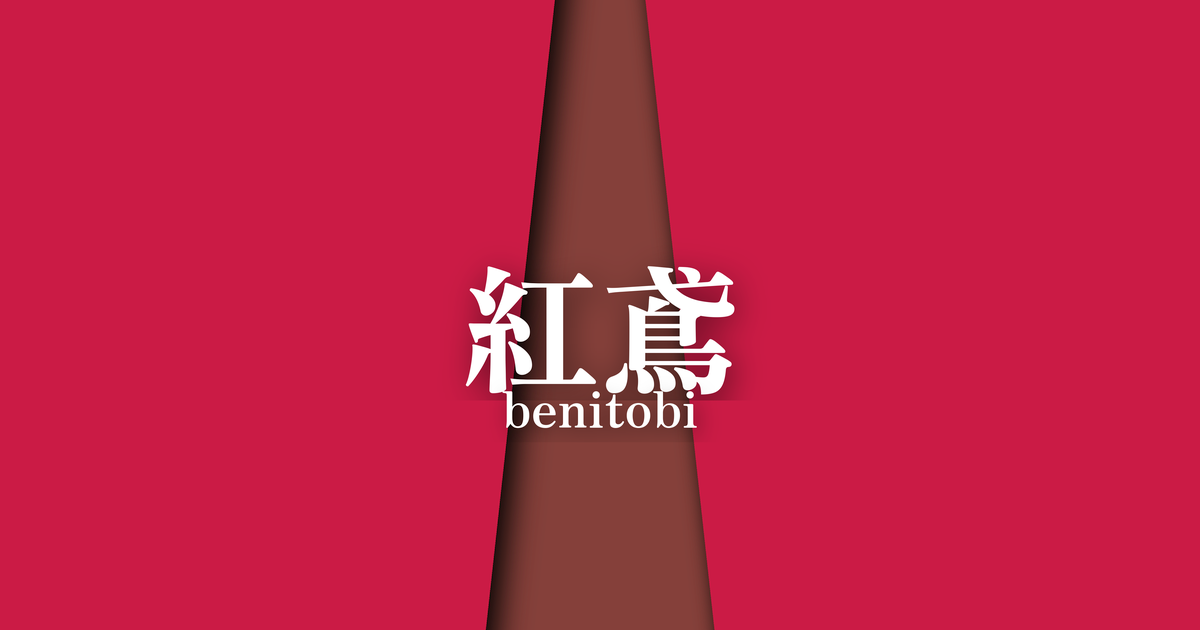
| Japanese color name | Red kite |
|---|---|
| reading | benitobi |
| season | Miscellaneous (year-round/celebratory) |
| Color of the table | Beni (beni) |
| Back color | Tobiiro (dark brown) |
- What is a red kite? Origin and etymology
- Historical background of the red kite
- Related literature, waka poetry, and seasonal words
- The season and scenery of red kites
- Suggested color scheme for Beni-tobi (red kite)
- Practical Scenes
- FAQ
- Color combinations for the same season (miscellaneous (year-round/celebratory))
What is a red kite? Origin and etymology
Benitobi, as its name suggests, is a layered color combination that combines two colors: "beni" (crimson) on the outside and "tobiiro" (tobi-color) on the inside. Beni is a vivid red dyed with safflower and has long been revered as a color symbolizing celebrations and auspicious occasions. Tobiiro, on the other hand, is a reddish-dark brown derived from the color of the feathers of the tobi (kite), a bird of prey, and is a color that conveys strength and composure.
By combining these two contrasting colors, a sense of sophistication and depth is added to the vibrancy, expressing a refined aesthetic.
Historical background of the red kite
In the court society of the Heian period, a culture of "kasane no irome" (layered colors) flourished, expressing the changing seasons and natural scenery through the color schemes of clothing. "Beni-tobi" (crimson and brown) is classified as a "miscellaneous" layered color not limited to a specific season, and is thought to have been worn mainly for celebratory ceremonies and auspicious occasions. The combination of the splendor of crimson and the calmness of brown made it an appropriate attire for occasions where formality and dignity were required.
Although there are few specific mentions in historical documents, the combination of crimson, a color associated with celebrations, and russet brown, a color favored by samurai families, is one of the color schemes that has influenced later generations.
Related literature, waka poetry, and seasonal words
While no classical literary works have been found that directly use the color combination name "Beni-tobi" (crimson and reddish-brown), the constituent colors "beni" (crimson) and "tobi-iro" (reddish-brown) are frequently depicted in literary works. For example, in "The Tale of Genji," reddish-brown colors such as "koubai" (red plum) and "sue" (reddish-brown) are vividly depicted in the clothing of Hikaru Genji and the ladies, symbolizing beauty and high social status.
On the other hand, the dark brown color was popular during the Edo period and is rarely mentioned directly in Heian period literature, but it is thought that similar dark brown shades were used to express a calm and composed atmosphere.
The season and scenery of red kites
"Benitobi" (crimson and brown) is not a color that represents a specific season, but is classified as "miscellaneous," meaning it could be worn throughout the year. In particular, because it uses "crimson," a color associated with celebrations, it was favored for auspicious occasions such as celebratory ceremonies and other joyous events. The vibrant crimson on the outside expresses joy and splendor, while the subdued brown on the inside tightens it, adding dignity and a sense of gravitas. This color scheme does not directly reflect a natural landscape, but rather has strong ceremonial significance.
Even today, this sense of color is still relevant to the attire worn on special occasions, such as wedding kimonos and celebratory garments.
Suggested color scheme for Beni-tobi (red kite)
Light green (#A9D157)
By combining crimson with a light green, which is close to its complementary color, the two colors stand out vividly. The youthful vitality of the light green further enhances the celebratory atmosphere of the crimson, resulting in a cheerful and bright color scheme.
Golden (#E6B422)
By adding gold, another auspicious color, to the reddish-brown used at celebratory occasions, an even greater sense of luxury and elegance is created. It is suitable for use in patterns on clothing, obi sashes, and as an accent in modern graphic design.
White training (#FEFDF9)
By pairing it with pure white, the vibrancy and depth of the crimson red stand out, creating a refined overall impression. The contrast between red and white is the most basic celebratory color scheme in Japan, creating a pure and dignified atmosphere.
Practical Scenes
The "crimson and reddish-brown" color scheme is still used in modern kimono for celebratory occasions. It can be seen particularly in wedding attire such as uchikake, furisode for coming-of-age ceremonies, and visiting kimono for celebratory parties. By incorporating this color scheme into accessories such as obi, obi-jime, and kasane-eri, it is possible to add depth and splendor to traditional celebratory attire.
Beyond kimonos, this color scheme can be applied to various aspects of modern design. In interior design, using it in accent walls, cushions, or noren (traditional Japanese curtains) can create a sophisticated and modern Japanese atmosphere. Furthermore, using it as a key color in website or product packaging design can evoke a sense of traditional Japanese beauty while building a strong and memorable brand image.